

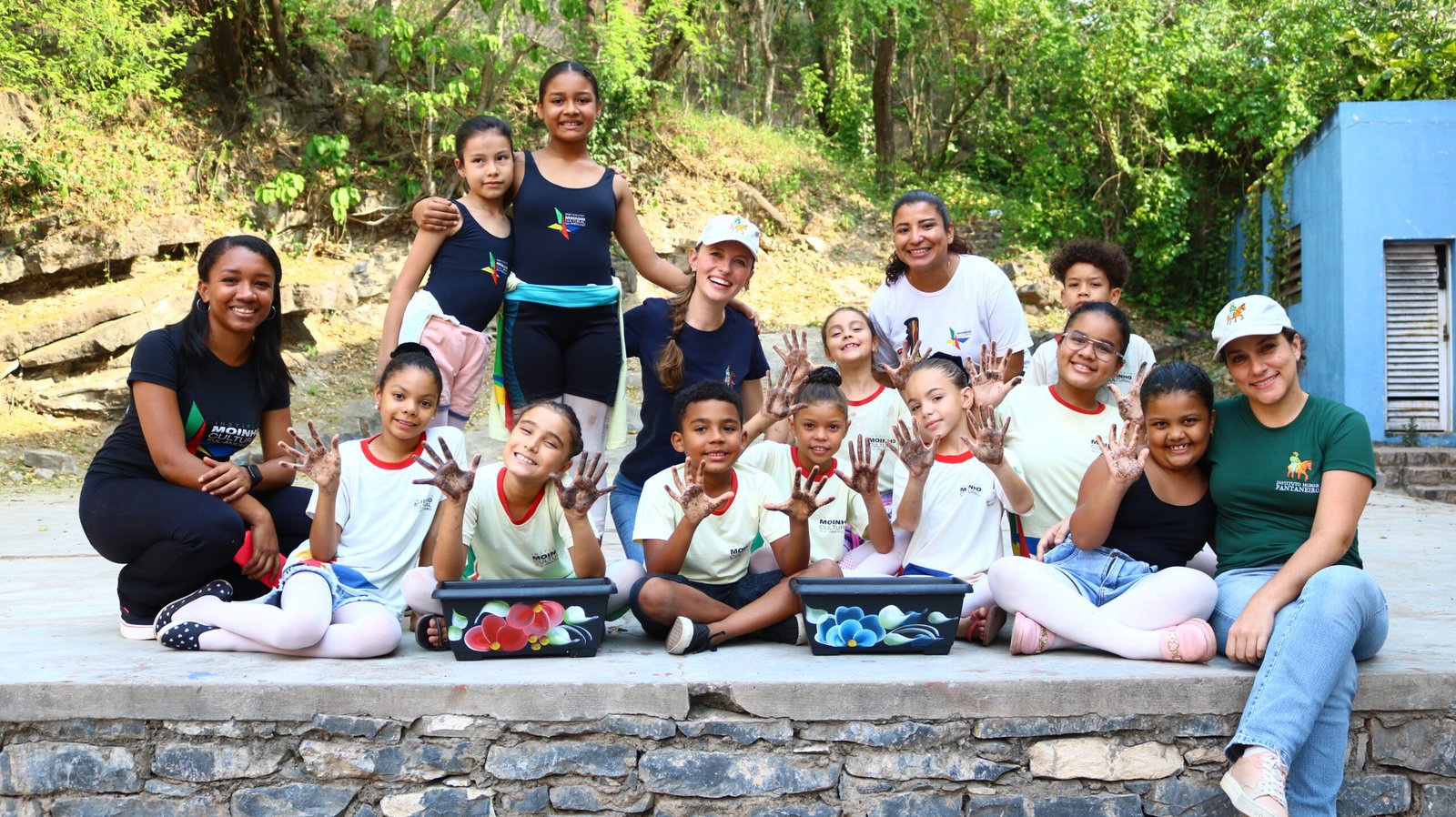
Territorial Engagement

Where the foundation of the comprehensive education of interpreter-creators takes place, strengthening and coordinating its effects across the territory. It encompasses Moinho Cultural’s educational work, repositioning its educational frameworks (currently more focused on teaching technical skills for interpretation) by incorporating an emphasis on learning, principles of education for human development, creative autonomy and participatory action-research processes. By training a statistically significant contingent of interpreter-creators in the region, the IMC triggers processes and generates socio-economic transformation effects, which begin in Moinho’s interaction with participants and families, and theirs with their social circles (with emphasis on intercultural coexistence among Brazilian and Bolivian participants, and between them and Cuban, Bolivian and Venezuelan collaborators).

To operate, Moinho also drives socio-economic movements that end up influencing the local scene. In Corumbá’s port area, for example, Moinho’s strong presence is clearly evident.

Social Unit

The IMC Social Unit carries out permanent, ongoing initiatives with participants’ families in order to strengthen their protective, preventive and proactive role, preventing the rupture of family bonds and drawing on the resources available in the social assistance network, with the aim of promoting awareness of established rights and family and social inclusion.

Thematic Group

Every week we meet in groups to give children and adolescents the opportunity to gain knowledge on topics related to ethical and moral values and current affairs, fostering the development of autonomy in decision-making and the building of healthy, objective relationships, thus understanding children and adolescents as subjects of rights and beings in full development. The topics are based on UNESCO's four pillars: Learning to Know, Learning to Be, Learning to Do and Learning to Live Together. To help absorb each topic, we use playful activities such as circle songs, treasure hunts and puzzles, debates, among others (according to the age group).
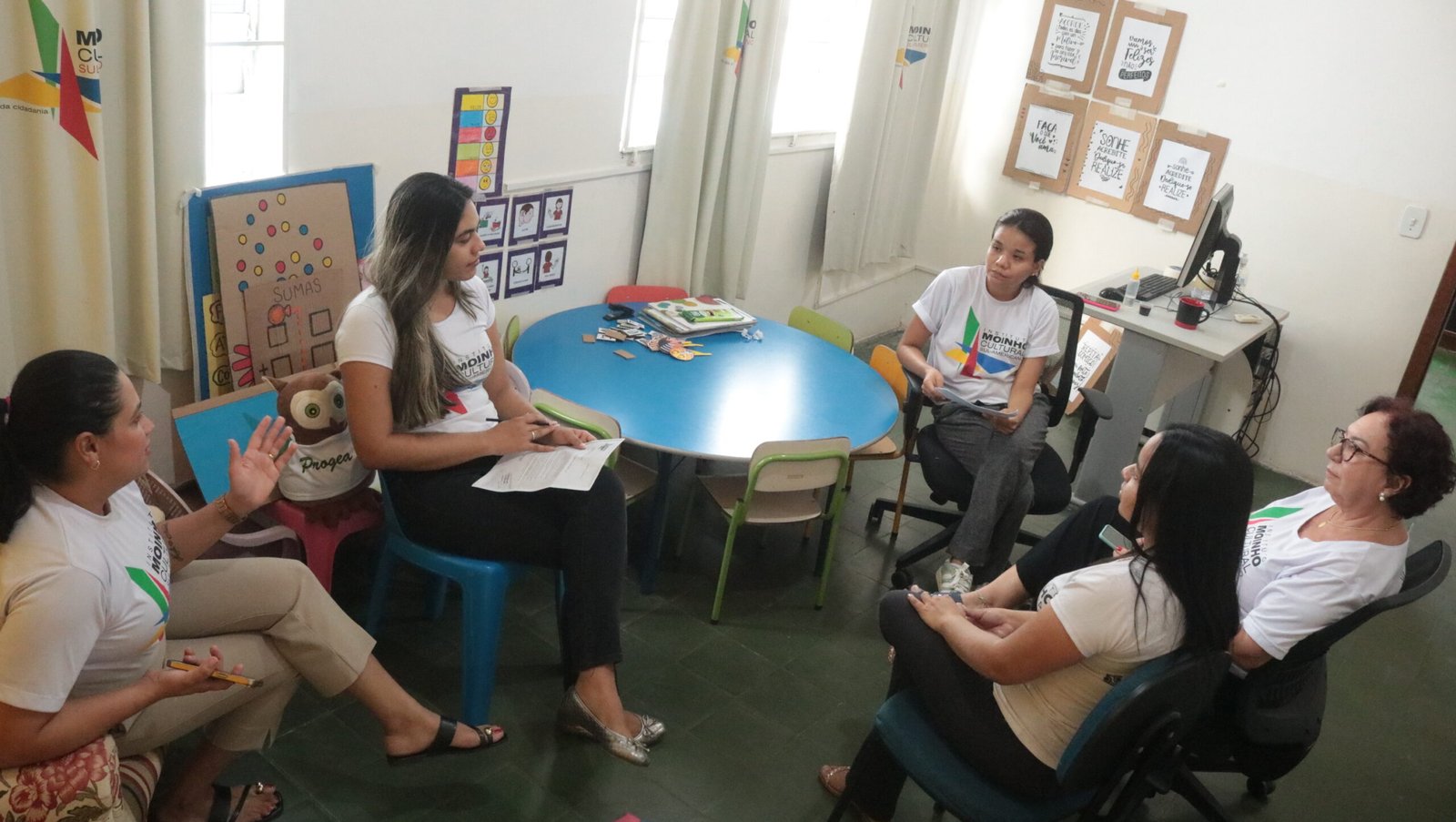
Cross-sector Work

Social Assistance Network: an initiative that seeks to provide comprehensive care for rights-holders. In this way, we share knowledge and shared social experiences. Moinho Cultural provides a Basic Social Protection Service (as classified under the Social Assistance Services framework), and cross-sector work must be built and strengthened as a collective process, especially with the community, in order to meet the needs found in each reality.
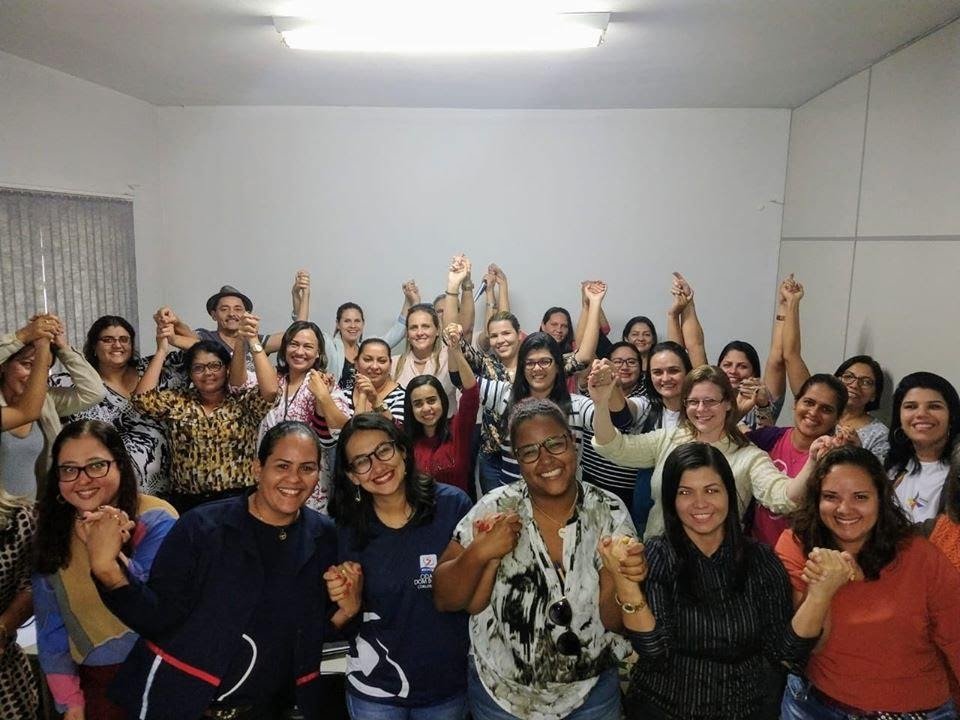
Social involvement

These are moments of extreme importance for fostering politically aware individuals who understand how social relations work. The May 18 Campaign – National Day to Combat the Sexual Abuse and Exploitation of Children and Adolescents, "to forget is to allow, to remember is to fight" was an opportunity for them to gain knowledge and to become involved in a social cause.
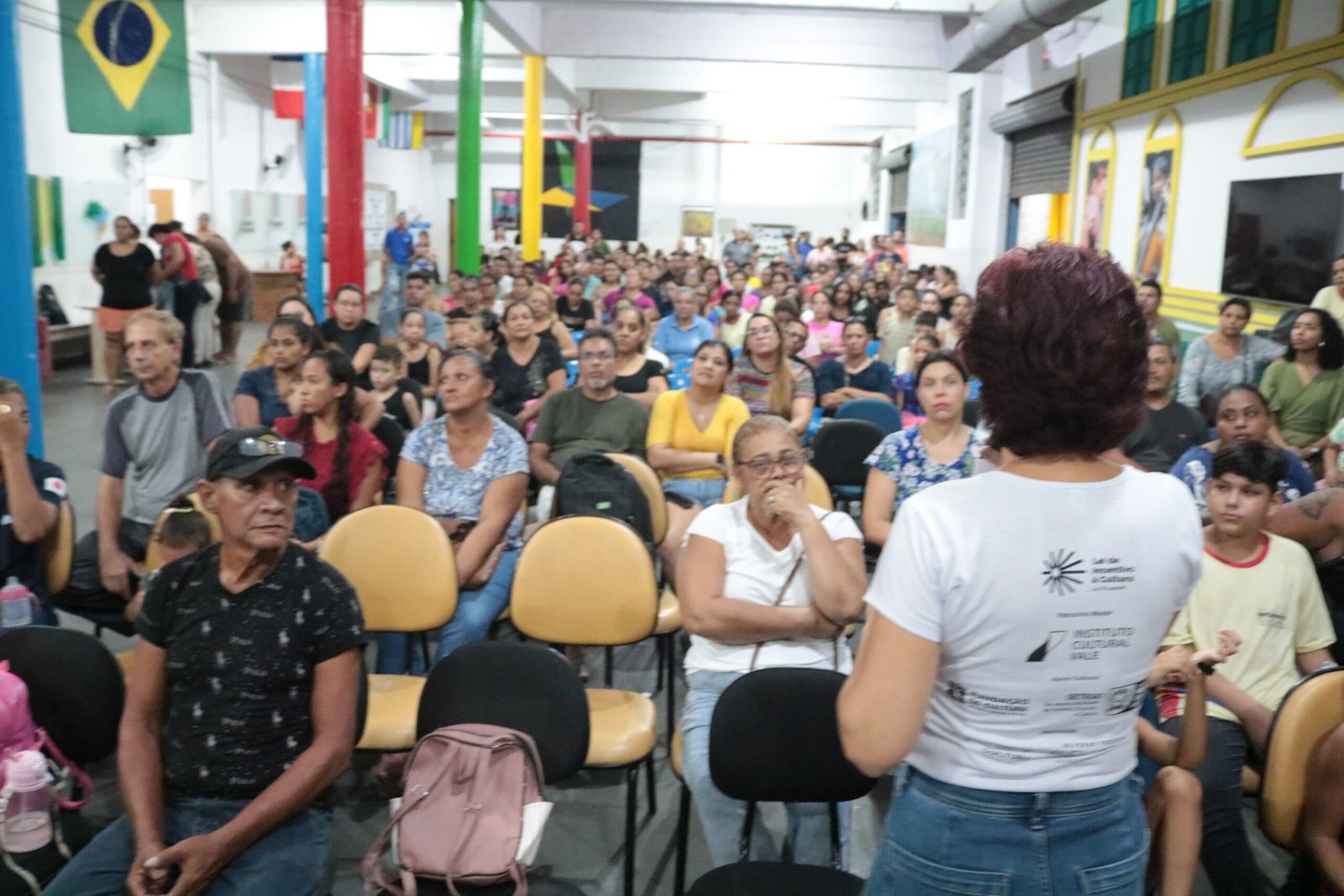
Parents/Guardians Meeting

Every month we hold a scheduled meeting with the participants' parents or guardians. As needed, we call specific groups or collective meetings. This moment is necessary to secure the guardians' support for the smooth running of daily activities. Over the years, we have noticed that participants become more motivated when they see that their parents and/or guardians are present in the project.
Pedagogical Action

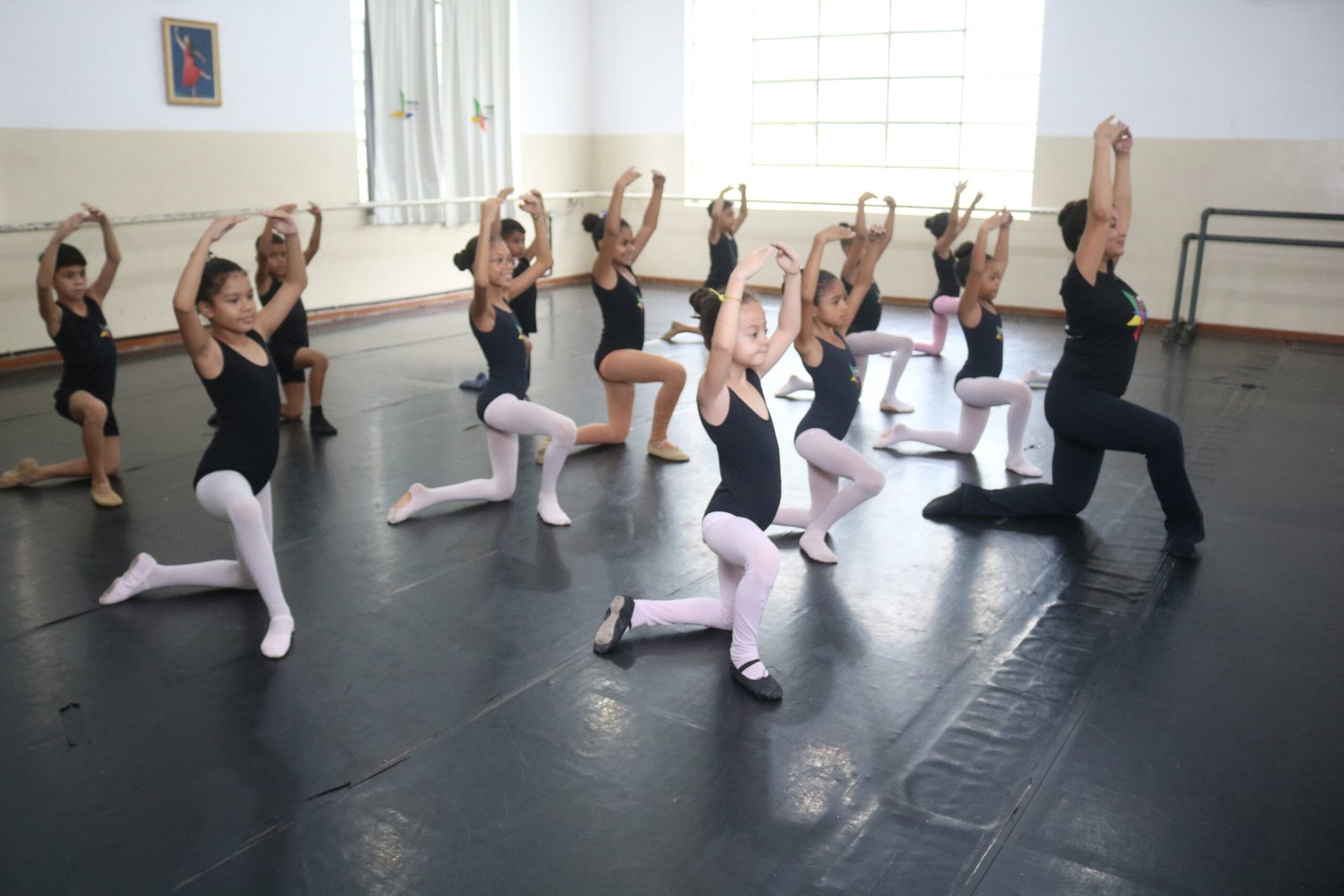
The activities offered to participants are organized into groups with different technical levels, and each of these groups has a schedule of 20 hours per week, equivalent to that of the regular school. Children and adolescents remain at the institution for a minimum period of eight years, and in the first two years (Basic I and II) they take part in technology, music and dance activities alike. From the second year on, they choose one of the three areas (dance-music-technology) and continue through the learning levels: Basic III – Intermediate I – II and Advanced I and II.

Selection Process

Every year, Moinho Cultural opens spots for new participants. As a requirement to join the project, the child must belong to a family with an income of no more than three minimum wages and be enrolled in regular school. In addition, applicants undergo assessments that check their artistic interests and abilities. Demand always exceeds the number of spots, as the project’s priority is to maintain the high standard of quality in the young people’s technical training.

Activities

Every year, Moinho Cultural opens spots for new participants. As a requirement to join the project, the child must belong to a family with an income of no more than three minimum wages and be enrolled in regular school. In addition, applicants undergo assessments that check their artistic interests and abilities. Demand always exceeds the number of spots, as the project’s priority is to maintain the high standard of quality in the young people’s technical training.

Dance

Classical ballet - Contemporary dance - Regional dance - Art history
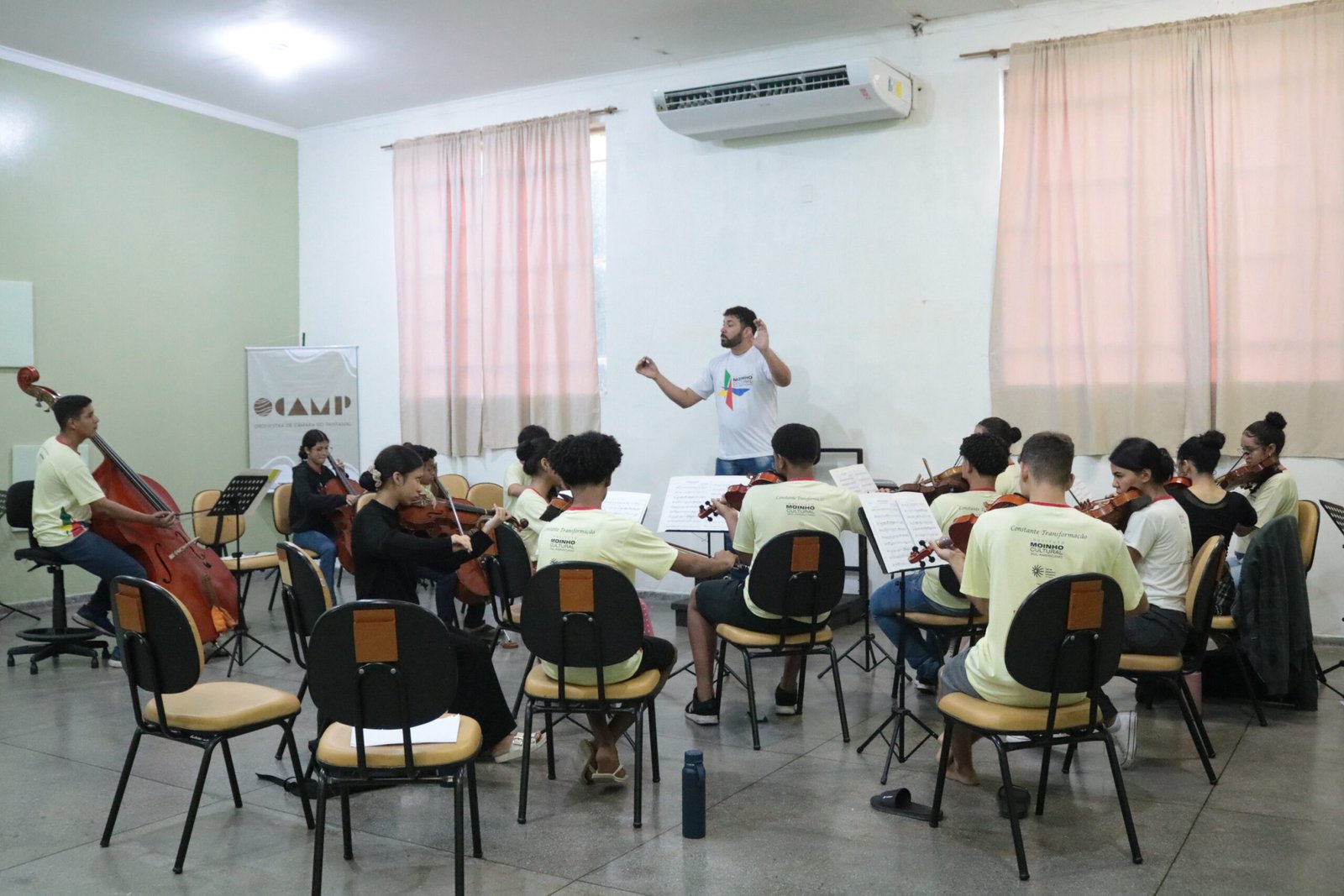
Music

Theory (musicalization – musicality) - Brazilian popular music - Regional music - Art history - Choir and Instrument Practice: piano - guitar - viola de cocho - viola caipira - electric guitar - Strings (violin - viola - cello - double bass) - Brass (French horn - trumpet - trombone - baritone) - Woodwinds (flute - clarinet and saxophone) and classical and contemporary percussion