

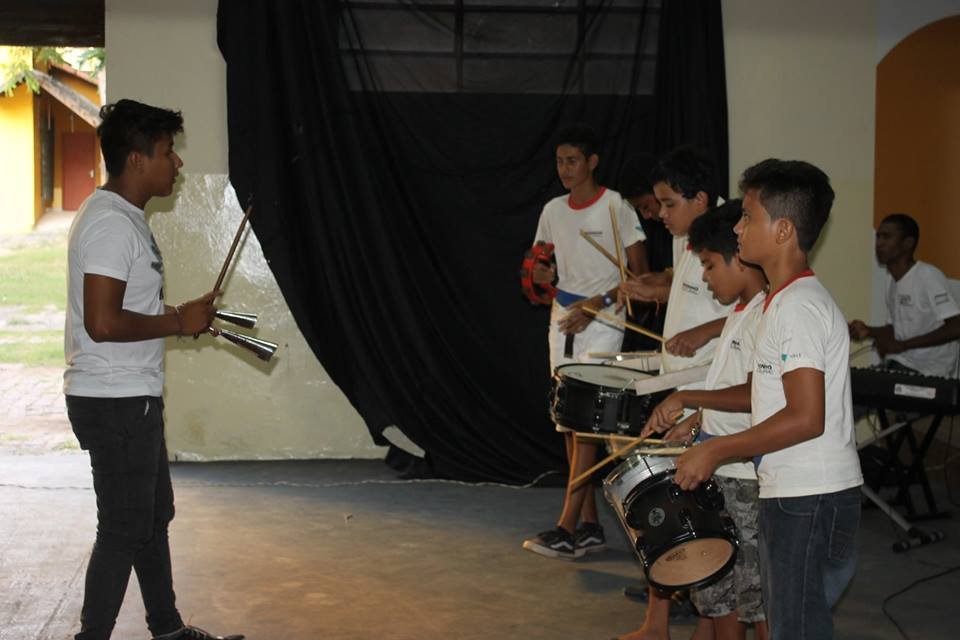
“This project changed my life so much and gave me a huge vision of the future. Moinho became a second home for me. I joined Moinho because of my parents, who worked there, and over time I dedicated myself more to music, always giving my best. After 10 years at Moinho as a student, I had the opportunity that changed my life: I became a music teacher. I thank everyone at Moinho for giving me this opportunity. Thank you, Beto, Mônica, Márcia Rolon and Colonel Rabelo. Thank you from the heart, Moinho!”
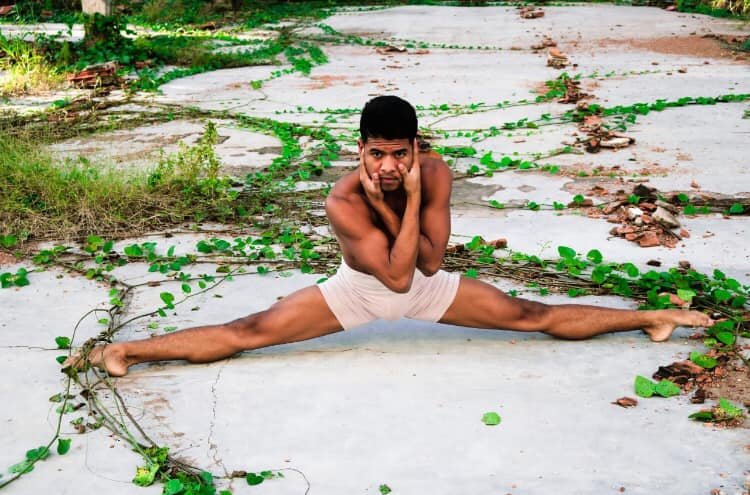
“My name is Kauan a Cunha Coelho, I’m 17 years old, a dancer and a lifelong learner. I’m a humble boy who came from the countryside of Mato Grosso do Sul to live in a big city called Belo Horizonte. In my life, I’ve lived through many adventures since I was little — at 10 years old I began enjoying a magnificent kind of knowledge: dance, which gave me the pleasure of living life fully. The place that gave me this knowledge was the Moinho Cultural Sul-Americano (South American Cultural Mill), a social project dedicated to the importance of young people experiencing art and culture from an early age. I was one of the many swept up by this “wave” of knowledge and learning in life. Today I’m 17 years old, practically finishing my training in classical dance and growing more and more through an awakening of interest that began in my childhood, when I lived in a small town in the interior of Mato Grosso do Sul. Today I can say I’ve achieved many things in life! But I can never forget a motto I carry with me everywhere I go: “Discipline, respect and responsibility.” It’s the motto of the Moinho Cultural Sul-Americano social project, my home and my inspiration on the path I walk today, and I intend to go much further still. If today I am who I am, it’s thanks to my own effort to learn and to become someone in life. But I can never leave my Moinho family behind.”
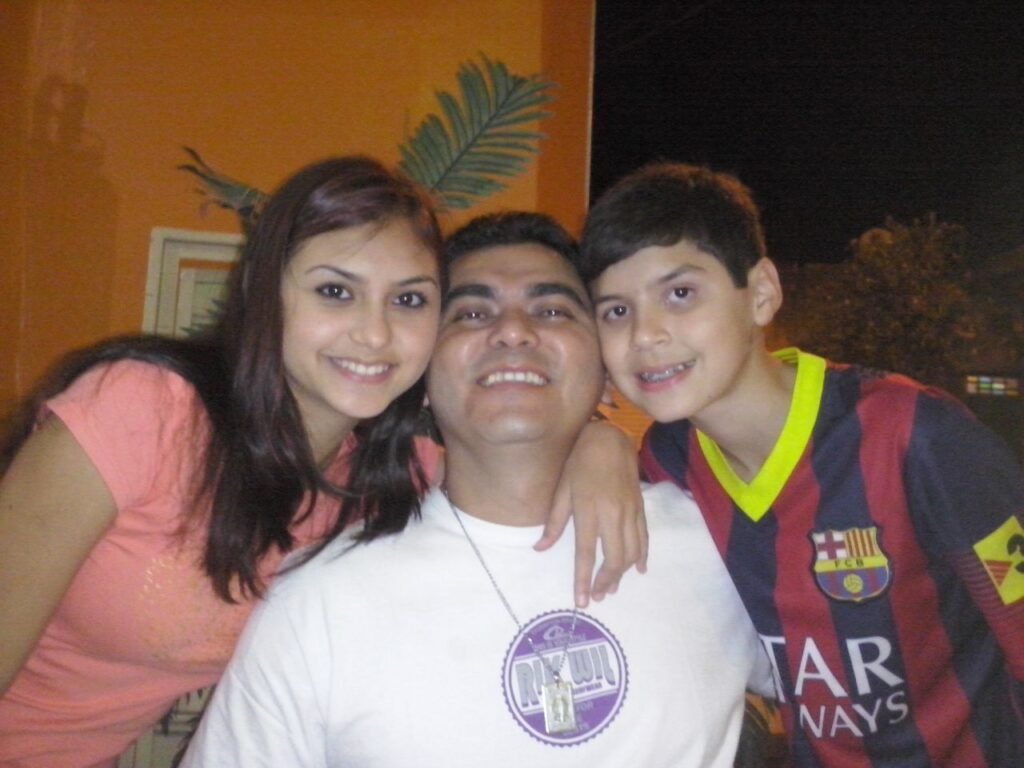
Dear Staff,
Gratitude is the feeling that overtakes me and moves me to write this letter, to say how important the work done by all of you has been and continues to be — without exception, from the most junior staff member to the highest position in this organization — given the significant results you bring to the lives of the hundreds of children who pass through here and, consequently, to the lives of their families.
I say this with the authority of someone who has had two living examples of this important work in my own home: Glória Maria Maciel Cristaldo and Alex da Silva Cristaldo Filho. And to think that when I enrolled them for the selection process, we were going through a very difficult time in our lives (a separation at the end of 2011), and they came to live with me in 2012. Honestly, I didn’t know exactly what to do — I just wanted to find something for them to do, to occupy their time, since the situation was new for all of us, and although I had always taken part in raising them, I had never done it on my own before. We went to live with my parents in Ladário from then on.
And it worked out right from the first try, because by the grace of God both of them were selected in 2012. Glória was about to turn 11 and Alex Filho was almost 9. And then came the questions: what would they do? What would they become? Would they like it? I knew nothing about any of it, but time went by and, like true chameleons, they adapted, showing me what they were capable of and teaching me a great deal, giving me real strength. Of course I supported them! They didn’t know it, but they helped and took care of me more than I did of them.
They finished that first year and happily confirmed they would continue the next one. Also in that first year, the Moinho (Moinho Cultural Sul-Americano, or South American Cultural Mill) began to shape my two precious gems: Glória in Dance — since she already had a natural gift for it — and Alex Filho, surprisingly, in music, since I would never have noticed that pull in him toward that area; in the first few months he started on guitar, moved through percussion, and eventually settled on the clarinet.
Both of them progressed a great deal, in art and in the “art of life,” because I also recognize that the Moinho guides and encourages children for life in society, for building good citizens.
Then came the Moinho In Concert shows of 2012, 2013 and 2014, where I always told them they were/are my artists, my celebrities. In short, through the Moinho Cultural, they are the embodiment of my own childhood longings, since I always wanted to learn/develop some kind of art — music, for example — but in my day there was little or nothing of the sort in our city.
Finally, at the end of 2014, their mother asked that they come to live with her, since they had already been with me for three years, and they decided to accept — initially for a period of one year, that is, this year of 2015.
So I have nothing but congratulations and thanks for the whole “Moinho Cultural Sul-Americano Family,” for the partners and sponsors of this project, for everything it has accomplished so far in the lives of my children and so many other children — and which will surely go on for a long time in our city, positively changing the lives of thousands of children and their families. I even recommend it to my colleagues who have children, and I stand fully behind it.
In particular, I want to acknowledge Márcia Rolon, Mônica, Neide, Tayla, Jaqueline, Daniele, Edilene, Espírito, Prof. Mariana and the great Prof. Souza — the people I interacted with the most and, in many cases, even bothered, yet was always kindly received.
Rest assured that when they return to me in 2016, if it is their wish and there is an opening/possibility, both Glória and Alex Filho will once again be entrusted to your care!
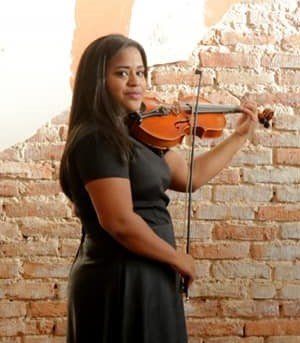
“My name is Karolaine Jarcem Mendonça. My story with Moinho began when I was 11 years old, when a friend of my aunt who already knew the project suggested that my mother enroll me. I joined the project doing dance and music, but what caught my attention was the violin, which I chose to specialize in and dedicate myself to for 8 years. The IMC is very important not only in my life, but also in the lives of many other children and adolescents who have passed through and are still part of this institution. Today, at 20, I have become a music teacher at the project, and I am very grateful to pass on to other children everything I learned thanks to Moinho Cultural and the people who make this dream come true.”
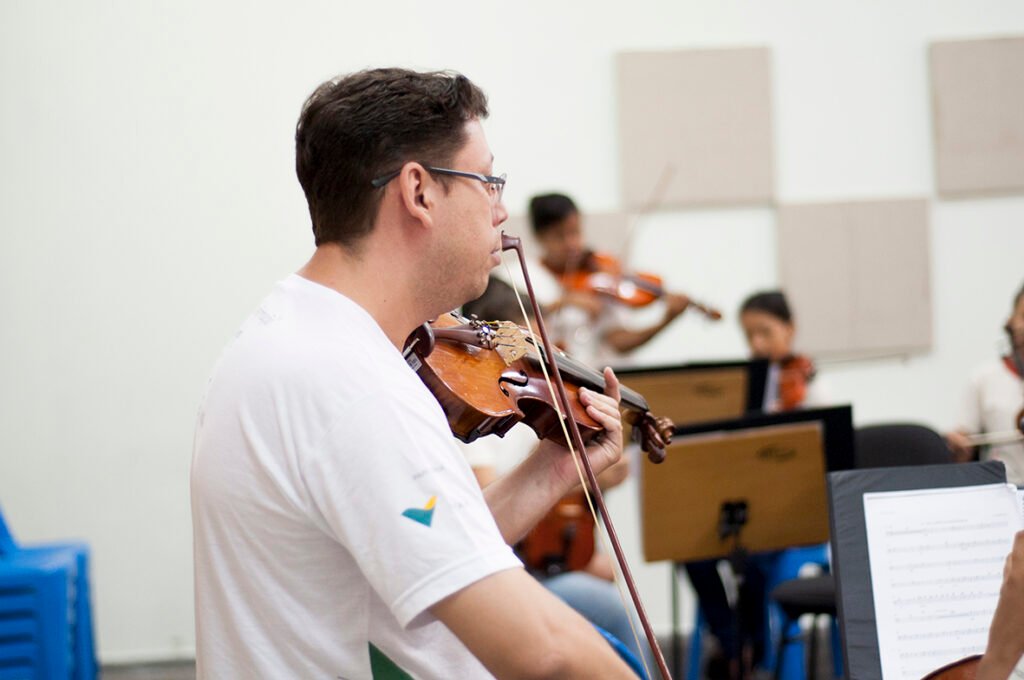
“I went to live in Praia Grande with an aunt to learn the violin, because there was no teacher in Corumbá. There, I learned the basics, the ABCs of the violin. But it was not enough. When I came back, I kept testing my limits, trying harder pieces and other instruments… That is how I progressed. I was working at a market in 2003 when the founder of the institute, Márcia Rolon, invited me to be one of the teachers at Moinho, which was just beginning. It was a unique chance. Since then, Moinho has given me countless opportunities to grow, attend university and further my studies. Music is beneficial for everyone, without exception. For those with talent, it makes them shine. For those without, it teaches discipline and persistence.”
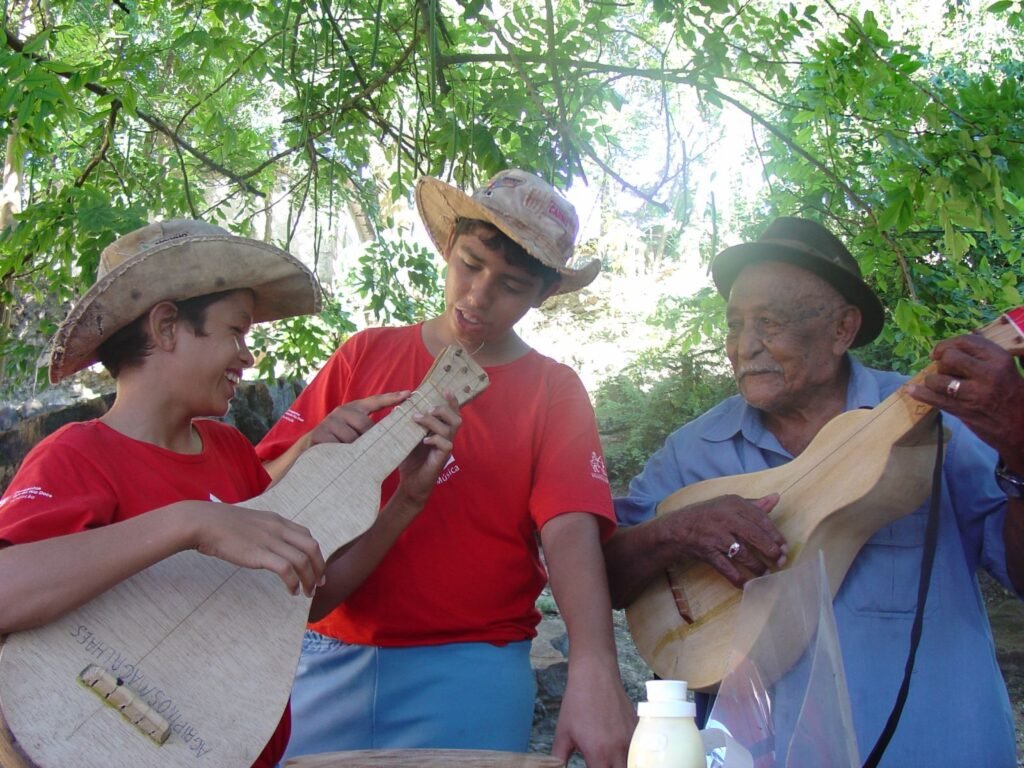
“I was always a child who loved to play, without many dreams. My mother received an informational flyer explaining what the Moinho Cultural (Cultural Mill) project was about, but like any child, I just wanted to stay home playing ball and having fun. When I started school, I came across that beautiful building full of flags — it was so grand I was left speechless. I arrived at the project out of curiosity, but already in the first class I fell in love with music; I can’t explain how, but I connected with it. I began studying guitar, the instrument I identified with, and my passion kept growing. After 5 years of study, I became a monitor, where I started taking part in classes by helping the teacher, and after one semester as a monitor, the teacher in charge of the class had to leave the project, so when I turned 18 in 2011 I was hired by the project. Through this opportunity, doors kept opening. A viola caipira (Brazilian country guitar) course taught by Maestro Rui Torneze came up at the Instituto ACAIA, and right after the course I was invited to teach at the project, which intended to put together a Viola Caipira Orchestra. In 2012 I was in my 2nd year under contract at the Instituto ACAIA, and my third year at the Moinho Cultural. Thanks to the opportunity the Moinho Cultural gave me, I was able to stand out in what suddenly became my dream: music.”
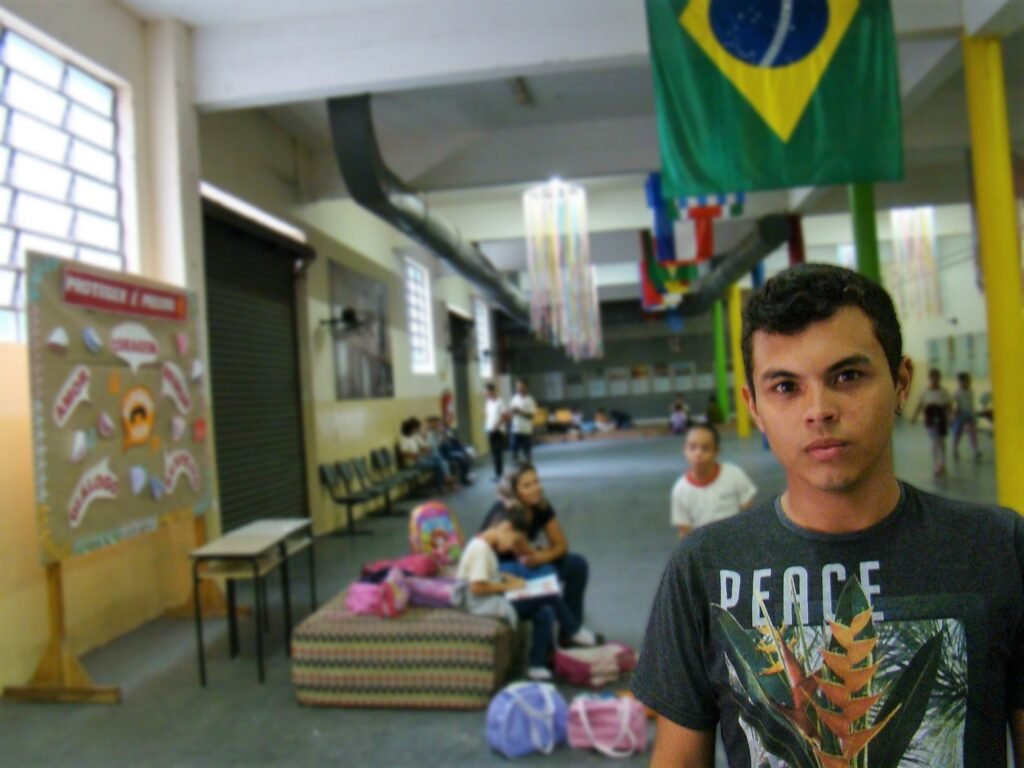
“Perhaps this is the greatest and most profound testimony about my life at Moinho Cultural (Cultural Mill), as well as the exposure of my most intimate connection with the institution. A journey through the innermost depths of the project and of my upbringing.”
Perhaps there was a lack of future for those born on the margins of society, perhaps there was a lack of hope for those who grow up on the margins of misery, perhaps there was a lack of dreams for those who grow up on the banks of a river.
I could not lack inspiration, nor the authority to speak about Moinho Cultural. There were ten years within the Institute, from its birth, or my growth. In a family relationship, or what we might classify as family.
When, quite early, at ten years of age, I entered the Projeto Moinho Cultural, which would later be consolidated as Instituto Moinho Cultural, I was not very certain about what was to come; in fact, the only certainty I had was of who I was and where I came from.
Son of a fisherman and a nursing technician, I lived in an outlying area of the city of Corumbá, on the banks of the Paraguay River, once one of the most violent neighborhoods in the city.
In the first days of class, everything at first seemed strange, because it was. The contact of a child from the outskirts with classical instruments, as well as dance and classical ballet, was unusual — not only for me, but for my parents, my family, my community. As was having access to language classes: English, Spanish, and even more so French. Everything felt like the lower class’s dream of aspiring to everything that was desired in being upper class — putting your children in ballet class, learning other languages, playing an instrument. My mother, like the other mothers, spoke with pride of the classes their children took, and that, of course, motivated me even more. The opportunity, which of course could never have been imagined, was like something almost “miraculous,” if only because it is not every day, nor in every place, that one finds an institution willing to give language, music, and dance classes to those who cannot afford to pay. For the first time, the Instituto Moinho Cultural broke the economic and social paradigms of a community, directly and indirectly affecting hundreds if not thousands of people. Making more than possible the dreams that had historically been the privilege of a certain social class and that were now accessible to everyone.
But what did this really change in my conceptions? The existence of the possibility of a better future created a driving force that, by itself, made me imagine the possibility of a better future beyond what I had, up to that point, learned to be a better future. I will explain it better as follows. As a young child, before Moinho, the conception of “better” and “future” was tied to the basic needs of every human being. To grow up, to have a job so that you don’t lack food, to have a car that works so you can get around more and not be punished by the hot sun, so you have the bare minimum to live on; as for furniture, we’re talking about a small stove, so you have somewhere to cook; as for property, having a small house with the bare minimum of comfort, which amounts to having water, electricity, and no leaks when it rains. The best was intimately tied to the least.
Dancing ballet, for the first time, exposed me to social and sexual prejudice. Prejudice in itself is uncomfortable, and it was no different for me. What was in question was not just whether dancing ballet would make you homosexual or not, but rather the prejudice about gender and sexual orientation that was blatant in society. At that time, I preferred to try to hide that discipline from my curriculum, to try to avoid the social mockery of being called homosexual or any other sexual orientation that diverged from heterosexuality.
In turn, ballet itself, deep down, also ran into the problem of sexual-orientation prejudice, when many times I heard, as a counter-argument, that ballet was a “men’s” activity, since in many dances the male partner danced with the female partner, unlike wrestling, where “men grabbed each other.” That argument ended up being used as a form of escapism for many students, which at first gave them ammunition against the mockery, but which soon after put everyone in the same boat. What I mean is that prejudice is not fought with more prejudice, but I also learned that at Moinho.
Regarding languages, I believe we should first establish that, informally, the language of Moinho was Portunhol (a Portuguese-Spanish blend). Our almost daily coexistence was established, first and foremost, through verbal communication, where on one side the Brazilians spoke Portuguese, venturing to say some words in Spanish, and on the other the Bolivians spoke Spanish, venturing to say some words in Portuguese; this union of two languages materialized into a third, which would be Portunhol. On a second level, communication took place through art, music, and dance, but we will see that further ahead.
Moinho served for all of this that I described above, in the formation of my intellect, of my psychosocial construction, of my critical formation. Moinho took me out of Plato’s Cave, allowing me to see society with a broader, more cosmopolitan vision.
The social impacts, which in turn were made upon families, promoted the socioeconomic transformation of these family units. Being or not being part of what we call family is not a matter of blood constitution, but rather a mutual affinity of growth and development. The question, What would your life be like without Moinho? is simply impossible to answer once a certain degree of institution-individual relationship is reached, since life’s transformation reaches a stage where a second possibility ceases to be considered. That being so, I could only compare my life before joining Moinho. Starting from a general assessment of all those who were born and raised in my community, who shared time and space with me. Let me draw from a few examples: some, quite early on, fell into marginality; others disappeared; others, in turn, gave up dreaming and settled for whatever work the almighty market had to offer; others, by an even unhappier path, already find themselves in the afterlife. I deduce that the aforementioned options could have been among my possibilities in life, or not! I prefer to believe that Moinho was a chance occurrence, luck, fate, something irrational. I do not like to think it was something higher; it would be cruel to imagine that I was chosen to have a different future from my peers, many of whom fell into the sufferings of social marginalization.
Moinho functions as a catalyzing instrument of dreams, a symbolic windmill, where dreams, in turn, are like strong winds that run at a gallop along the paths of uncertainty, and so they live until they meet a barrier, and that barrier is Moinho. Which uses its strength to move the utopian machine that turns dreams into reality, that metaphorical wind force which, in a messianic wait, believes in children for a better future. It sends forth its strength to wherever hospitality is reciprocal, beyond the borders where the language changes, past the bends of the river where the water is murky, in the slums where violence is mute, in the offices where politics feigns deafness, on the hills where shacks lean, on the restless feet where the ballet slipper is a frame, in the hungry mouths where song is sustenance, on the fingers calloused from work, where the balm is a musical score.
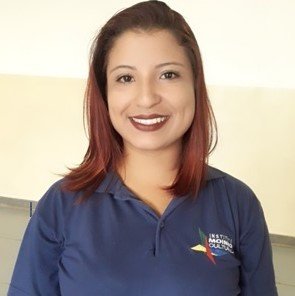
I started at Moinho at age 11 in 2005; my great dream was to dance, and I loved watching dance performances.
At Moinho I had the opportunity to begin fulfilling that dream, but beyond dance I also went through music, languages, school support and other activities.
At 16 I was invited to be a dance monitor, and little by little I learned from the professionals who came through here.
Today, after many experiences, I have become a teacher in the field, and for me it is very rewarding to be able to teach and pass on to other children everything I learned at the Instituto Moinho Cultural.
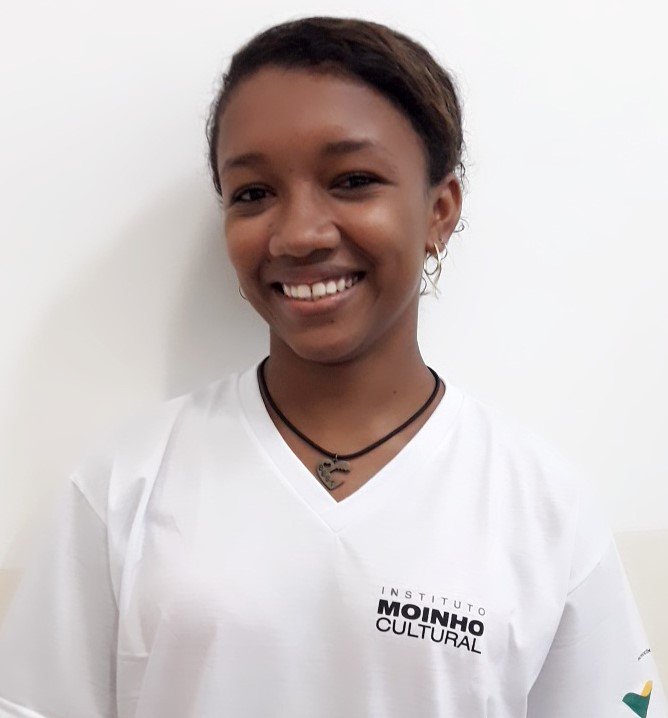
My name is Ana Claudilene Da Conceição Assis, and I have lived at the shelter home, in Ladário-MS, since I was 6 years old. When I turned 7, I began practicing ballet at the Projeto Semear (Sowing Project), in Ladário, and I stood out quite a lot! It was when, already 10 years old, I was recommended to attend Moinho Cultural (Cultural Mill). I entered the institution in 2012, where I took a selection test to do ballet, and when I was accepted I was very happy to have made it and to be able to continue with ballet for life, and with that I began to like ballet even more, and I dedicated myself a great deal and did everything possible to continue.
The years went by and I kept dancing. In 2013, I went to the orthopedist, and the doctor asked for an exam of my ankle to be done, because I complained of a lot of pain. I had to get an MRI done in Campo Grande/MS, and that was when the doctor said there was nothing serious with my ankle; it was then that I received some very sad news from the doctor, telling me I had to stop dancing ballet, because if I kept dancing it would harm me, so I decided to stop dancing, but I was sad. After this happened, the shelter home’s coordinator requested that I be withdrawn from ballet at Moinho. So that I would not lose my spot at Moinho, in 2014 Moinho’s coordinator asked me to go into the music area to learn to play piano. I spent 1 year playing piano, but I didn’t identify with it, though I kept playing until the end of the year. And in 2015, I switched instruments and decided to go into percussion, and I played the whole year, but I didn’t identify with that either. When it got to 2016, I went back to the doctor, because he said I could go back to dancing, and I was very happy. So the shelter home’s coordinator went back to Moinho saying that I could dance again. I went back to dancing in 2016, and I kept dancing ballet until 2017. On August 23, 2017, I went to Nutec (Moinho’s Technology Center), but I only stayed there for a month and a half, and in October I went back to ballet again. And when it got to 2018, I decided to leave Moinho because I no longer enjoyed ballet, because the pain in my ankle was coming back. And before classes started, Moinho’s coordinator called me in to talk, together with the shelter’s psychologist and IMC’s social worker, making me a proposal about whether I wanted to work at the institution, because they didn’t want me to leave Moinho, so I decided to accept the proposal. On March 8th, I started working as a young apprentice in the social sector.
I feel very happy, because Moinho taught me many things, I met people I never imagined I would meet, and it has brought only good things into my life, and for that I am proud to be a product of Moinho Cultural.
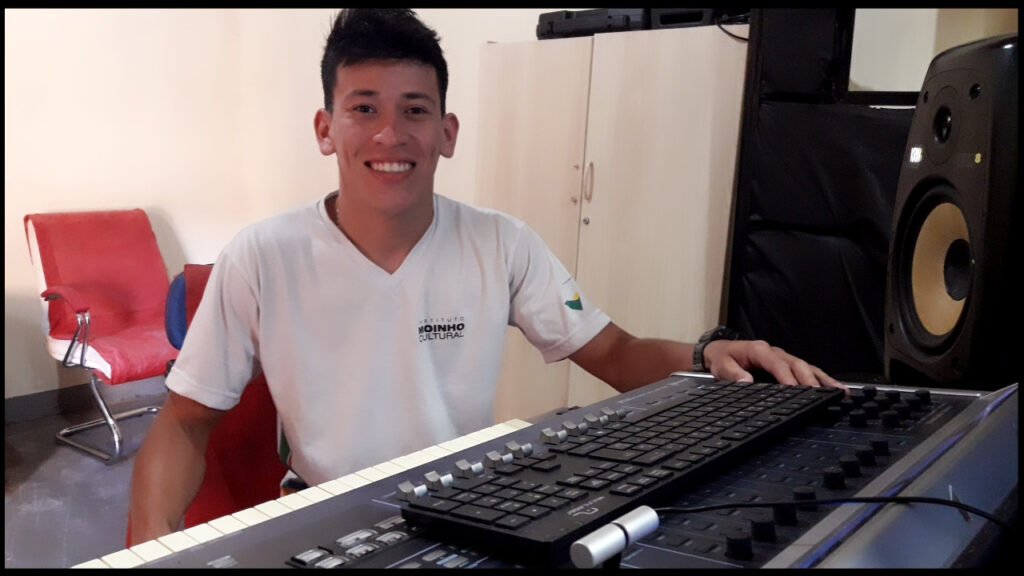
I have been at Moinho for 10 years; I joined here as a student, and today I am a collaborator. I went through every stage, from dance to settling into music, to which I dedicated 8 years of my life, where I had the opportunity to meet icons of Brazilian classical music such as: Marcos Arakaki (Concertmaster of the OSB), Bernardo Bessler (violinist), Noemi Uzeda (violist, Petrobras Orchestra), Ubiratã Rodrigues (conductor of the Rio sinfonietta), Abner Mancine (Goiás Philharmonic) and many others.
I had the opportunity to surpass myself and take on a new challenge and a new career, completing the technical sound course through OI Futuro, a partner of the institution at the time.
Today I am the technician responsible for the institution’s sound, and I always dreamed of having a recording studio, and Moinho Cultural made that dream come true too. I am grateful to be part of this family.
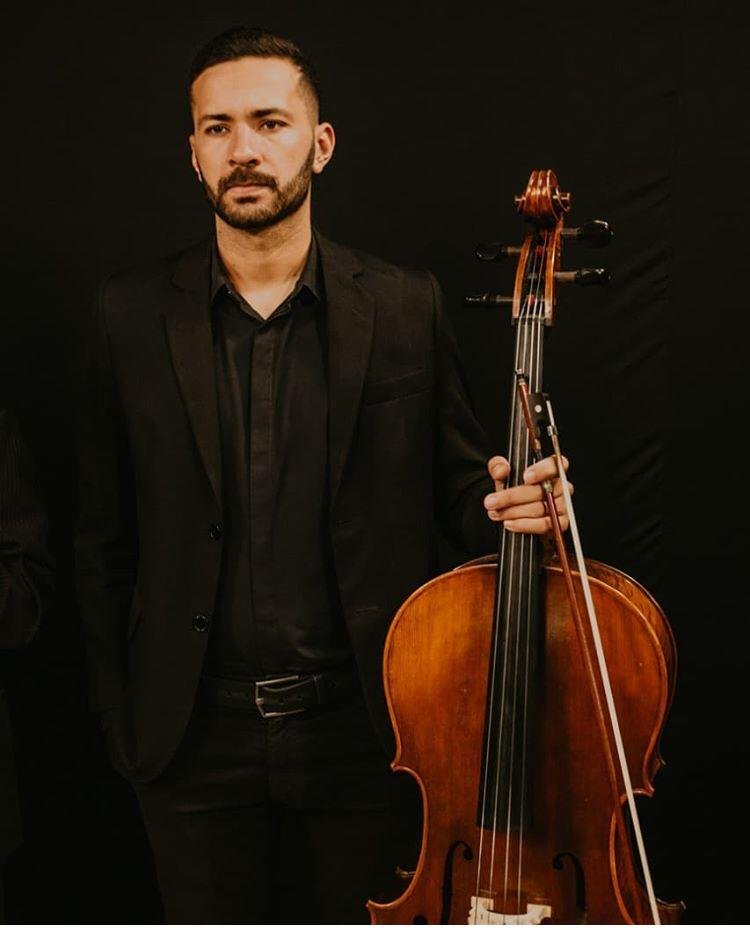
Since I was little, I always had a strong desire to be a musician. I loved to sing and had a dream of learning the piano. That was when, at the age of ten, I had the opportunity to join the Moinho Cultural Sul-Americano, where I had my first contact with a musical environment.
I started on the piano and studied the instrument for a year. At the end of that first year, I had the chance to discover the cello, the instrument that changed my taste for music and made me want to be an orchestra musician. This experience soon became more and more serious, as I joined Moinho’s musical groups and received from the institution many opportunities to deepen my knowledge of the instrument and of music in general.
The Moinho Cultural Sul-Americano was largely responsible for the success I have in my career today, because it was Moinho that opened the doors, welcomed me, took care of me and transformed me not only into a good musician, but into a better person.
Want to keep up with Moinho?
Subscribe to our newsletter
All rights reserved © MOINHO CULTURAL