When she is not rehearsing, Nayara Conceição spends all the time she has left with Helena, her one-year-and-seven-month-old daughter, who is cared for by her grandmother, Laura, so that the mother can devote herself to the heavy routine of classes, rehearsals and daily exercises.
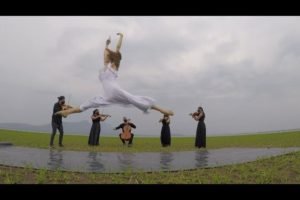
Nayara, or Nay, as she likes to be called, is one of the 16 members of the Cia de Dança do Pantanal (Pantanal Dance Company).
The group is dedicated to contemporary dance, seeking to shape its expression through the pursuit of a highly diverse regional identity that combines elements of the natural and human landscape.
Created in Corumbá in 2017, the Cia emerged as one of the vectors of the Instituto Moinho Cultural Sul-Americano (South American Moinho Cultural Institute) and also works with a focus on music, technology and literature to serve children and adolescents on both sides of the border, Brazil and Bolivia.
“In the beginning it was a bit difficult, because I was a completely classical dancer and, when Chico Neller came to choreograph [in 2019], it was a proposal totally different from what I was used to dancing, I had great difficulty with contemporary dance. But with rehearsal after rehearsal, the choreography gets into your body”, says Nayara, who has been part of the Cia since the beginning.
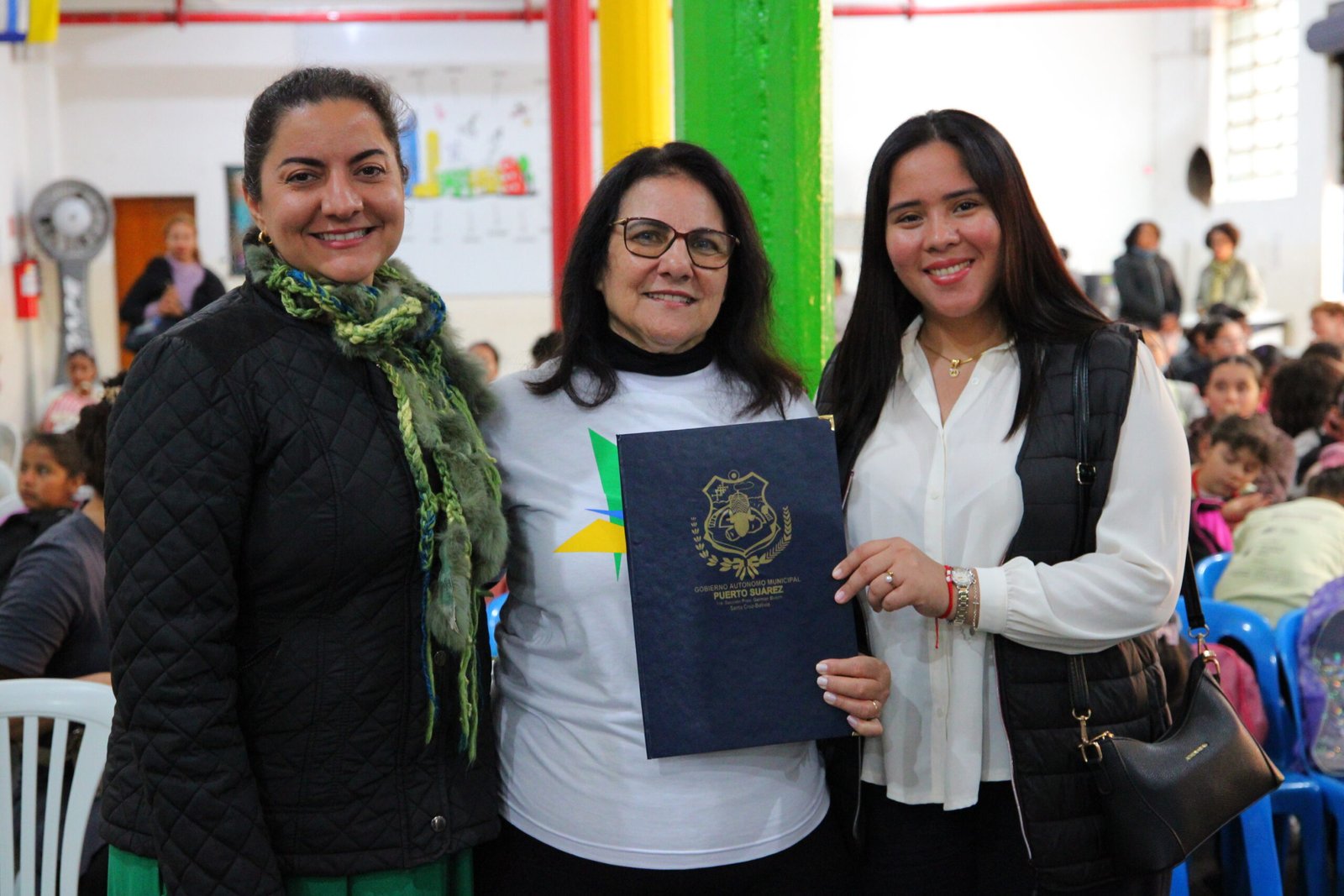
Her memories as a professional dancer are intertwined with the group’s own trajectory. During these four years of activity, the Companhia de Dança do Pantanal has developed three original choreographies – “Cultura Bovina” (Chico Neller), “Sexteto para Cinco” (Rui Moreira) and “Carne Quebrada” (Wellington Júlio) – and has staged performances in Campo Grande, in Pará (Canaã dos Carajás), in Minas Gerais (Belo Horizonte and Brumadinho), in São Paulo (Indaiatuba), in Bolivia (Puerto Suarez) and in Portugal (Porto and Santa Maria da Feira).
“Dance came into my life when I joined the Projeto Moinho Cultural. I joined at age seven, doing music and dance. At first, I ended up choosing to go into music and was part of the orchestra playing violin; over time I moved into dance and that’s where I found myself again”, summarizes Nayara, who highlights, among the standout moments of the company and of her own life, performing in Portugal and winning the grand prize of the Concurso Internacional de Bailados (International Ballet Competition).
“I found out afterwards that I danced while pregnant”, says the 22-year-old dancer, born in Corumbá, with emotion.
“Dance is my joy, my refuge. I can’t see myself doing anything else and I want to keep developing more and more in this field”, says Nayara, who longs for recognition like any young artist. Her great dream is “to see our company recognized throughout Brazil”.
But what is missing, then, Nayara, for that to happen? She gives a wry smile before answering: “Sponsorship!”
Dancing through the blackout
Indeed, while the busy routine of Moinho Cultural goes on — which, besides the Cia de Dança, involves the Orquestra de Câmara do Pantanal (OCPan) (Pantanal Chamber Orchestra), the Núcleo de Tecnologia e Comunicação (Nutec) (Technology and Communication Hub), a music recording studio and daily services to the community — dancer Márcia Rolon, mentor of the project, is constantly struggling to keep activities running amid a five-month delay in the transfer of funds raised through the Lei Rouanet (Rouanet Law).
This promotion legislation (Law 8313/1991) has existed for 30 years and provides for an income tax deduction for companies that agree to allocate part of the taxes they owe to cultural incentives.
The blackout in cultural management, which has marked the Bolsonaro government, caused yet another setback for Moinho and for the entire sector last week.
Ordinance 12/2021, from the Ministry of Tourism, published on Wednesday, delegates to the Ministry’s Secretary of Culture the power to “exercise the presidency and issue the management acts” of the Comissão Nacional de Incentivo à Cultura (CNIC) (National Commission for Cultural Incentive), made up of members from different segments of the cultural field.
In practice, the commission had already been completely paralyzed since March amid the endless crisis in the leadership of the secretariat.
With the departure of actor Mário Frias, who was removed from the post after public friction with the artistic community, the military police officer — who has already displayed denialist views — André Porciúncula took over the position.
The hopes of Márcia Rolon and hundreds of cultural producers from Mato Grosso do Sul and across the country now rest in the hands of the military police officer.
“We currently have R$2.5 million raised through Rouanet [most of it from the Instituto Cultural Vale] awaiting release”, laments the dancer and cultural producer.
“We have the opinion approved at Funarte, but we don’t have the commission’s signature because there is no commission. We are at the mercy of a single secretary to say whether we can use our funds or not”, explains Márcia Rolon. “That is frightening, dangerous, and we are very fearful of what we are living through right now”.
To create is to resist
Despite complaining about the lack of credibility faced by the sector, the cultural producer and choreographer, trained in dance (RJ) and physical education (MS), announces two pieces of news.
The Rede da Criança e do Adolescente da Fronteira (Recaf) (Border Children and Adolescents Network) and yet another new choreography, with a premiere still planned for 2021.
Recaf comes from the need to strengthen dialogue with neighboring municipalities on both sides of the border. The new choreography, which is being created by her, Chico Neller, Wellington Júlio and, as always, the effective collaboration of the Cia’s 16 members, will have immigrants as its theme.
“Without forgetting the biome and the geography, we always bring in the themes that are pulsing through the students themselves”, says Márcia, daughter of ballerina Sônia Rolon and former member of the Ginga company, recalling that the choreography Carne Quebrada had as its starting point an episode of violence suffered by one of the dancers.
Pantanal and border are recurring words during the conversation with the cultural producer, who deepened her knowledge of the region by pursuing a master’s degree specifically on border studies.
“We think differently because we are on the border”, Márcia provokes. “We are on the edge, and whoever is on the edge has the abyss right beside them and always walks along that abyss with great difficulty.
After contacting more than 30 cities, we realized that what we have in common is the distance from the center and the lack of attention from the state toward us, both from Brazil and from all the countries that border us. That, indeed, makes us very different and rich.”
The idea of addressing immigrants as the concept for the next choreography arose from the large presence of Haitians in the region in 2019.
“We received 2,000 Haitians, we gave them shelter and food and we went through an intense moment with them”, says Márcia.
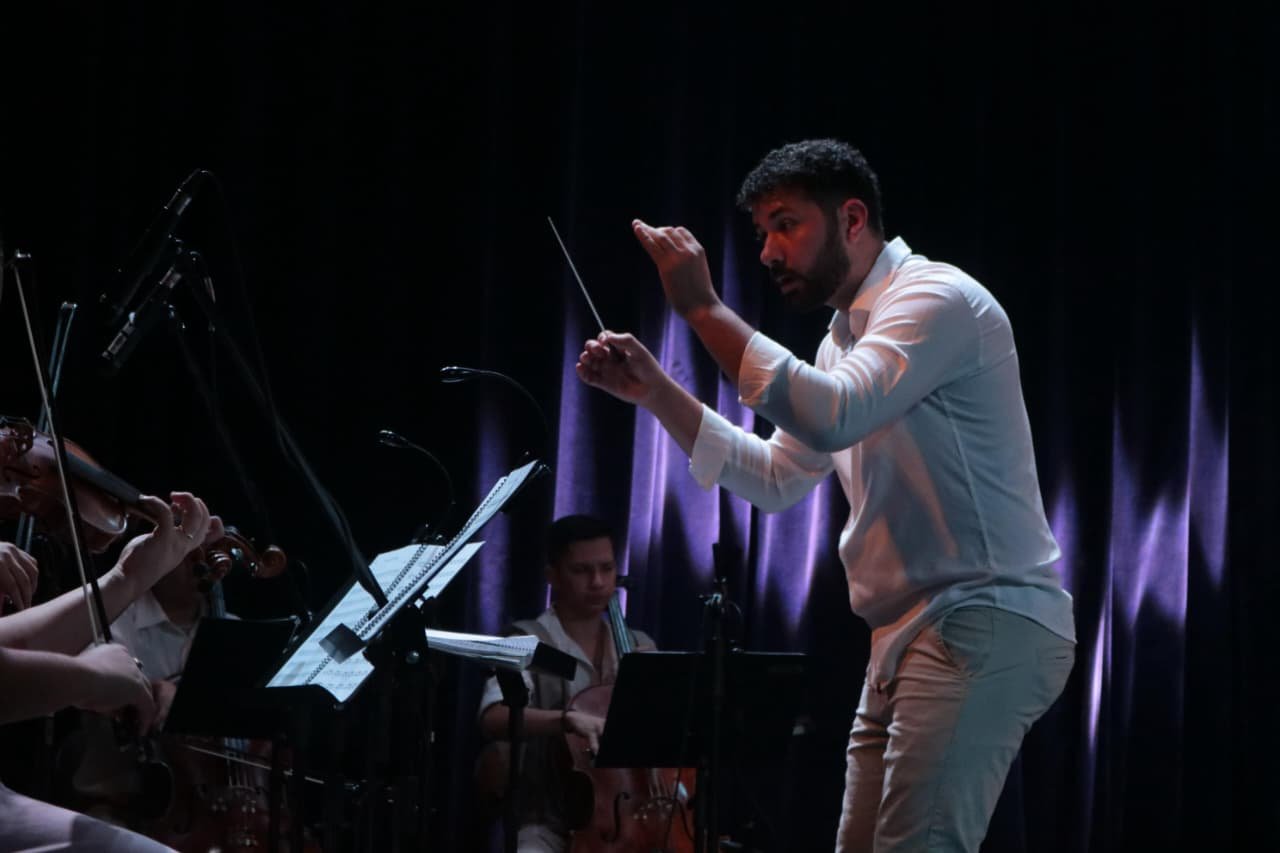
“Since then, this ballet has been growing”, says the choreographer. The musical score will combine electronic creations, generated in Moinho’s own music studio, with the score by musician Eduardo Martinelli, conductor of OCPan.
The show will have a multimedia approach and will include testimonials from immigrants that are already being collected.
The advocacy for South American integration, and even among the Brazilian states, lies at the heart of the thinking of the Instituto Moinho Cultural. To make up the cast of the Cia de Dança, the maximum limit of local dancers is 60%.
The other members come from states such as Minas Gerais or countries such as Argentina. The team of teachers also has quite diverse origins. Besides Brazilian Beatriz de Almeida, who was principal dancer of the Stuttgart Ballet, in Germany, for 20 years, the classical ballet training bears the signature of the Cuban duo Rolando Candia and Mayda Rivero.
Argentine Augustín Salcedo Martin is 25 years old and trained, among other institutions, at the renowned ballet school of the Teatro Colón, in Buenos Aires.
“At the end of 2018, a teacher told me that a company from Brazil was looking for dancers, I was thrilled at being selected”, recalls Agustín, who says he has been a dancer since the days when he danced in front of the television set in Mar Del Plata, where he was born.
The dancer is yet another example, and a good argument, for the cutting-edge work developed by the Cia de Dança do Pantanal, which did not stop even during the pandemic.
“The world is small with technology. The pandemic period surprised us, made us strong and we broke through barriers”, celebrates Márcia Rolon as she lists the dozens of livestreams held by the Cia since last year, including with groups from Paraguay, Mexico and Spain.
“It was hard, but we managed to produce 60 individual creations and we danced together, for example, with the Orquestra de Ouro Preto.”
Always in motion
Whoever listens to Márcia, her stories, her concerns and, above all, whoever learns the numbers behind the project, certainly ends up rooting for the endeavor.
“We work with the democratization of art. With our methodology, based on what we call the theory of change, we gradually managed to build good dancers and musicians and wonderful citizens of the world. Today we have PhDs, master’s graduates and many others with degrees, to the point that we noticed that many didn’t want to leave here and many from other cities wanted to come here to study.”
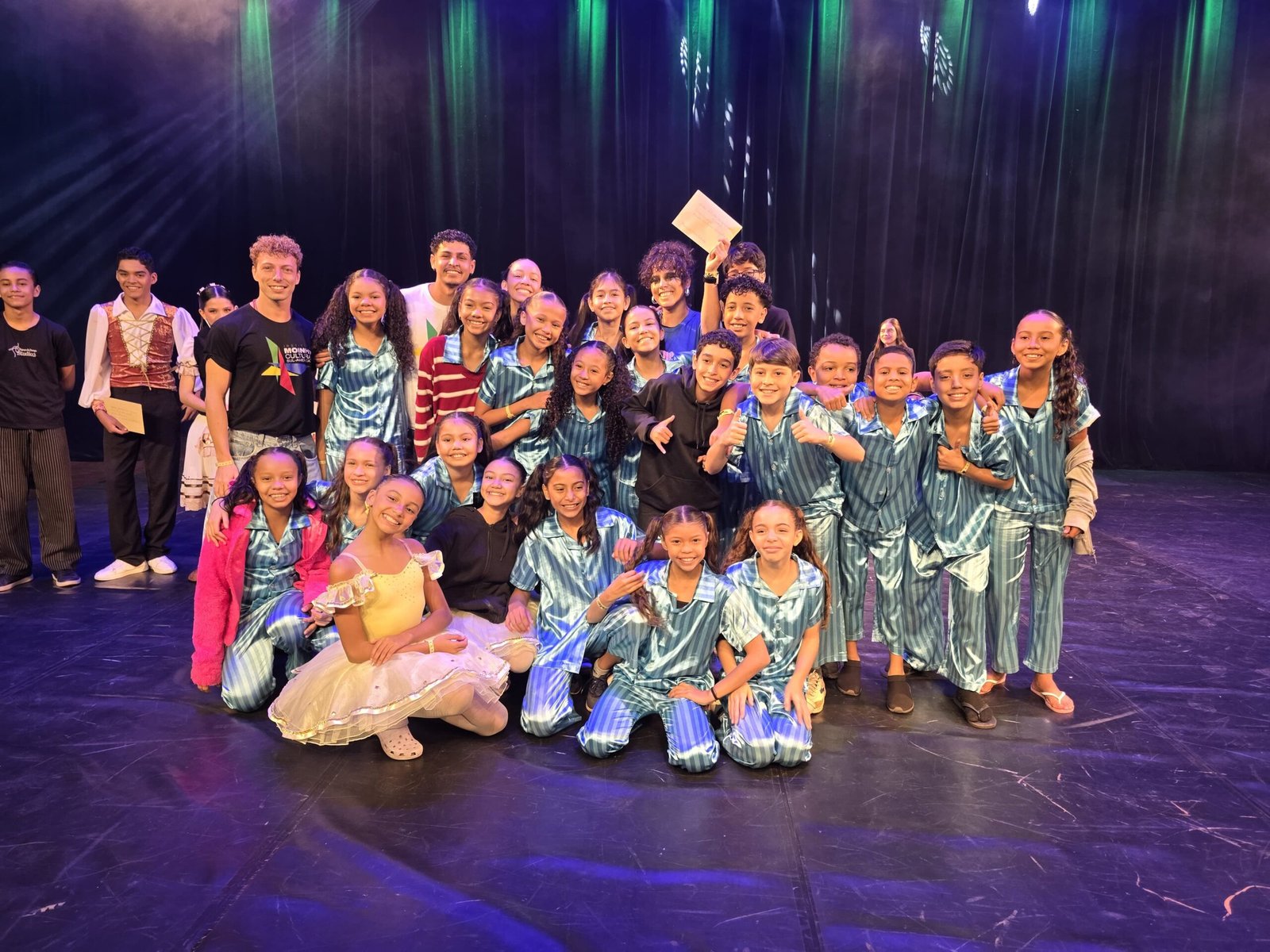
There are eleven dancers and 53 employees working with formal contracts, in addition to 400 young people served daily, some of them following the same path that dancer Nayara Conceição describes at the beginning of this report.
That is, the child arrives between six and eight years of age, undergoes a three-year artistic immersion and then chooses a specialized training track.
In 16 years of activity, the Instituto Moinho Cultural Sul-Americano has directly served 23,000 people, staging artistic performances that, not counting the more recent virtual audience, add up to an audience of 60,000 people. The mill cannot stop.