20 years ago, a personal and collective dream began to take shape on the border between Brazil and Bolivia. Márcia Rolon, dancer, cultural manager and director of the Instituto Moinho Cultural Sul-Americano (South American Moinho Cultural Institute), transformed a building in Corumbá into a place of art, education and citizenship.
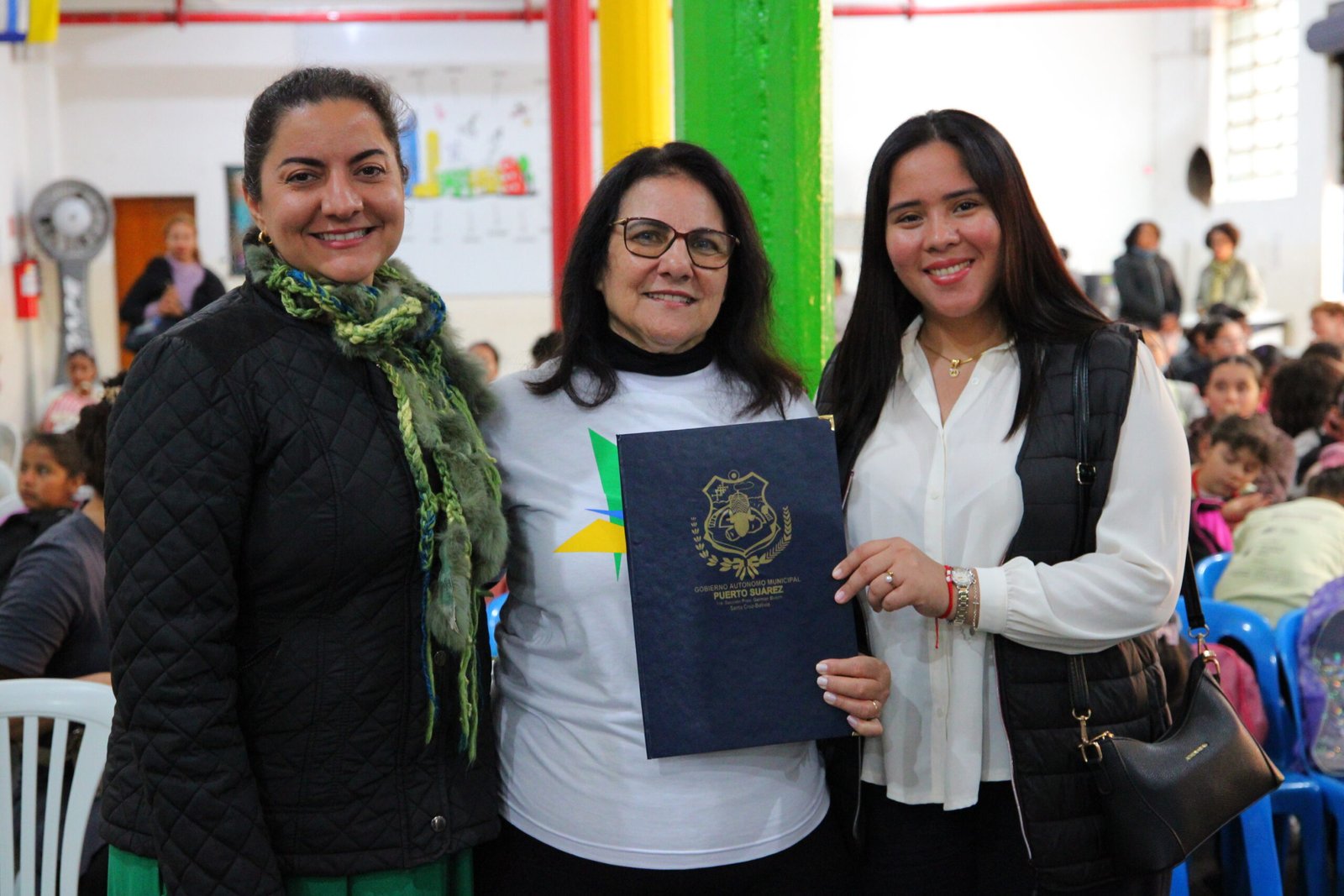
This past weekend, Márcia received the Prêmio Helô Urt (Helô Urt Award), in the Culture category, in Corumbá, a tribute that recognizes her career and contribution to culture and social transformation in the region. In 2024, Moinho Cultural was recognized with the award for Best NGO in the culture field in Brazil and the best in Mato Grosso do Sul, an achievement that reflects the dedication and impact of the work carried out over the years. This is the third year that Moinho has ranked among the 100 best NGOs in Brazil.
“Many children, adolescents and young people have passed through Moinho. In all, we have 25 thousand people directly impacted. Of those 25 thousand, many are in various places, in various professions. There are 180 professions that people who passed through Moinho Cultural now work in. So we have a long history in these 20 years, now entering our 21st year.” Márcia says proudly.
Created two decades ago, Moinho arose from a personal restlessness, inspired by her experience with her mother, who was also a dance teacher. Initially conceived as an arts school within the Instituto Homem Pantaneiro, the project grew by combining different art forms and life experiences. “The idea of creating Moinho Cultural began as a school. I relied heavily on the artistic experiences I had with my mother and my father. Dance came in, environmental education, music, school support, workshops for mothers and fathers… It’s a puzzle of artistic and life experiences that I’ve had.”
Moinho’s great differentiator lies in training young people who, in addition to learning technical skills, are encouraged to create and transform their own realities through art. “Art, in itself, is inclusive and egalitarian. When you start practicing art, you realize it puts you in a place where you are nothing, but can also be everything. Art educates. You can’t separate art from education. Art as education is pure inclusion and gives you self-esteem.”
Over the years, Moinho has become a reference in cultural management, having held Lei Rouanet certification since 2011. The institution has attracted sponsors, such as Instituto Cultural Vale, and receives support from companies that direct tax funds to the project. However, for Márcia, the greatest support comes from families. “Moinho’s greatest supporters really are the families: the Corumbá family, the Bolivian family… They believe in what we do, applaud our achievements, take part in our challenges. If they didn’t believe in our work, there would be no point in doing it and having no participants.”
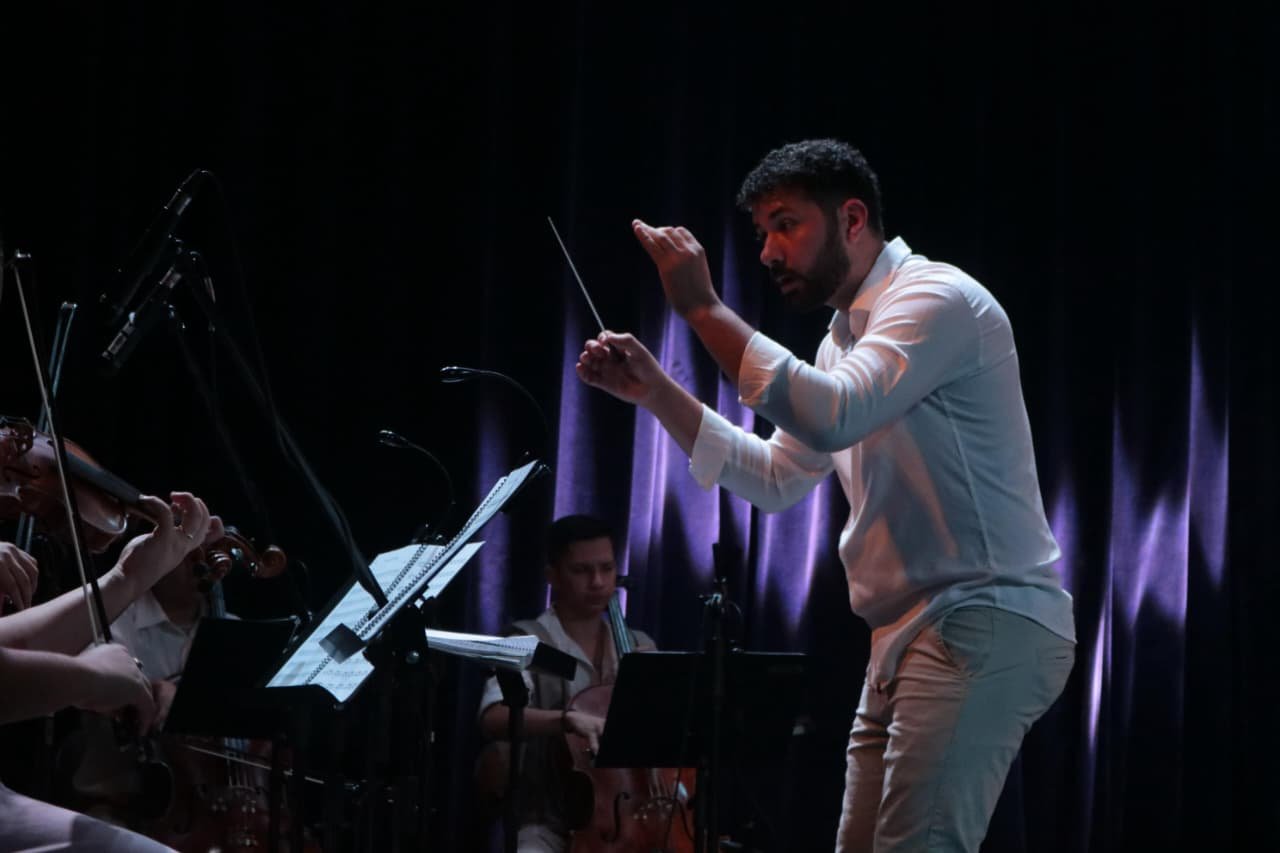
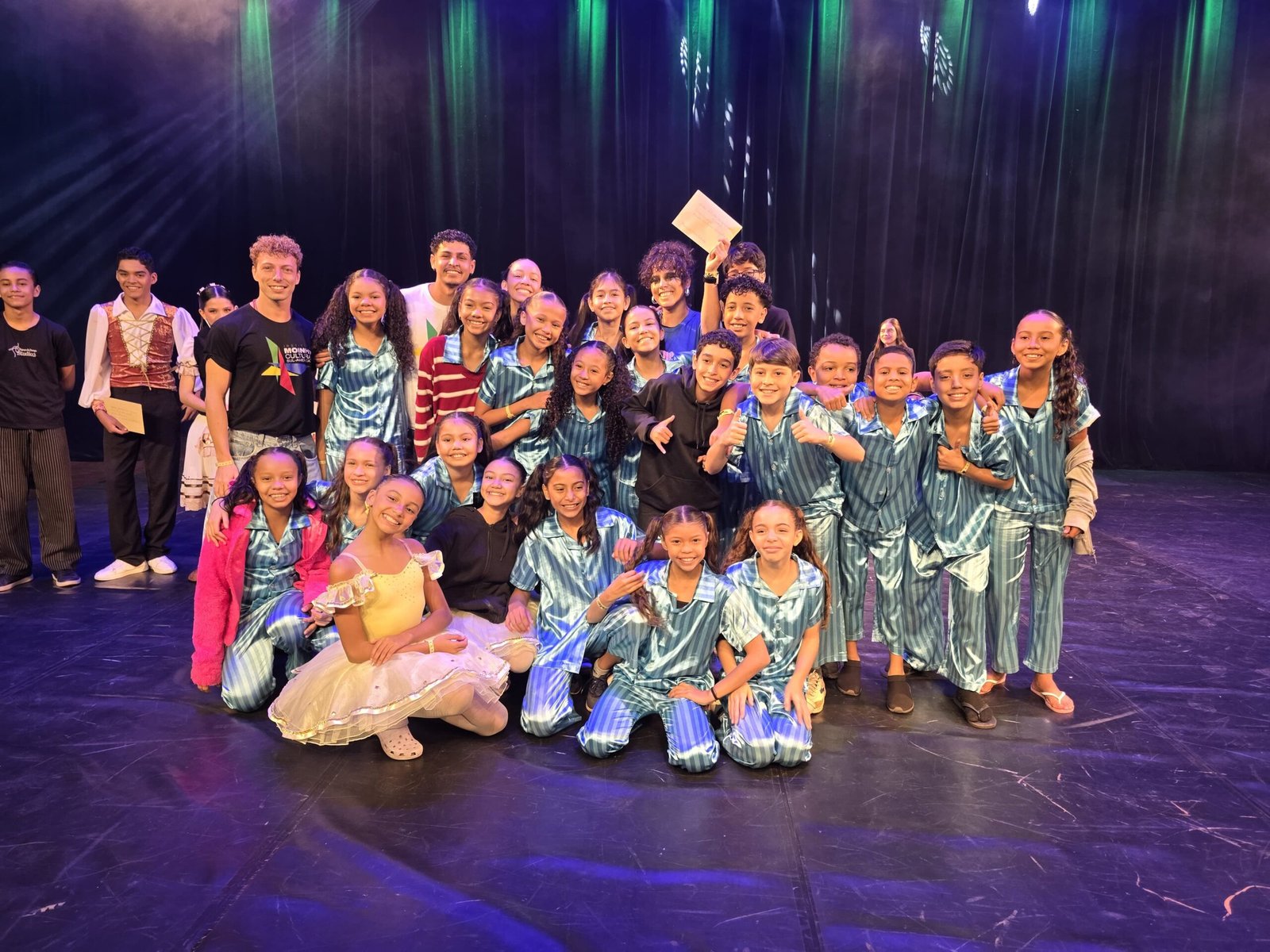
One of the year’s most anticipated moments is the show Moinho in Concert, conceived, created and directed by Márcia. “Over all these years, only two shows were not created entirely by me. All the others were created by me, with support from Leonardo Sá, then Eduardo Martinelli, and today Vinicius Klaus. But the composition, the creation, the conception of the show on stage belongs to the artistic direction — which is mine. It’s authorial work, unprecedented and very unique, where children, adolescents and young people, today professionals and amateurs, mix on the same stage. It’s a show that touches the heart and makes people reflect on what is being brought.”
Moinho’s work goes beyond physical and symbolic borders. Every day, children from Bolivia cross the border to take part in activities, consolidating a true model of a culture of peace. “We managed to break down barriers. It’s a place with all of this on a border, where every day we welcome children from Bolivia. It’s a powerful model of transformation through art.”
For Márcia, the greatest result of all this is not just in the numbers, but in the visible transformation of those who passed through Moinho. “The greatest fruit of this impact is seeing each person’s personal fulfillment. We always work with a sparkle in the eyes. The child who has that eagerness, that desire to be there, or the one who doesn’t yet have that sparkle and needs to be awakened. When I walk down the street and meet someone’s gaze, I say: ‘Wow, who are you again? Because those eyes are from Moinho.’ I recognize former participants a lot by their eyes. And when they tell me what they’re doing today, I see that sparkle again, that joy of living. That, to me, is incredible.”
At the helm of Moinho Cultural, Márcia continues with the same enthusiasm as at the start, aware that there is still much to build. “Moinho Cultural’s role is to allow access to art and citizenship. When a participant completes a cycle within Moinho, they see themselves as someone capable of changing their family’s educational and social level. That’s what drives us. We are always reviewing ourselves, reassessing ourselves. Moinho’s motto is this: constant transformation.”