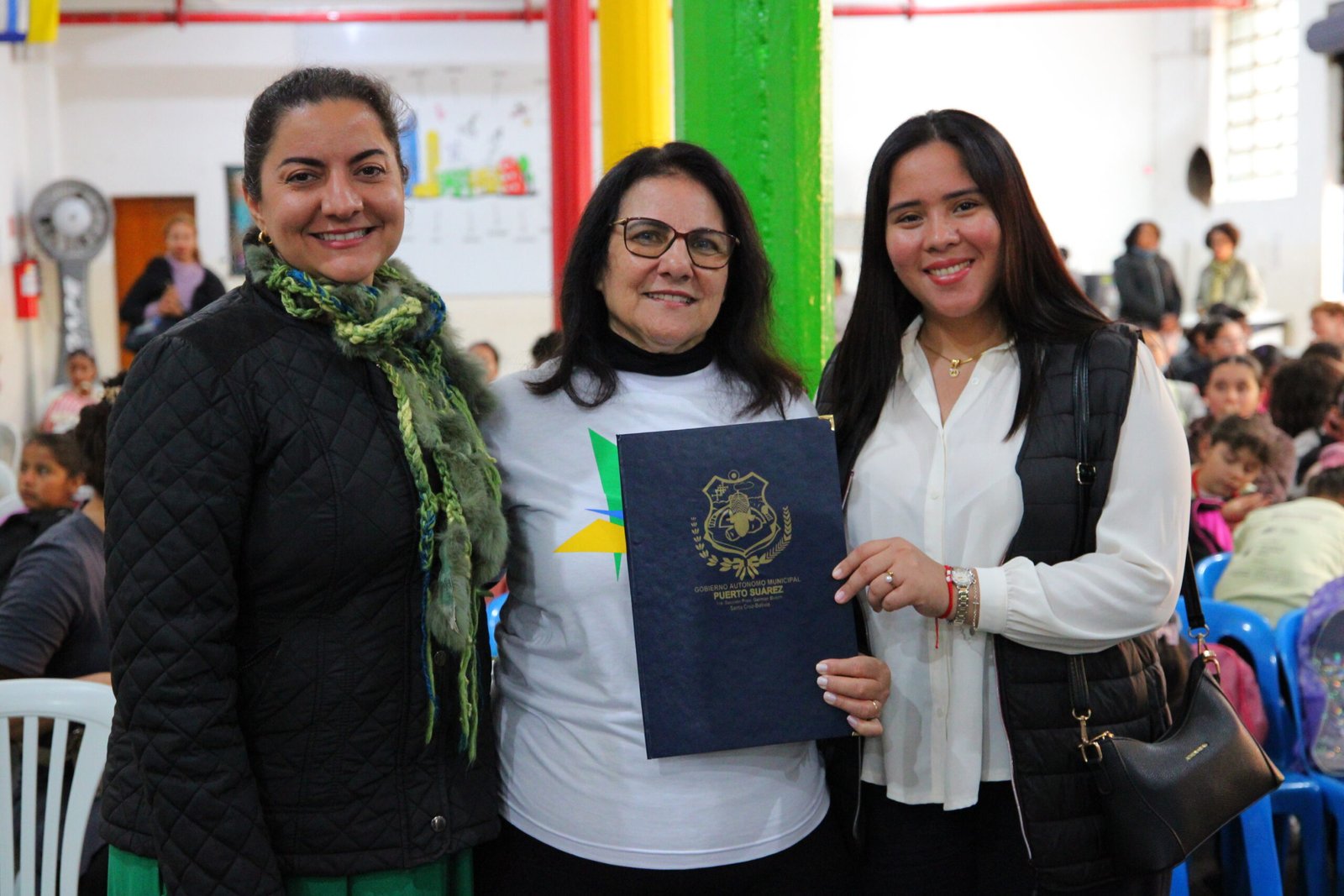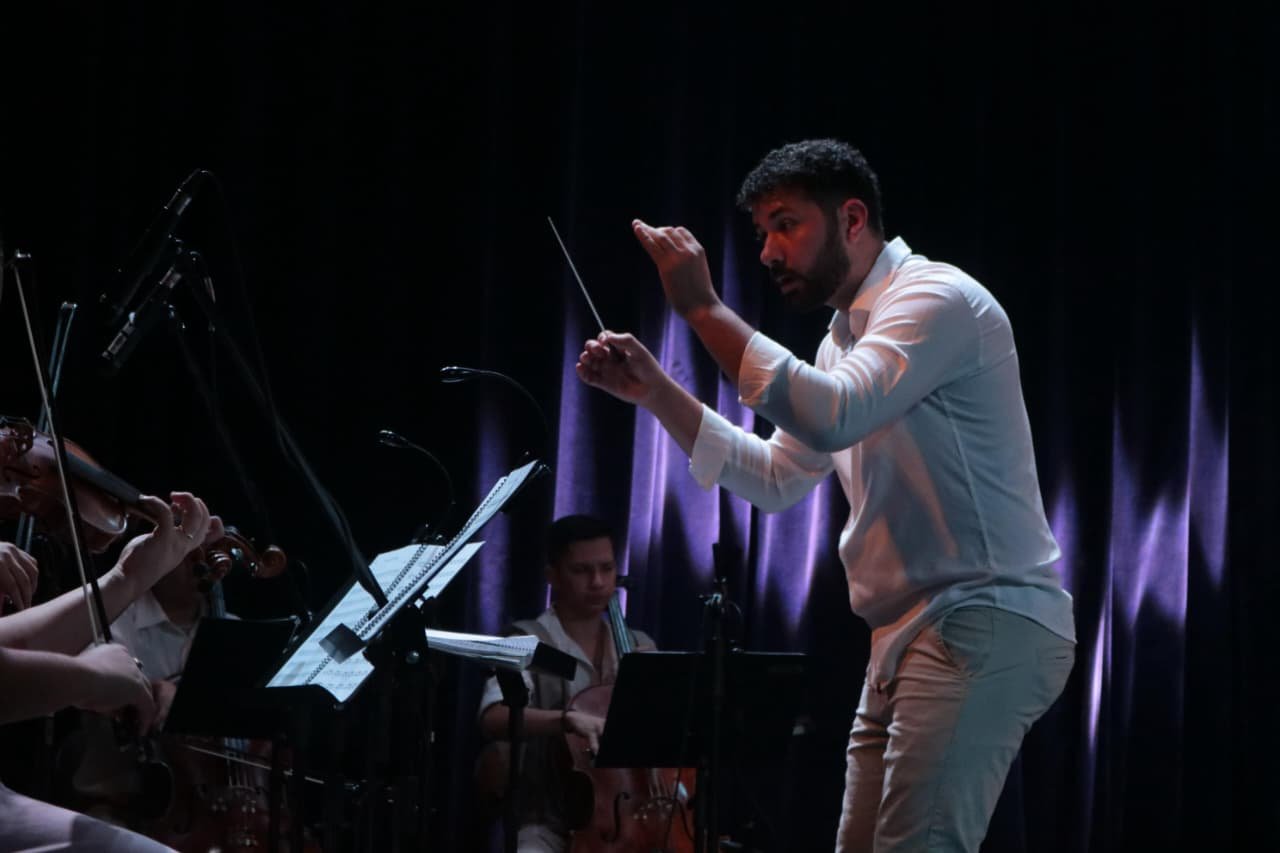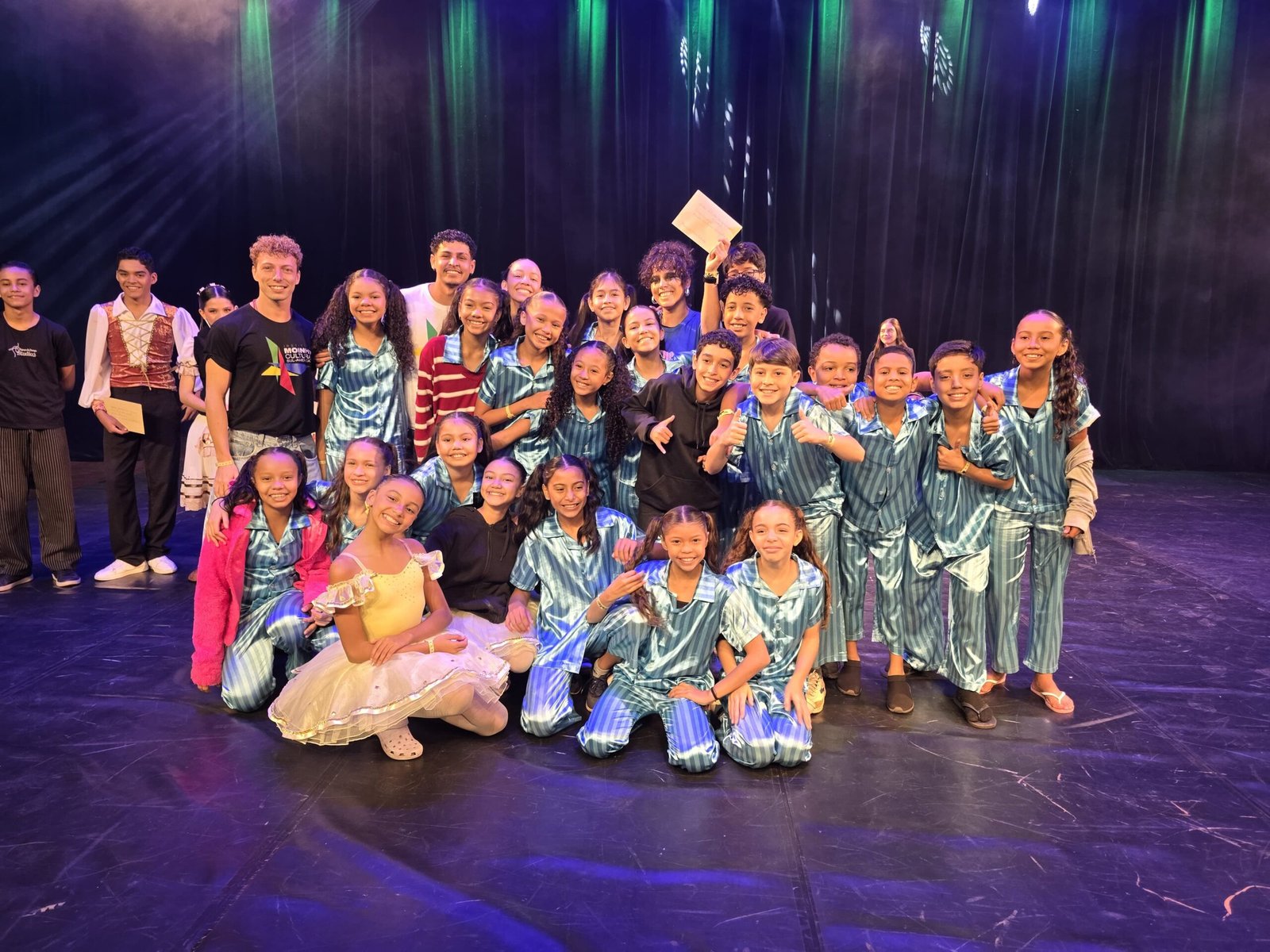
Throughout the month of May, the Instituto Moinho Cultural Sul-Americano (South American Moinho Cultural Institute) has been carrying out awareness-raising actions on combating the abuse and sexual exploitation of children and adolescents through the project “De Criança para Criança” (Child to Child), conducted in partnership with the Secretaria Municipal de Educação de Corumbá (Corumbá Municipal Department of Education). The initiative is part of the Maio Laranja (Orange May) mobilization and brings conversation circles and educational activities to schools in the border region between Brazil and Bolivia.
The actions took place at the CAIC, Ângela Maria Perez, Delcídio do Amaral, Cassio Leite de Barros, Pedro Paulo de Medeiros, Djalma Mendes Sampaio, and Izabel Corrêa schools, engaging children and adolescents in moments of listening, exchange of experiences, and the collective construction of knowledge about protection, rights, and violence prevention.
Unlike the traditional lecture format, the project proposes conversations led by Moinho Cultural’s own participants, who study the topic and share the knowledge they have gained with other students at the schools, in addition to handing out educational booklets. “This month, we are addressing the theme of Maio Laranja, talking about abuse, sexual exploitation, warning signs, the reason the campaign was created, ways to report, and the importance of talking about the subject”, explains Jessyka Karolaine da Fonseca Alvares, a social worker and coordinator of the Núcleo Social (Social Division) at Moinho Cultural.
During the meetings, the topics addressed included the signs displayed by children and adolescents in situations of violence, reporting channels, the importance of active listening, and the strengthening of protection networks. The goal is to broaden access to information and encourage children and adolescents to recognize their rights and know where to seek help.
In addition to Corumbá, the actions also engage with institutions and partners of the protection network in Ladário. Last week, the project took part in activities in partnership with the Guarda Municipal de Ladário (Ladário Municipal Guard) and the Conselho Tutelar (Guardianship Council) during Maio Laranja mobilizations in the municipality.
For Moinho Cultural’s artistic director, Márcia Rolon, the campaign reinforces the need to see childhood as a collective priority, especially in territories marked by social vulnerabilities. “On this May 18, the message we left as the border’s children and adolescents network is that every child needs to be heard, needs to be seen, needs to be a protagonist and to be happy. We need to build environments where they have access to art, culture, education, food, and the right to fully live their childhood”, she emphasizes.
Márcia also stresses the importance of integrated action among school, family, and public services in caring for children and adolescents. “It is essential that this child find spaces of listening at school, at home, in health services, at the CRAS (Social Assistance Reference Center), and throughout the protection network. When we strengthen these bonds, we help ensure that they can grow up with safety, dignity, and hope”, she says.
The social worker and consultant for Moinho Cultural, Sandra Angélia Maciel Alves, also highlights the importance of joint action among school, families, and the protection network, especially in the border context.
“More than a campaign, May 18 was a collective call for all of society to understand that protecting children and adolescents is a shared responsibility, built daily through education, culture, art, listening, affection, and the guarantee of rights. In a border territory, protecting children and adolescents also means overcoming cultural, social, and invisible barriers that often silence pain and vulnerabilities”, she says.
According to Sandra, each action carried out represents a concrete gesture of care and protection for the childhoods of the border. “Each conversation circle, each activity, and each dialogue held represents more than awareness. It represents presence, protection, and hope so that Brazilian, Bolivian, and border children know they are not alone”, she adds.
For more than 21 years, the Instituto Moinho Cultural Sul-Americano has worked on the border between Brazil and Bolivia, promoting social transformation through art, education, and culture, serving children and adolescents from Corumbá, Ladário, Puerto Suárez, and Puerto Quijarro.