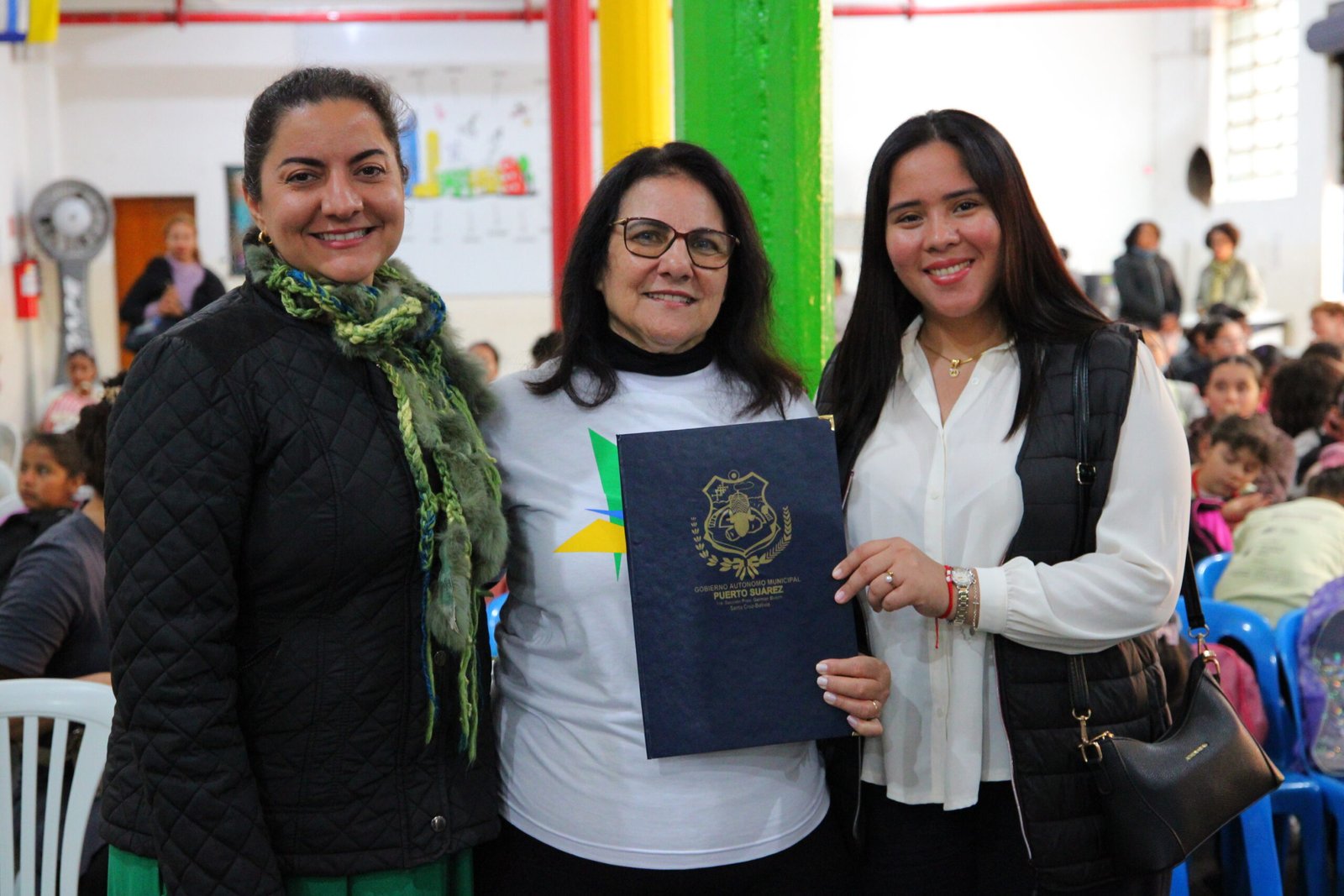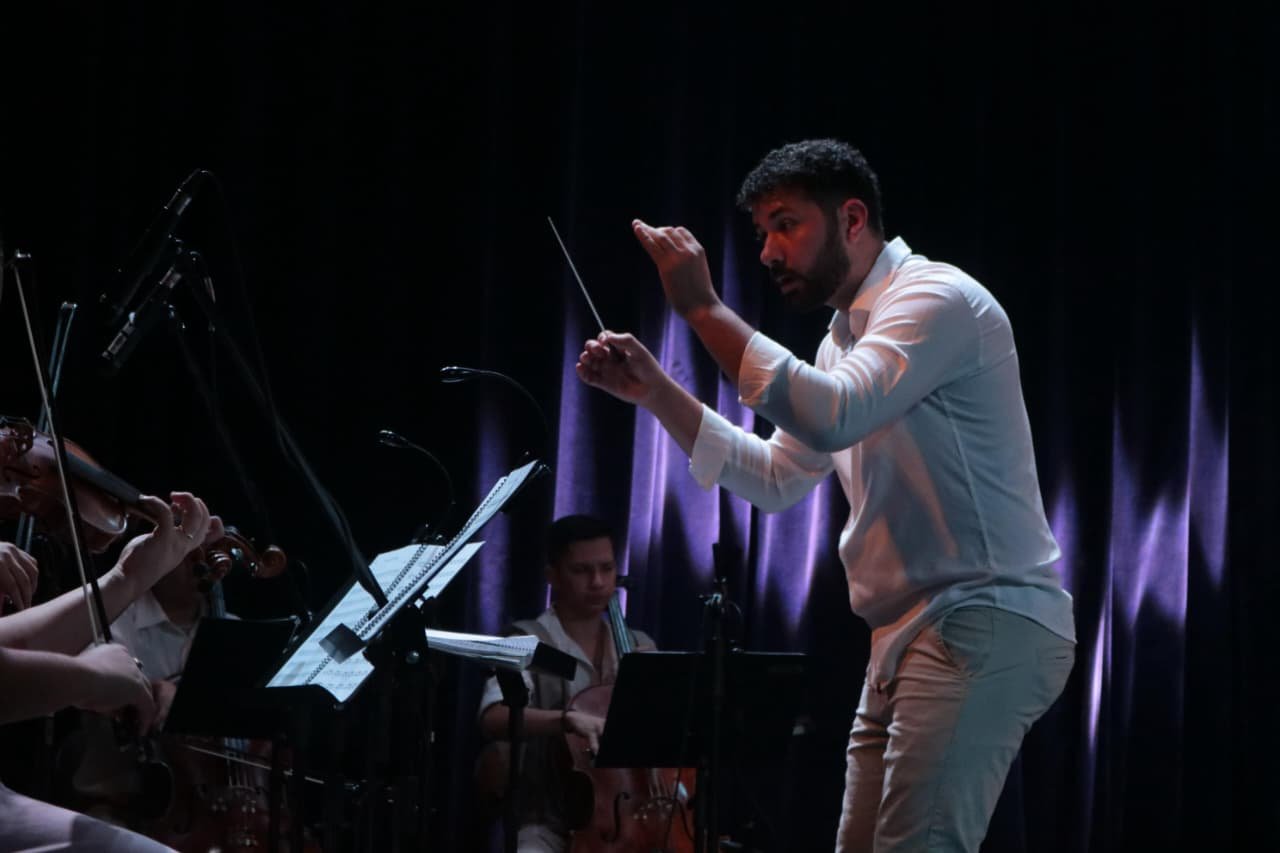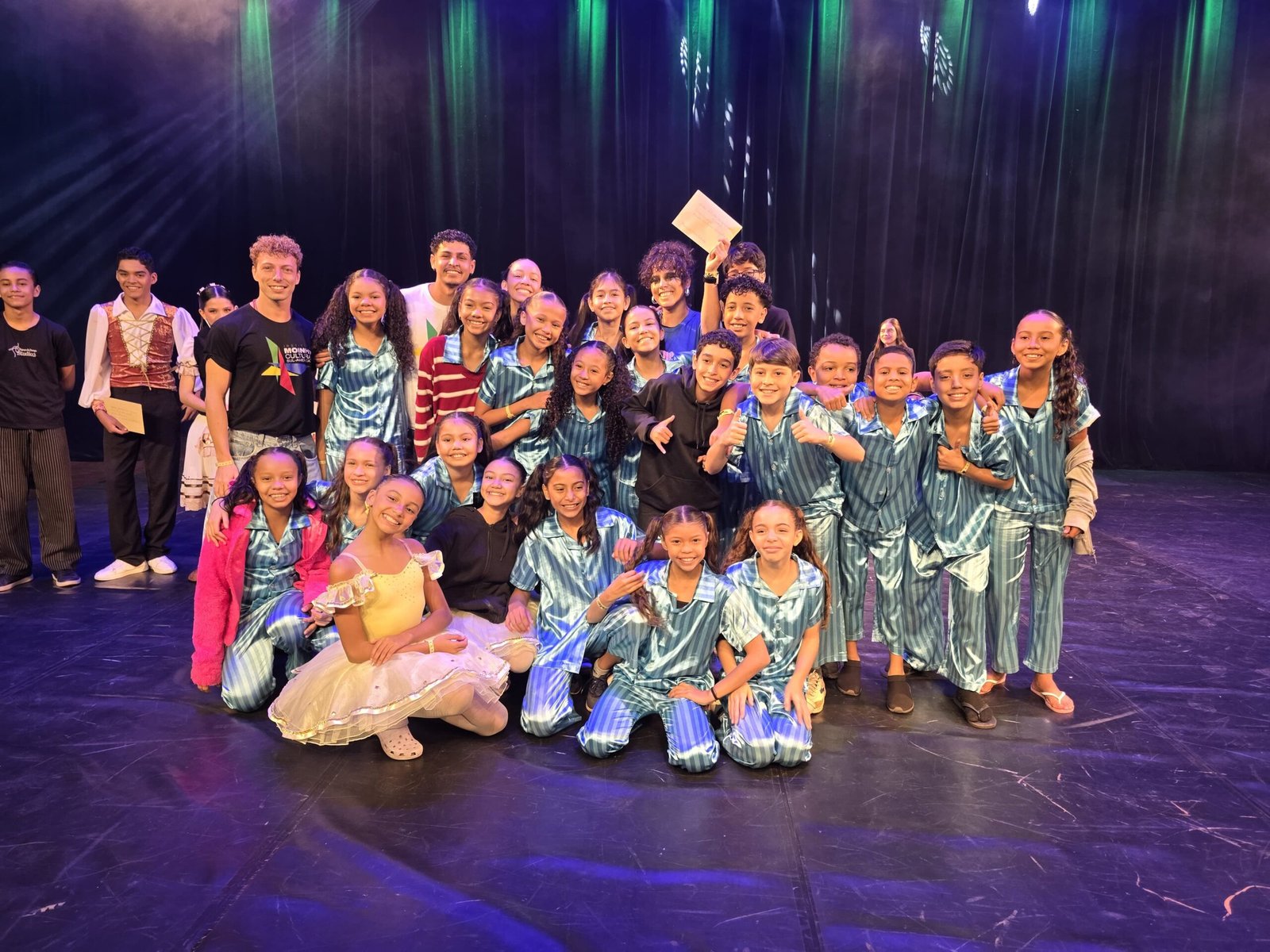
The knowledge of transforming cattle hide, in Pantanal style, into different pieces for rural and urban use is being taught to young people from the Instituto Moinho Cultural Sul-Americano (South American Moinho Cultural Institute). The workshop takes place at the Memorial do Homem Pantaneiro, in Corumbá, and is led by craftsman Matias Silva, with support from the Instituto Homem Pantaneiro (IHP) and the Instituto Moinho Cultural Sul-Americano. The workshop is funded by the Fundo de Investimentos Culturais (FIC/MS), from the Fundação de Cultura de Mato Grosso do Sul (FCMS).
Activities began on Monday (21) and run through Friday (25), in the morning and afternoon periods. Through demonstrations and hands-on activities, master craftsman Matias seeks to value and spread the knowledge, practices and way of life of the men and women who live in the Pantanal, especially in the Nhecolândia and Paiaguás regions.
The sociologist at IHP, Wanessa Rodrigues, points out that this work is a great expression of Pantanal culture, while also being tied to the economic factor. “There are several cultural elements, especially the intangible ones linked to the Pantanal, that need to be recognized and spread as formative of the local culture. Master craftsman Matias turns his trade into an art and an economic product typical of this region.”
“Knowing about our culture, our customs and riches, are the elements that shape our identity and that promote the cultural diversity of a people, of a society. In this way, each individual who retains information about their people will protect and spread it so that this culture is not forgotten. The Oficina de Saberes Pantaneiros (Pantanal Knowledge Workshop) makes us aware of the proper value of our past, and of what is part of our lineage. Seeing the riches that nature gives us is also very important for its preservation; each participant who leaves this workshop will certainly pass it on, and in the future, we hope that we will be great keepers of our Pantanal culture,” highlighted Kaíza Alves, coordinator of the Instituto Moinho Cultural Sul-Americano.
Born in the Pantanal
Matias Silva was born and raised in the Pantanal. He was born by the hands of midwife Demétria, at Fazenda São Roque, in the Pantanal do Paiaguás, in Corumbá. He learned to read only at age eight because at the time, there was no school. The way was to learn with a private tutor hired by the farm owner, who taught the region’s children.
Divulgação/Sebrae
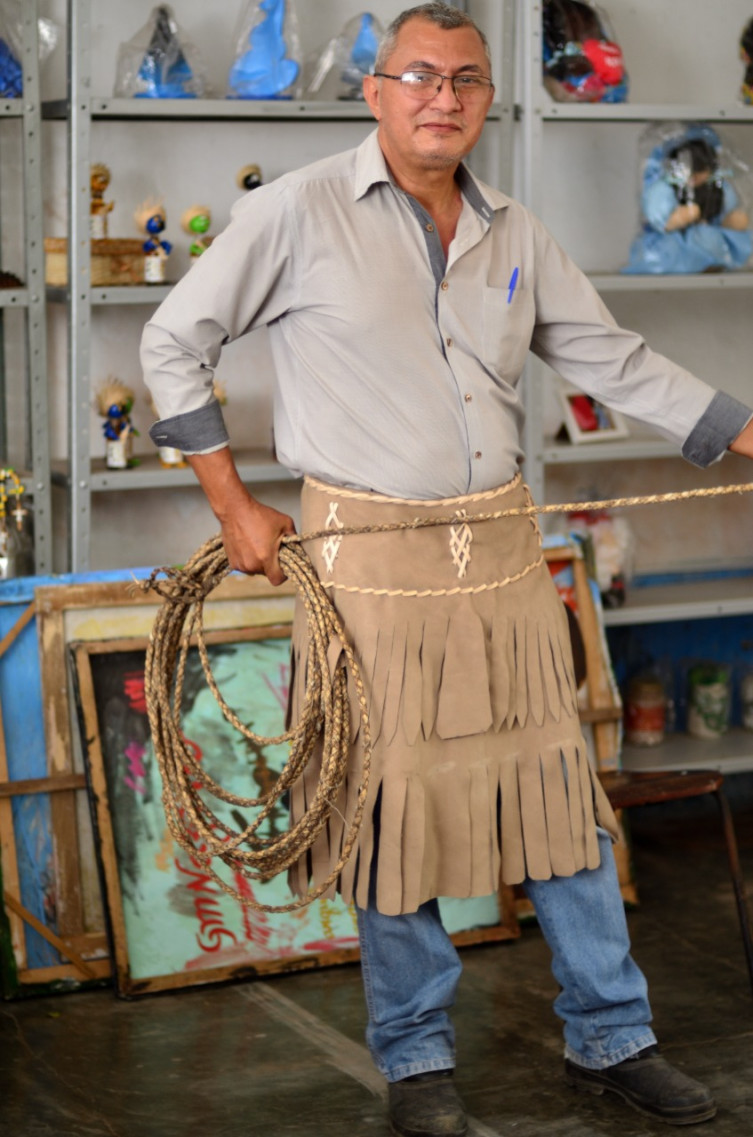
Matias also takes part in fairs and exhibitions to promote Pantanal craftsmanship
He learned the saddlery trade as a child. On the farm, there were no options of materials to buy, and the alternative was to produce leather pieces right there. Craftsman Matias holds knowledge of the entire process, from tanning cattle hide to making saddlery pieces and leather accessories. “The tanning of the cattle hide is done with bark from native trees, such as Ximbuva and Jatobá,” he said.
Teaching what he learned was an old dream of Matias’s. “This project is a dream come true, because it is a culture that is disappearing, the learning that came from the countryside is no longer seen. I always wanted to pass on what I learned to young people, and this is being made possible through this project. So even though today they are connected to technology, to the media, when you talk about it, show them how it used to be to acquire goods, their ‘gear’, they get interested and want to know more and more. It’s a curiosity that holds their attention, they really want to learn,” he concluded.
The pieces produced by Matias Silva are sold at Casa do Artesão, located on Rua Dom Aquino, 405, downtown Corumbá. There is also a stand for the craftsman at the Corumbá Produz space, at Porto Geral.