The Brazilian Pantanal will host the largest forum on the conservation and sustainable use of the biome. The Pontes Pantaneiras (Pantanal Bridges): Conectando pessoas, cultura, biodiversidade e sustentabilidade (Connecting people, culture, biodiversity and sustainability) will take place on August 16, 17 and 18, at the Centro de Convenções Rubens Gil de Camillo, in Campo Grande, Mato Grosso do Sul. See the full schedule here. The Instituto Homem Pantaneiro (IHP) team will take part in the event and will present initiatives developed for conservation in the territory based on actions linked to Protected Areas in the Pantanal and Fire Brigades and firefighting initiatives.
Ranchers, community leaders, traditional communities, indigenous peoples will also be involved, as well as researchers, academics, investors, cultural producers, tourism agents; from non-governmental organizations to the public and private sectors, and also the press, to discuss and celebrate possibilities for a sustainable future for the Pantanal.
The Fórum Pontes Pantaneiras is organized by IPÊ – Instituto de Pesquisas Ecológicas, Embrapa Pantanal, University College London, the Smithsonian Institution and ICMBio/CENAP, with support from the United States Embassy and Consulates in Brazil.
The event is free, non-profit, and registration remains open to the public. Over the three days of the forum, around 15 round tables and panels will bring together more than 100 panelists to discuss successful conservation cases and reflect on positive changes that value the people, the culture and the natural capital. The public will have the opportunity to learn about the challenges of developing strategies aimed at offering income alternatives, conserving biodiversity and promoting sustainable ranching, among other topics.
One of the event’s biggest goals is to increase the visibility of the Brazilian Pantanal both nationally and internationally. Another focus is to encourage alliances between ranchers, traditional communities and indigenous peoples to exchange experiences, innovative projects and sustainability initiatives, as well as attract investors to contribute to the biome’s sustainable development.
Statements about the event
“Brazil can lead a global agenda of change with the authority of a country that protects its megabiodiversity, and the Pantanal manages to establish a successful coexistence between the Pantanal people and biodiversity. We want the biome to take center stage this year, which promises to mark the return of international community efforts toward Brazil’s environmental conservation,” says Cristina Tófoli of IPÊ – Instituto de Pesquisas Ecológicas, one of the organizing institutions of the forum.
To that end, two of the main fronts to be developed to foster the region’s economic development, addressed at the event as solutions, are sustainable ranching and ecotourism. An Embrapa analysis conducted in 2022 found that technological assets and sustainable agriculture production systems adopted in Brazil are gaining prominence and attracting the interest of international scientific and multilateral bodies.
In addition, ecotourism was the main reason for one in every four domestic leisure trips taken in Brazil in 2021. The data from the Boletim do Turismo Doméstico Brasileiro (Brazilian Domestic Tourism Bulletin), developed by the Ministry of Tourism and the Instituto Brasileiro de Geografia e Estatísticas (IBGE), shows how powerful the activity has become in Brazil. The segment has already made the list of reasons that expanded travel around the country, with a 5% increase compared to the previous year (2020).
The Pantanal has global importance due to its rich fauna and flora, which includes populations of endangered and emblematic species for Brazil, such as jaguars, giant otters, tapirs, marsh deer and hyacinth macaws.
Besides its incomparable biodiversity, the Pantanal is a unique example of integration and sustainability, combining a rich traditional culture and an economy based mainly on ranching and ecotourism. In its flooded plain, about 80% of the native vegetation remains well preserved. And more than 65% of the Cerrado’s vegetation cover in the surrounding plateaus has been converted into cultivated pastures and farmland, according to an article published in 2016.
“Any regional development initiative should focus on improving the quality of life of the Pantanal people and valuing their culture, their natural capital and the products of the Pantanal region, with a focus on sustainability and the conservation of this National Heritage. It is up to science to generate knowledge to support this process, guiding decision-making, and it is up to the public authorities to develop policies based on this knowledge to support the pursuit of sustainability. Pontes Pantaneiras comes with the purpose of establishing these bridges for the benefit of the biome and its people,” reports Walfrido Tomas, researcher at Embrapa Pantanal.
“Although we cannot ignore the threats, real change will not come from a defeatist mindset, but requires the positive energy generated by focusing on innovative solutions and technological and social advances. Pontes Pantaneiras aims to inform, inspire, fascinate, delight and, most importantly, leave people with hope for the Pantanal and with ideas on how to get involved in its conservation, culture and nature. The forum wants to create a platform to connect the many individuals and organizations that are already working successfully to secure a future for the biome, with an effective alliance and network,” notes Peter Leimgruber, Head of the Smithsonian Institution’s Conservation Ecology Center.
“Environmental protection is a priority for the United States government, and we will do everything we can to support Brazil in its goals for reducing carbon emissions and deforestation. The Pantanal has a very important role in this, since all Brazilian biomes are interconnected. We want to work together with the public sector, the private sector and civil society to increase the Pantanal’s visibility in Brazil and around the world and contribute to its sustainable development,” said the US Consul General in São Paulo, David Hodge.
“This will be a space open to the exchange of knowledge, ideas and opinions that should be in synergy with the research and communication skills of all participants,” notes Ronaldo Morato, director at ICMBio/CENAP.
“The forum brings a perspective rarely seen before in the Pantanal: looking at the glass half full. The event will be a moment to celebrate the Pantanal; to celebrate the people, the culture; to celebrate this region that still manages to align, almost uniquely, local development and biodiversity protection,” assesses Rafael Chiaravalloti, professor of Environmental Anthropology at University College London (UCL) and associate researcher at IPÊ.
“Every opportunity for dialogue and closer ties between institutions is fundamental so that effective conservation actions can be achieved that address the different approaches that exist in the territory. This convergence helps balance the sectors, which is a great challenge,” indicates Ângelo Rabelo, president of IHP.
Opening and schedule
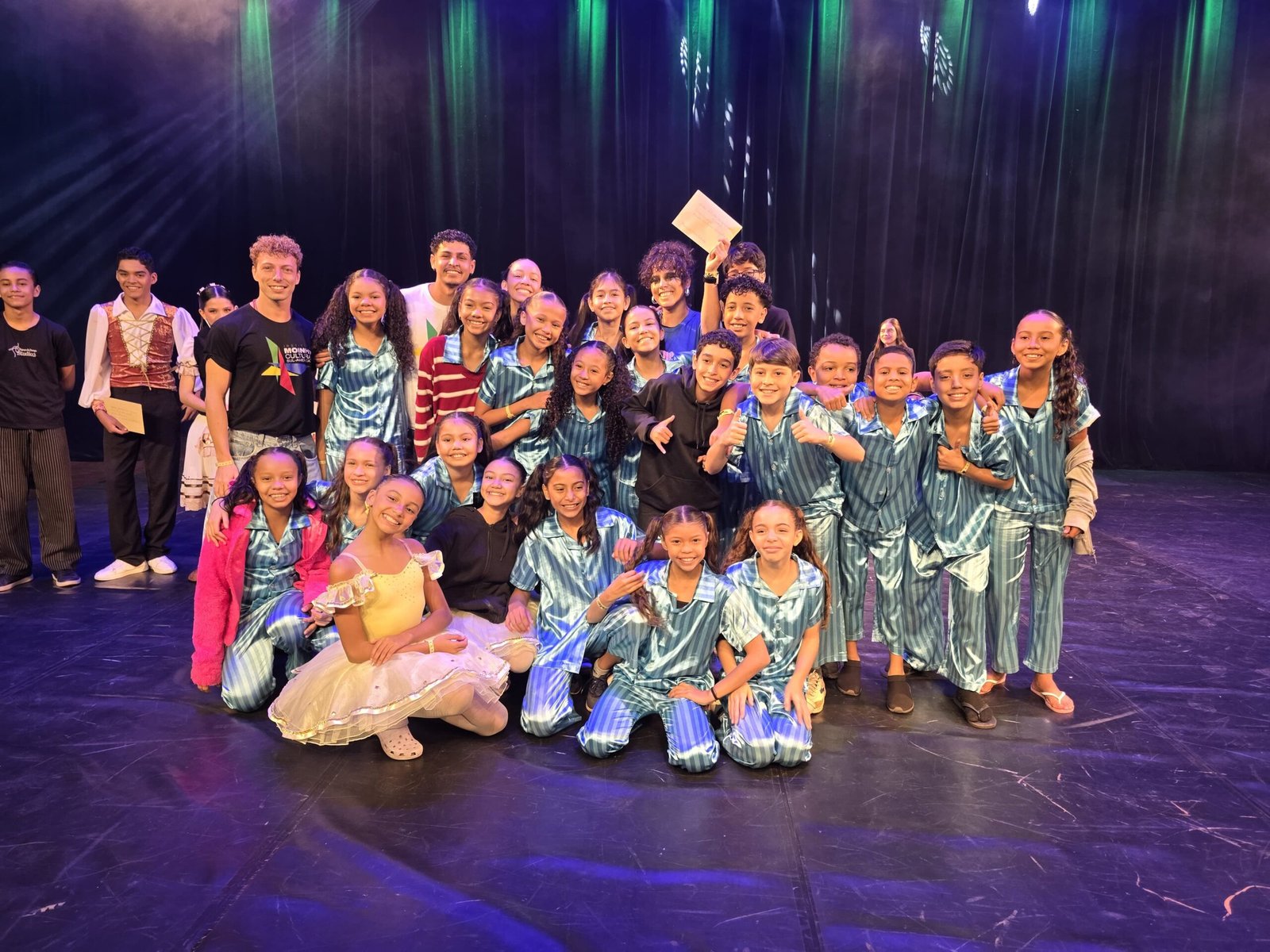
The event’s opening will feature a cultural performance by the Cia. de Dança do Pantanal (Pantanal Dance Company), linked to Moinho Cultural, with the show Guadakan.
The Instituto Homem Pantaneiro (IHP) takes part in the event through two initiatives. They are scheduled to take place on August 17 and 18, and involve presentations of actions linked to Protected Areas in the Pantanal and Fire Brigades and firefighting initiatives.
Event information:
Fórum Pontes Pantaneiras: Conectando pessoas, cultura, biodiversidade e sustentabilidade
August 16, 17 and 18
Centro de Convenções Arquiteto Rubens Gil de Camillo – Campo Grande/MS
Free admission