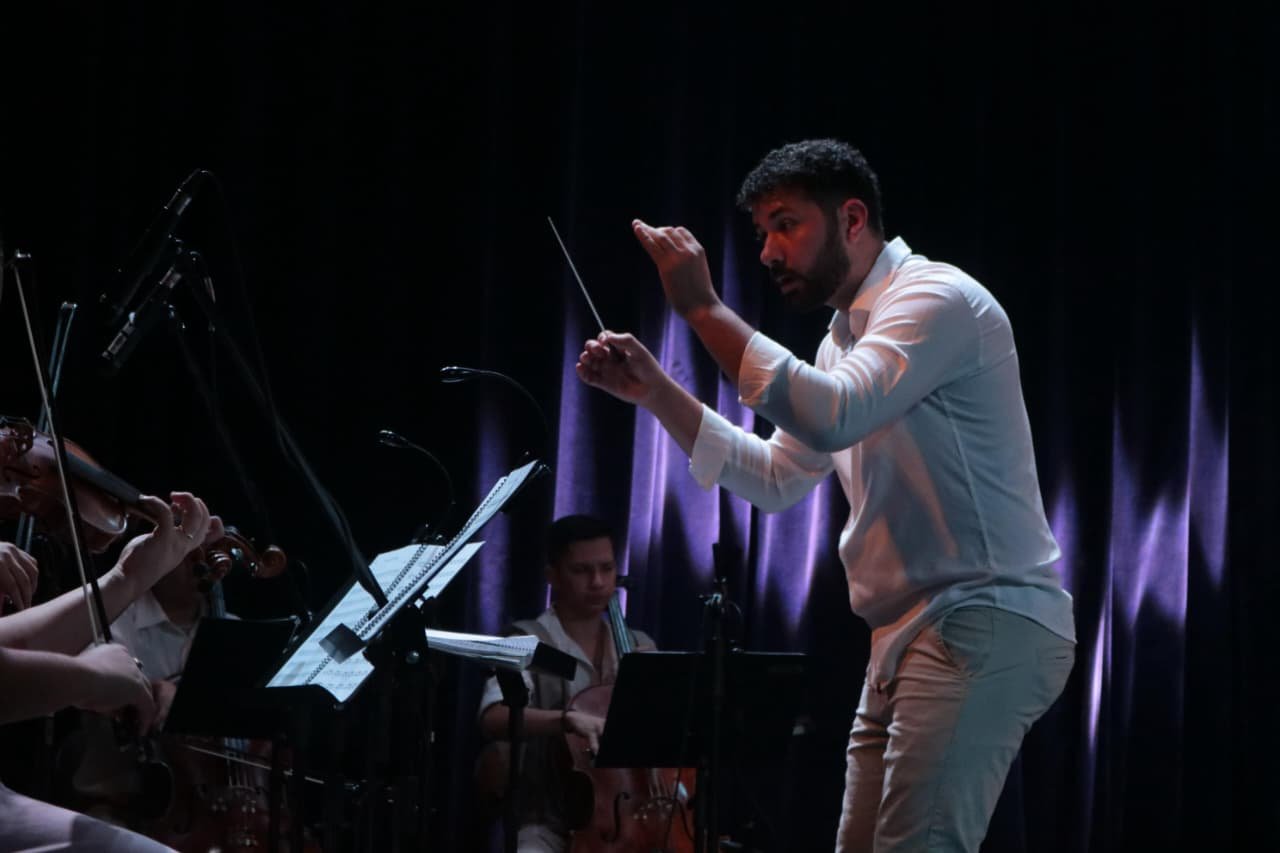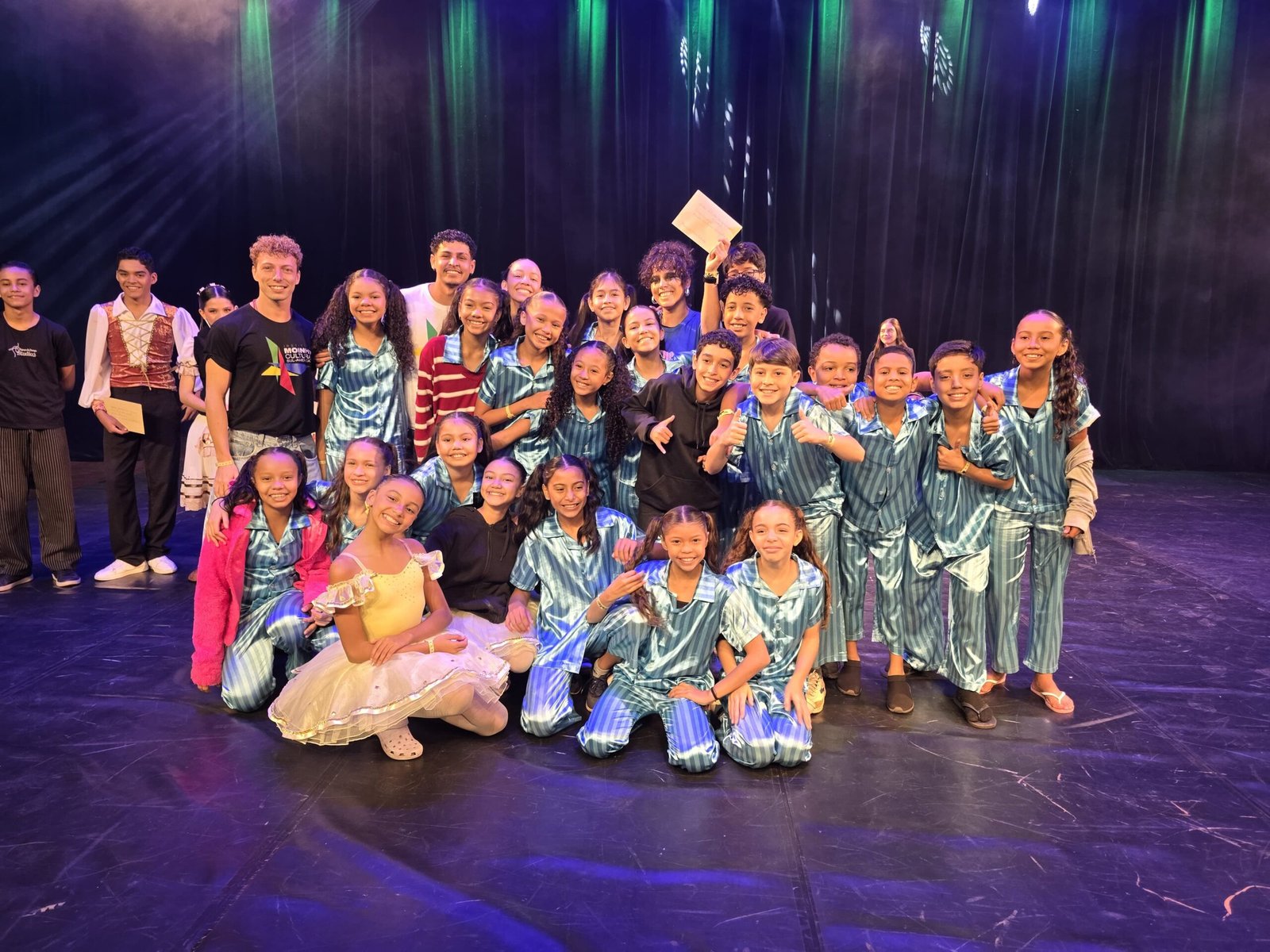
The symbolic force of the Pantanal will be translated into music and dance this Friday, March 27, in Campo Grande. As part of the program of the 15th Conference of the Parties to the Convention on Migratory Species, COP 15, the Orquestra de Câmara do Pantanal (Pantanal Chamber Orchestra) and the Cia de Dança do Pantanal (Pantanal Dance Company) present the show ‘Guadakan’, at 7 p.m., at Teatro Aracy Balabanian, with free admission.
Before the main performance, the audience will be able to watch the Regional Concert, performed live by 20 musicians from Corumbá and the Capital. Afterwards, a shortened version of ‘Guadakan’ will be staged, lasting about 20 minutes, bringing together six dancers and three musicians on stage.
The production was adapted for a leaner lineup, but keeps the original proposal of the work, inspired by biodiversity, the cycles of life, and the cultural strength of the Pantanal. The show proposes a reflection on the relationship between art, nature, and territory, based on the importance of migratory species and the need for environmental preservation.
On stage, music and movement intersect to represent the Pantanal as a living territory, marked by cultural diversity, ancestry, and the connections between Brazil and Bolivia. The idea is to offer the audience a sensory experience that also invites reflection on each person’s role in the conservation of this ecosystem.

The artistic director of the Instituto Moinho Cultural Sul-Americano (South American Moinho Cultural Institute), Márcia Rolon, says the work speaks directly to the environmental debates surrounding the conference. “When we bring the Pantanal to the stage, we are talking about a territory that feels, every day, the impacts of climate change. Art has the power to raise awareness, to provoke reflection, and to reconnect people with nature. Being in tune with this debate, which is also driving COP, is to affirm that culture and the environment move forward together,” she highlights.