In different regions of Brazil, the Pontões de Cultura (Culture Hubs) have been taking on a strategic role in weaving together cultural networks, connecting local initiatives, strengthening territories, and expanding the reach of public policies. More than spaces of support, these Pontões function as living structures of coordination, where culture, environment, education, and citizenship meet and strengthen one another.
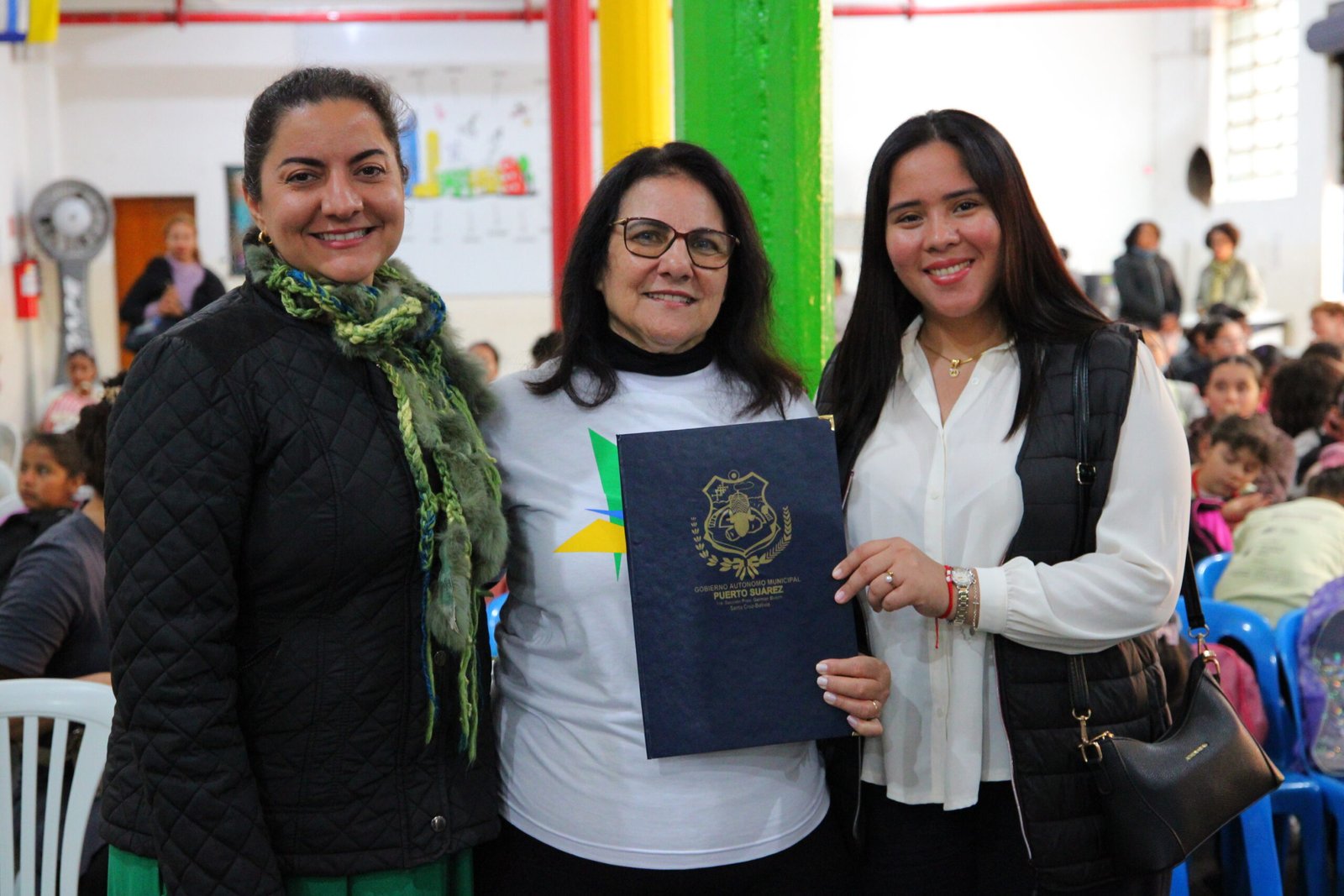
In Mato Grosso do Sul, this work takes shape in the experience of Márcia Rolon, founder and artistic director of the Instituto Moinho Cultural Sul-Americano (South American Cultural Mill Institute). For her, the role of the Pontão goes well beyond organizing cultural activities. “The Pontão de Cultura is a big hub. It plays a fundamental role of coordination, listening, training, and mobilization. It acts as a link between the Pontos e Pontões de Cultura (Culture Points and Hubs), strengthening the network within the territory, fostering gatherings and exchanges of experience, and supporting collective organization”, she says.
This logic of connection materializes in everyday practice, especially in territories marked by geographic distances and cultural diversity. “Our role is to be a connecting node, linking people, organizations, communities, and cultural actions into a network. Each territory has its own reality, its own culture, its own way of doing things, and our role is to build bridges so that these experiences meet, recognize one another, and strengthen one another”, she explains.
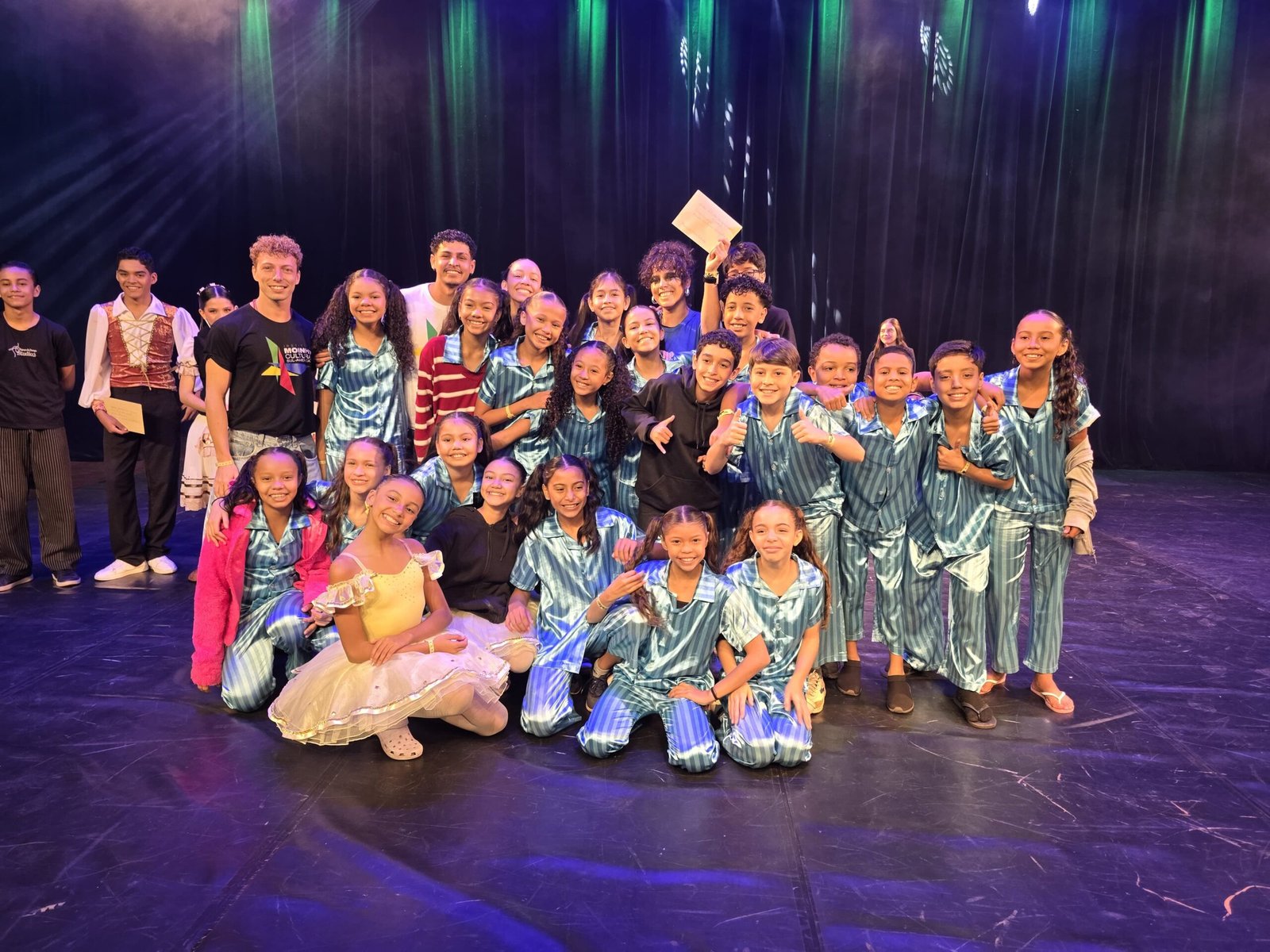
In the context of the Pantanal, cultural work is directly interwoven with the debate on climate justice. “We are inside the largest flooded plain on the planet; we watch the waters rise and fall every day and we feel the pain of the wildfires. Through artistic training and cultural production, we seek to make children, young people, and communities aware of the impacts of climate change”, she stresses. According to Márcia, culture plays a central role in building new ways of relating to the territory. “We believe in transformation through art to build a relationship of respect and balance with this environment that is ours.”
In the Distrito Federal, the experience of Teatro Mapati, led by Tereza Padilha, reinforces the importance of continuity in cultural work and of building local networks. Closeness to the community is one of the pillars of this work. “We have strong contact with the public school right across from Mapati, and with that we are able to promote local culture while supporting production together with the community”, she explains.
The space’s work speaks directly to the principles of Cultura Viva (Living Culture) by promoting inclusion and access to the arts. “At Mapati there is a very long history of social participation and inclusion, promoting the democratization of access to the arts for all people. This reflects the ideals of the policy of the Pontos de Cultura and of Cultura Viva”, she says.
Continuing education emerges as a structuring axis of this work. “Continuous action is essential for cultural and social development. It strengthens cultural identity, promotes inclusion and diversity, and develops skills that directly affect people’s self-esteem and lives”, she stresses. According to Tereza, this process also strengthens community bonds. “Each community comes to have more exchange, more connection, more social cohesion. This strengthens ties and constantly renews cultural life within the territory.”
In the South region, initiatives such as the Coletivo Abrigo (Abrigo Collective) show how culture can act in an integrated way with education and social assistance, especially in contexts of vulnerability. In Porto Alegre, the collective develops actions in territories affected by historical processes of exclusion and, more recently, by floods.
“Our work begins from presence. We believe that, before any project, there is listening, connection, and commitment to the territory and the people who live there”, says Tiago Santos, executive director of the organization.
From this logic, culture becomes a tool for social reconstruction. One of the collective’s main projects, the Museu Louvre da Periferia (Louvre Museum of the Periphery), exemplifies this impact by turning the territory into a space of memory and belonging. “In a context of stigmatized territories, giving new meaning to these places is a way of restoring belonging and dignity to those who live there”, he stresses.
The impact of these actions can be seen in concrete stories. “One resident told us she saw her street on television and said: ‘that’s where I live’. She said she had never spoken with such pride about the place where she lived”, he recounts.
Beyond its symbolic dimension, the work also brings together training and local development. “We organize courses, training, and educational activities in partnership with schools. Art and education are allies in the project of integral development of the communities”, he explains.
This link between culture and the rebuilding of social bonds becomes even more evident in times of crisis. “After a flood, the territory does not only need infrastructure; it needs to rebuild the sense of community. That is where culture comes in, in a very concrete way”, he says.
Other initiatives in the South region, such as Assophia and the Associação dos Escultores do Estado do Rio Grande do Sul (Association of Sculptors of the State of Rio Grande do Sul), reinforce the role of culture in preserving memory and valuing heritage, contributing to the building of identities and the strengthening of territories.
By connecting these experiences, the Pontões de Cultura expand the reach of cultural actions and strengthen a national network that acts directly in the territories. This movement gains even more force in spaces such as the 6ª Teia Nacional dos Pontos de Cultura (6th National Network of Culture Points), which, in the words of Márcia Rolon, represents “our meeting of perspectives, the moment of listening and of collective building”.
“The Teia Nacional is the network face to face. It is the moment to recognize oneself within another’s cultural practice, to strengthen the knots of this network, and to reaffirm Cultura Viva as a policy built from the territories”, she says. By bringing together experiences as diverse as those of the Pantanal and the urban outskirts of the South, the Teia shows that culture is a central element in building collective responses to contemporary challenges, including climate justice, social inclusion, and the strengthening of cultural identities.
Rede Nacional de Cultura Viva (National Living Culture Network)
Brazil currently has more than 15,500 organizations recognized as culture points, which can access public policies that fund culture.
The Cadastro Nacional de Pontos e Pontões de Cultura (National Registry of Culture Points and Hubs) is the main instrument of the Política Nacional de Cultura Viva (PNCV) (National Living Culture Policy), which for more than two decades has strengthened community cultural initiatives and expanded access to public resources for cultural actions carried out in the territories.
Coordinated by the Ministério da Cultura (Ministry of Culture), the Cadastro Nacional de Pontos e Pontões de Cultura has reached recognized organizations across the country, present in all 26 states and the Distrito Federal. Between January 2023 and March 2026, more than 10,000 certificates were issued, a 246.5% increase over the 4,329 certificates granted between 2004 and 2023.
Spread across the entire national territory, the Pontos de Cultura carry out activities ranging from art workshops and cultural training to the preservation of popular festivals, research on cultural heritage, and efforts to value local identities.
Teia Nacional
From May 19 to 24, 2026, the 6ª Teia Nacional dos Pontos de Cultura will be held, the largest gathering of the Cultura Viva network in the country. This edition takes place in Aracruz (ES), marking the event’s return after 12 years and, for the first time, on Indigenous land. With the theme “Pontos de Cultura pela Justiça Climática” (Culture Points for Climate Justice), the Teia will bring together cultural agents, masters of popular cultures, traditional peoples and communities, public managers, and representatives of civil society from every region of Brazil.
The event is organized by the Ministério da Cultura, the Espírito Santo State Government, the Prefeitura de Aracruz (Aracruz City Government), and the Comissão Nacional dos Pontos de Cultura (CNPdC) (National Commission of Culture Points), in partnership with the Instituto Federal do Espírito Santo (Ifes), Sesc, TVE, Unesco, and the IberCultura Viva program.