The Instituto Moinho Cultural Sul-Americano has been advocating, in Corumbá, for the Spanish language to be made co-official in the Pantanal municipality, which borders Bolivia. Last week, Moinho Cultural’s executive director and member of the Conselho Municipal de Política Cultural de Corumbá (Corumbá Municipal Council for Cultural Policy), Márcia Rolon, presented the proposal to city council members. It is an idea from Moinho Cultural counselor and professor of the Letras (Languages) program at CPAN (Câmpus Pantanal) of UFMS (Universidade Federal de Mato Grosso do Sul), Suzana Vinicia Mancilla Barreda.
Today, more than 50 Brazilian municipalities have co-official languages, including indigenous and immigrant languages. In the case of immigrant languages, most are concentrated in the southern region of the country, which was strongly influenced by European colonization. In Mato Grosso do Sul, there are already two municipalities with co-official indigenous languages: Tacuru (Guarani language) and Miranda (Terena language).
“Portuguese is the official language of the Federative Republic of Brazil, however, our country is made up of various indigenous peoples and immigrants, whose languages represent their culture and identity. These languages are undergoing co-officialization processes in their respective spheres, as recognition of the wealth of intangible heritage they make up,” explains the Moinho Cultural counselor.
Suzana says the idea of proposing the co-officialization of Spanish in Corumbá arose from discussions raised in a lecture she gave at the invitation of Reme (Rede Municipal de Ensino, Corumbá Municipal Education Network), in August of this year. On that occasion, educational and language policies were discussed during the I Congresso Multidisciplinar de Educação da Reme (1st Reme Multidisciplinary Education Congress).
For the professor, the co-officialization processes of indigenous languages and immigrant languages in Brazil respond to the increasingly evident multilingual and multicultural reality in the various contexts made up of peoples who move and occupy different places, carrying with them their culture and their language, intangible heritage that identifies the speakers of the various languages.
In Corumbá, Law No. 2,282, of December 20, 2012, established the Plano Municipal de Políticas de Promoção da Igualdade Racial (Municipal Plan of Policies for the Promotion of Racial Equality). In the item regarding education, the proposal already provided for “effectively adopting Spanish as a second language on this border.”
Suzana Mancilla explains that the co-officialization of Spanish in Corumbá would mean recognizing and valuing the participation of Spanish-speaking populations, such as Bolivians and Paraguayans, in the historical and social formation of the municipality. “In addition, it can support the multilingual border identity made up of Brazilian, Bolivian, Paraguayan families, among other nationalities. Co-officialization also highlights the presence of the Spanish language and its speakers in the daily life of Corumbá, whether in commerce or in schools, for example,” she explains.
By encouraging the education of Corumbá’s children and young people in Portuguese and Spanish, in the assessment of the Moinho Cultural counselor, they can gain access to a multilingual and multicultural world. Besides these two languages, Corumbá has other immigrant languages, such as Arabic, and indigenous languages, such as Quechua, Aymara, Guarani, Bésiro, Ayoreo, Guató and others, which are in transit, composing a rich and diverse sociolinguistic scene in the region.
“Making Spanish co-official in Corumbá means bringing all this lived reality into border cultural recognition legislation. Considering also its unprecedented nature, it can bring benefits to everyone, whether through the appreciation of local border culture or the socioeconomic potential it can generate for the municipalities in this region,” argues Suzana Mancilla.
Experience at Moinho Cultural
On average, 10% of those served by the Instituto Moinho Cultural Sul-Americano are Bolivian children and teenagers. This is a reality the institution has experienced since it began working in the border region, more than 18 years ago.
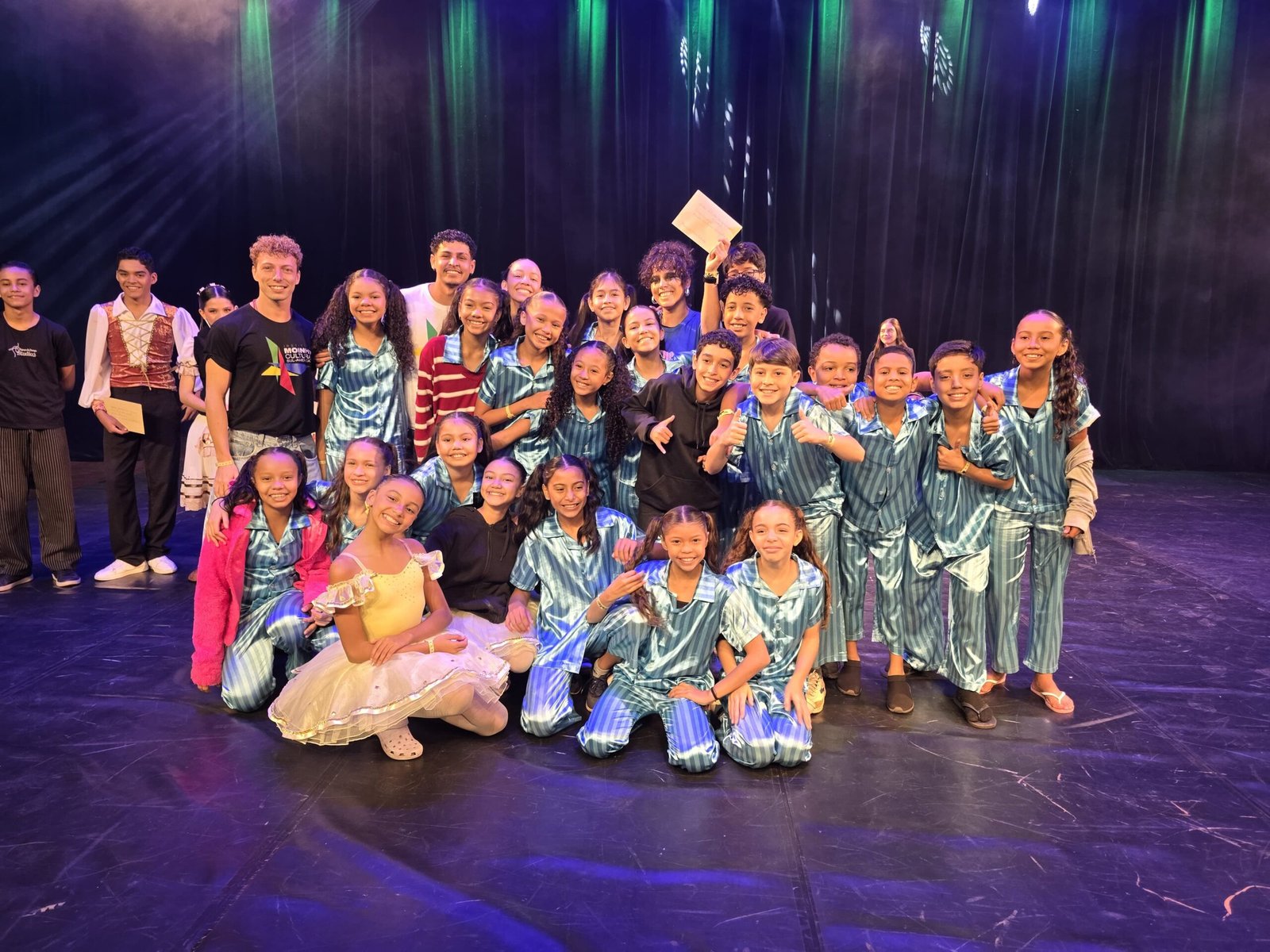
The institution guarantees access to music, dance and technology classes and, due to the particular border situation, also began offering “Language Practices,” using the translanguaging methodology. Both Portuguese and Spanish are the languages of communication in the training program offered free of charge by Moinho Cultural. Following the theoretical assumptions of translanguaging, the institution seeks equity and social justice, valuing and respecting the linguistic and cultural repertoire of the children and teenagers it serves.
Moinho Cultural’s executive director, Márcia Rolon, highlights the importance of co-officialization. “We brought this discussion to the City Council seeking support for co-officialization. Here at Moinho Cultural, the Spanish language is very present, as it is throughout the municipality. This shows how necessary co-officialization is and how much it will add,” she states.