The inclusive movement of the Moinho Cultural Sul Americano (South American Cultural Mill) in its work with 20,000 children and adolescents on the border between Brazil and Bolivia
By Luciana Vicária, Rede Galápagos (Galápagos Network), São Paulo
Dancer and choreographer Márcia Rolon grew up listening to her mother play Tchaikovsky on the piano at home and twirling around the room in a pair of pointe shoes. The Russian composer’s waltzes were as familiar to the girl as pliés, fondus, and jetés, steps typical of classical ballet. Even as a child, she showed a talent for the arts, going on to train in dance and become a dancer and choreographer, as well as a recognized leader of the country’s third sector. She is the founder and executive director of the Instituto Moinho Cultural Sul Americano, a civil society organization that helps change the reality of more than 20,000 children and adolescents in Corumbá (MS) and the surrounding area. Márcia was born in Corumbá, on the border between Brazil and Bolivia, a gateway for visitors to the Pantanal. Her hometown, which once had one of the country’s busiest river ports and preserves one of the richest biomes on the planet, lives with high rates of social inequality, violence, sexual exploitation, and drug trafficking.
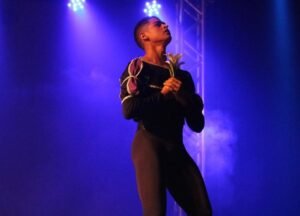
Kelven Alex: “It was very hard for my father to accept that I had chosen dance. Now he feels proud.” Photo: Moinho Cultural/Courtesy
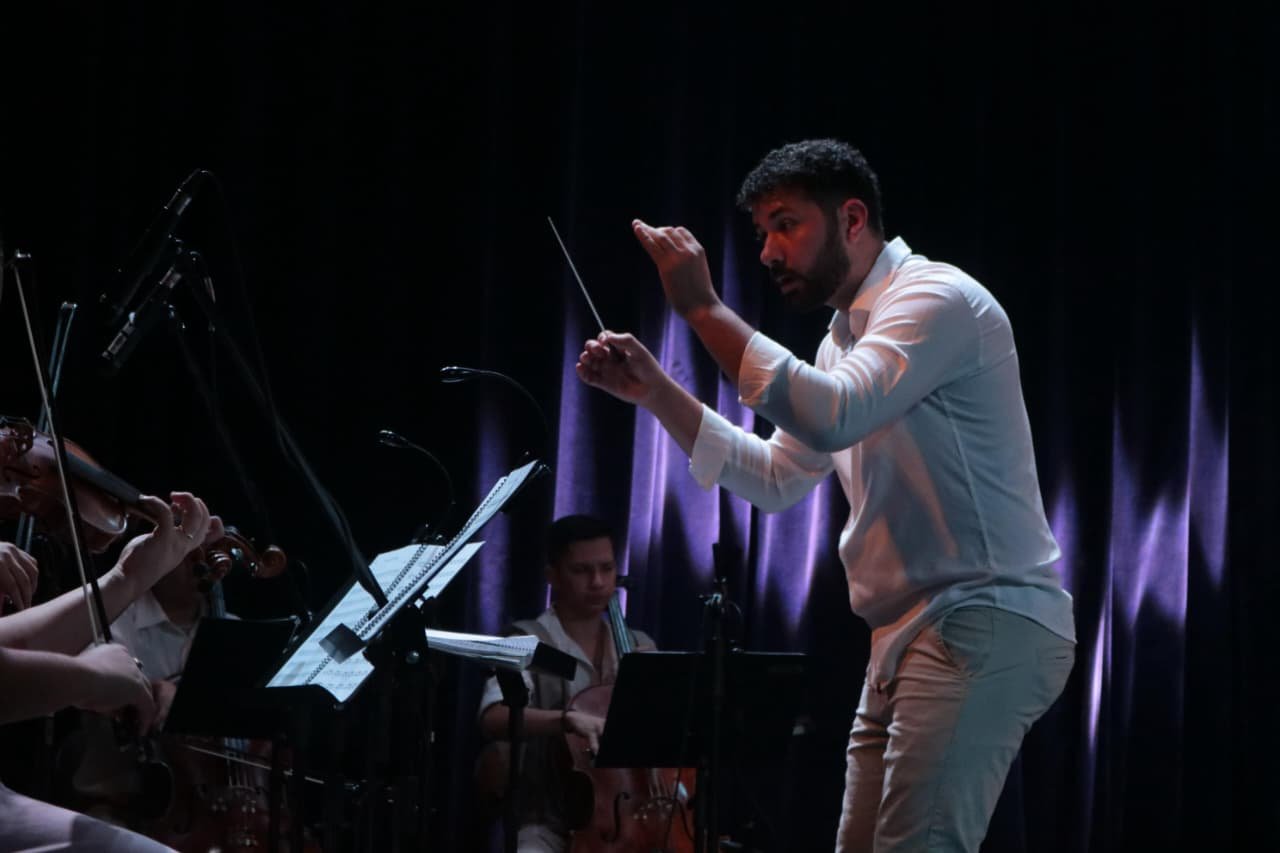
“It was in this setting that the idea was born to rescue children from vulnerability through a social project that combined music and dance,” says Márcia, who carried her dream forward. Her first step toward making that dream come true was bringing an international dance showcase to the city and awakening in the population a desire to have a local institution to foster culture for young people. She then envisioned her arts school in the abandoned building of an old wheat flour mill and set out to find sponsorship. Finally, she managed to revitalize the space and welcome the children. “In such a short time we came to have a music and dance group, as well as a technology center,” she says. The work of Moinho Cultural led to the establishment of what became known as the region’s Chamber Orchestra, the Cia de Dança do Pantanal (Pantanal Dance Company), and the Moinho Cultural Núcleo de Tecnologia (Technology Center).
Languages and Technologies
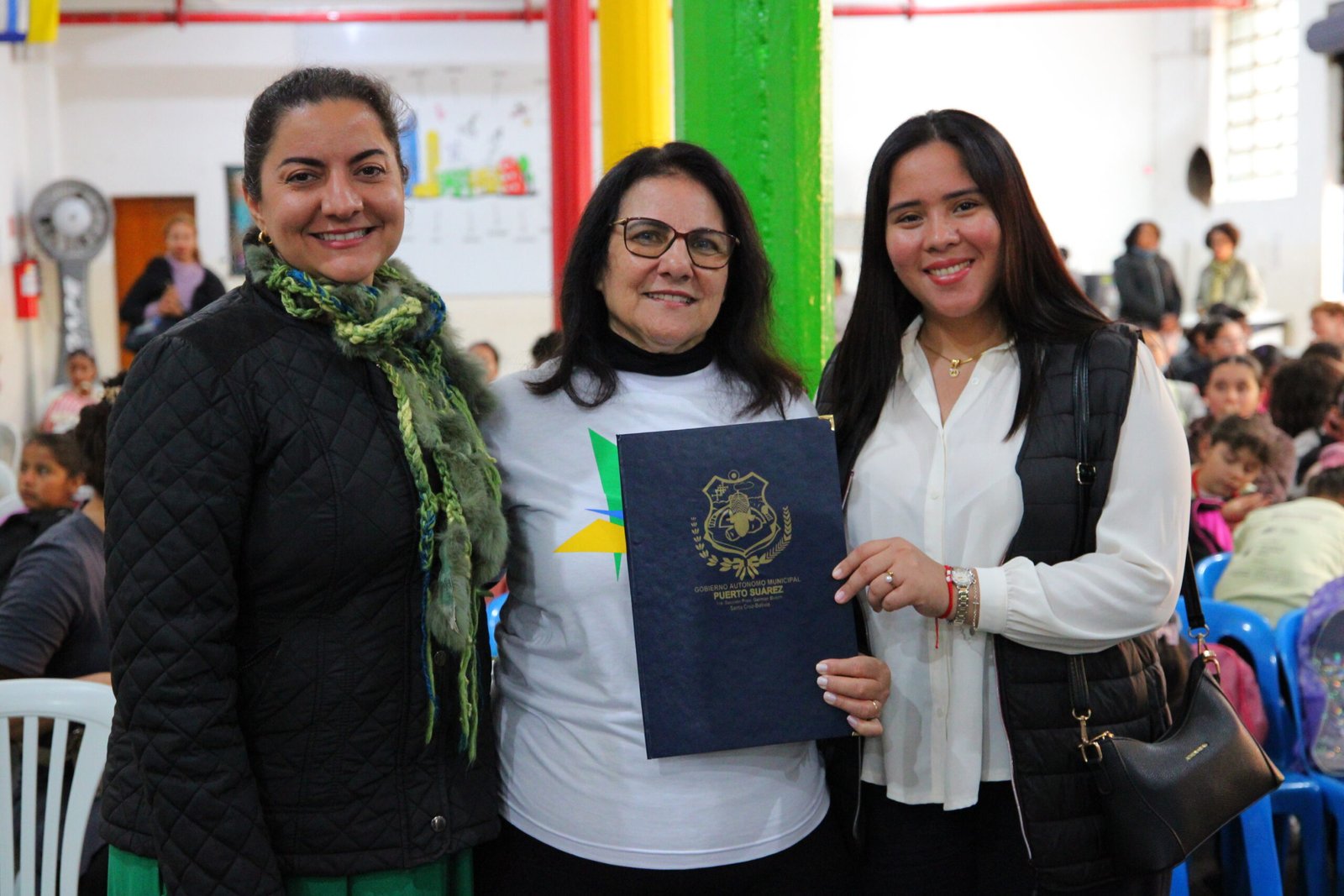
The Institute opened its doors as an arts school linked to the Instituto Homem Pantaneiro (Pantanal Man Institute), a private nonprofit organization created in 2002. In less than a decade it became an independent organization that offered classical music and dance, as well as school support — and an inclusive outlook toward the border. It gained recognition and financial support and went on to back the education of 400 children and adolescents from four border towns, two of them Brazilian: Corumbá and Ladário, and two Bolivian: Puerto Suarez and Puerto Quijarro.
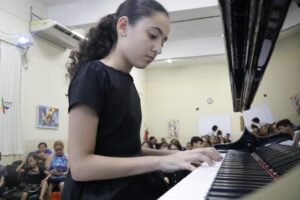
Samara Perucci Pascoal, 12, in a pre-pandemic photo: “What I miss most is dancing Swan Lake with the group.” Photo: Moinho Cultural/Courtesy
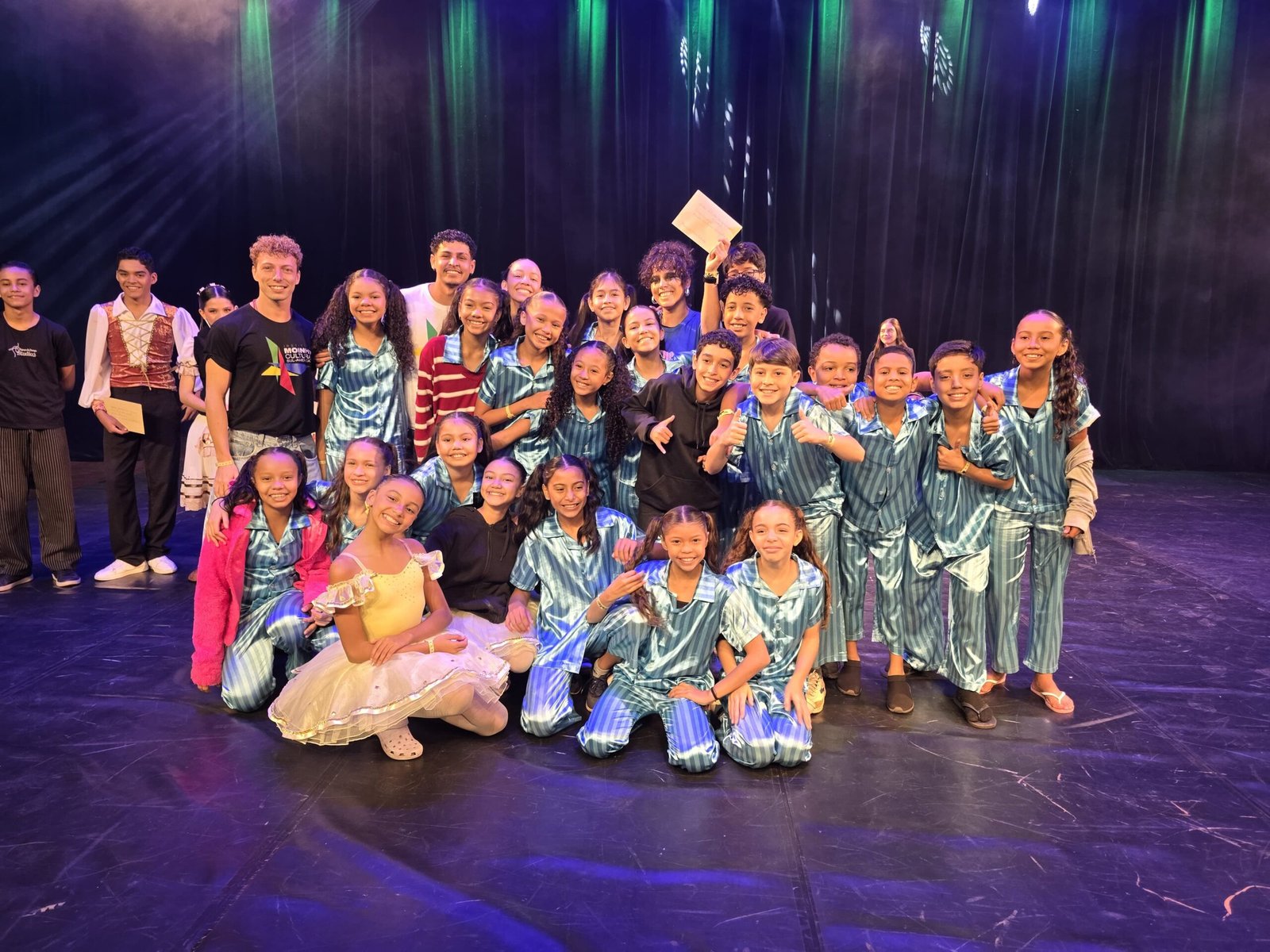
It also expanded its activities beyond art, music, and school support, with literature and technology classes for 20 hours a week. “The child who arrives at the institution tries a bit of everything, does classical ballet and music, has contact with technology, and develops in a well-rounded way. Some parents don’t like seeing their children in ballet, but most come around when they realize that art has no gender,” says Márcia. That’s what happened with Kelven Alex, 22, a dance teacher at Moinho Cultural, who joined the project when he was under ten years old. “I remember it was very hard for my father to accept that I had chosen dance. The teacher spoke with him personally, and things gradually changed. Now he feels proud,” says the dancer, a dance instructor at Moinho and a member of the Companhia de Dança do Pantanal, who has been teaching students remotely during the pandemic.
Chips, YouTube, and WhatsApp
Moinho’s reopening for virtual services, with online music and dance classes, took place 15 days after the quarantine decree was issued, in partnership with technology companies. The social team mapped out who had access to a computer and internet so that the projects could resume remotely. The institution provided equipment for those who did not have it, so that all enrolled students could have at least four hours of online classes per week.
All participants aged nine and up were registered and began receiving classes and training remotely. Moinho donated SIM cards that provide network access and began using its YouTube channel and WhatsApp groups to keep everyone together — families, children, adolescents, and teachers. Young Samara Perucci Pascoal, 12, six of those years spent at Moinho, enthusiastically follows the music classes. “What I miss most is dancing Swan Lake with the group, reading comic books during breaks, and playing with my friends. It doesn’t matter whether they’re Brazilian or Bolivian; when it’s time to play, it’s all the same thing,” says the girl.
Moinho invested the funds set aside for children’s snacks into 80 basic food baskets delivered every month to the most vulnerable families already served by the institution. With support from Itaú Social, it managed to nearly double its donation capacity to 150 baskets and add children’s literature books for the kids. The Moinho-Itaú Social partnership is already three years old and takes place through the programa Missão em Foco (Mission in Focus program). “We had the support of consultants to mobilize our board, so that today we actively count on the participation of families in the organization,” says Márcia, about the thorough governance work the institution has undergone.
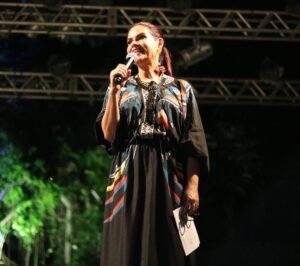
Márcia Rolon: music and dance to rescue vulnerable children. Photo: Moinho Cultural/Courtesy
What Lies Ahead
Every year, the Institute puts on Moinho in Concert, a themed year-end show featuring the students served by the institution, local technicians and others from around the country, as well as Brazilian artists and guests. The stars are the children and adolescents in the roles of dancers, instrumentalists, soloists, and choir singers. “It’s the high point of the children’s training, where they can show everything they’ve learned throughout the year,” says Márcia.
This work, focused on children and prioritizing the right to education, art and leisure, professional training, and culture, earned Moinho the title of public utility organization from the municipality of Corumbá and the state of Mato Grosso do Sul. The project now seeks to strengthen itself even further in the region and expand its reach to Colombia, Uruguay, and other countries.
After all, in recent years, Corumbá has been preparing for a major growth surge with the construction of the Trem do Pantanal (Pantanal Train), the paving of the Santa Cruz-Corumbá highway, and the completion of the Bolivia-Brazil pipeline. “Our children will be ready to face the changes that lie ahead,” says Márcia. “If I managed to turn a wheat mill into a dance school, what could possibly be impossible for them?”
Source: https://www.itausocial.org.br/noticias/arte-sem-fronteiras/?fbclid=IwAR3uyEVRUQJxaWW9xw_Q0M8waWaPmOMQG7-A5sPYxxpUuteo5EZ2iSbH6zg