Taxpayers can direct up to 3% of the tax owed to the Fund for Children and Adolescents, supporting initiatives such as the Instituto Moinho Cultural
Taxpayers who file their income tax return can direct part of the amount owed to social projects without paying anything extra for it. Brazilian legislation allows individuals to direct up to 3% of the tax owed to the Fund for Children and Adolescents, contributing directly to initiatives that promote education, culture and social inclusion throughout the country.
This possibility is still not widely known among the population, but it can make a significant difference for institutions serving children and adolescents in vulnerable situations. Such is the case of the Instituto Moinho Cultural Sul-Americano (South American Moinho Cultural Institute), in Corumbá (MS), which develops cultural and educational activities for young people in the border region between Brazil and Bolivia.
By choosing this allocation while filling out the return, the taxpayer does not pay more tax nor have their refund reduced. The allocated amount is already part of the tax that would be paid to the federal government. The difference is that the citizen themselves chooses that part of this resource be directed to social projects.
“The taxpayer doesn’t spend anything extra. They simply decide that part of the tax they would already pay can support initiatives that transform lives,” explains the Executive Director of the Instituto Moinho Cultural Sul-Americano, Mônica Macedo.
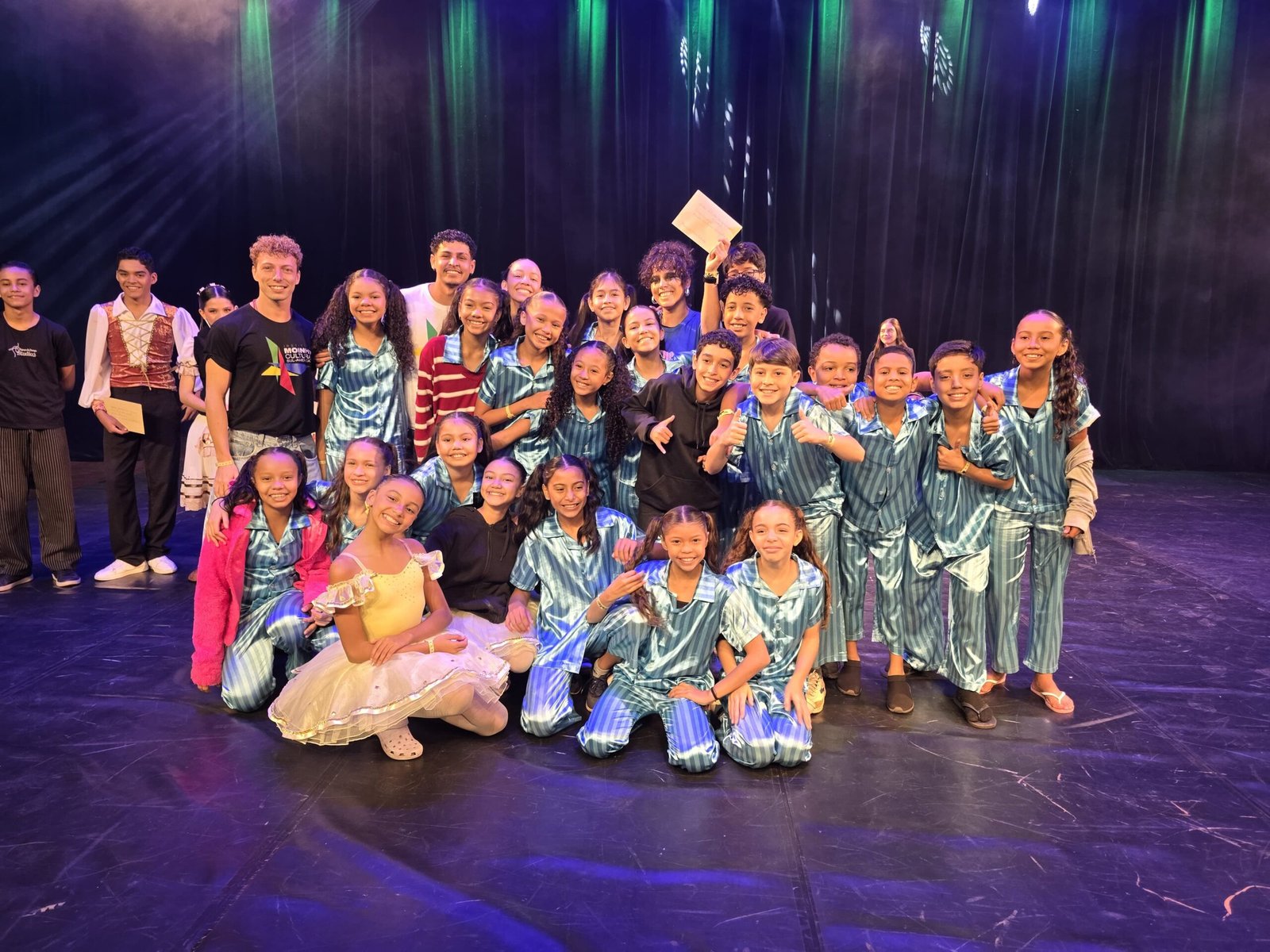
At Moinho Cultural, the resources directed to the Fund for Children and Adolescents help sustain activities that serve hundreds of children and adolescents from the border region, offering free access to artistic and educational training.
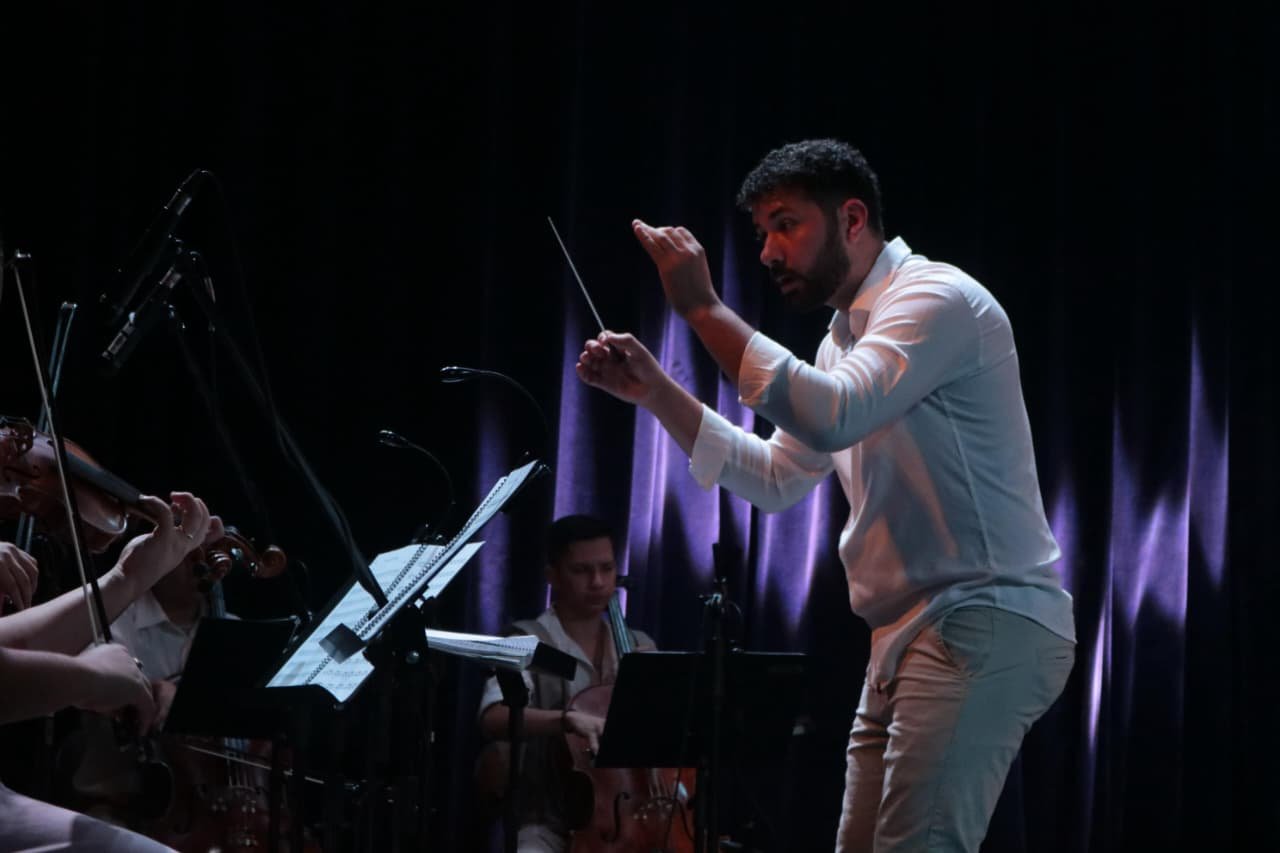
Among the activities developed by the institution are: music lessons and instrumental practice; dance and artistic training; education and school engagement activities; technology and digital inclusion; literature and reading encouragement; socio-educational and cultural actions.
In addition to pedagogical and cultural activities, the resources also contribute to the purchase of musical instruments, costumes, teaching materials, technological equipment and infrastructure for artistic performances.
According to Mônica Macedo, directing income tax is a direct way to support projects that impact the lives of young people in regions often far from major urban centers.
“When taxpayers direct part of their tax, they help expand opportunities for children and adolescents who find in art, education and culture a path to transformation. It’s a simple way to contribute to social development,” she states.
How to make the allocation
The allocation can be made directly in the income tax return software, under the option “Donations made directly in the return.” After indicating the amount directed to the Fund for Children and Adolescents, the system generates a DARF (federal collection form), which must be paid by the final deadline for filing the return.
To make the allocation, it is necessary to choose the complete return model, which allows the use of legal deductions. In the simplified model, this option is not available.
In addition to not generating additional costs for the taxpayer, the allocation also does not reduce the refund amount. If the taxpayer is entitled to a refund, the allocated amount is added to the refund, adjusted by the Selic rate. In cases where there is tax owed, the amount is deducted from the total due.
For social institutions, this type of allocation represents an important source of support for the continuity of projects that impact entire communities. “It’s a way for citizens to participate directly in social transformation, choosing that part of their tax contributes to initiatives that promote education, culture and opportunities for new generations,” Mônica Macedo reinforces.
More information on how to support the Instituto Moinho Cultural can be obtained by email at imc@moinhocultural.org.br or through the institution’s official social media profile.