About 130 representatives of community-based collectives and organizations from the Federal District and the states of Mato Grosso do Sul, Mato Grosso and Goiás took part in the 4th Teia/Fórum dos Pontos de Cultura (Cultural Points Forum) of the Center-West, held on the evening of this Tuesday (24), in a virtual format.
The gathering aimed to strengthen regional coordination, promote the exchange of experiences among the territories and prepare the delegations for the 6th Teia Nacional – Pontos de Cultura pela Justiça Climática (National Teia – Cultural Points for Climate Justice), to be held from May 19 to 24 in Aracruz, Espírito Santo.
Representing the Ministério da Cultura (Ministry of Culture, MinC) were the Secretary of Citizenship and Cultural Diversity, Márcia Rollemberg; the director of the Política Nacional Cultura Viva (National Living Culture Policy, PNCV), João Pontes, and the general coordinator of Cultura Viva Coordination, Leandro Anton.
The program began with the screening of a video featuring images from the four Center-West Teias, a region that today has 788 pontos de cultura (cultural points) across 151 municipalities. Goiás was the first to hold its state network gathering of cultural points, in September, in the municipality of Inhumas. The Federal District’s Teia was held in November, in Brasília; Mato Grosso’s, in December, in the city of Poconé, and Mato Grosso do Sul’s, in January, in Corumbá.
Next, members of the Teias’ organizing committees emphasized the importance of holding these events. Walter Cedro spoke as the Federal District’s representative on the Comissão Nacional dos Pontos de Cultura (National Commission of Cultural Points, CNPdC); Cinthia Mattos, as Mato Grosso’s representative; Hélio Martins, for the state of Goiás, and Márcia Rolon, for the Instituto Moinho Cultural Sul-Americano, the pontão de cultura (cultural hub) that hosted Mato Grosso do Sul’s Teia.
Network growth
Márcia Rollemberg, who this week is in Aracruz for a series of activities preparing for the sixth edition of the national Teia, recalled the process of resuming the Ministry of Culture and rebuilding public policies. She celebrated, in particular, the growth of the network of pontos and pontões de cultura (cultural points and hubs) over the three years of Minister Margareth Menezes’s administration: in January 2023, the national registry counted around 4 thousand certified cultural collectives and entities; this March, there are already more than 15 thousand.
“The largest network of popular education and the largest public-community partnership in this country is the network of pontos de cultura, which today is present in 2 thousand municipalities”, said the official, also highlighting the network of pontões de cultura as another important national strategy. Of the 42 initial pontões, selected through a 2023 public call, 27 were territorial pontões; today, the country has 109 territorial pontões.
She also spoke about the training of 590 young Cultura Viva agents; grants for masters of traditional and popular cultures; the recognition of these masters through the inclusion of this occupation in the Classificação Brasileira de Ocupações (Brazilian Classification of Occupations); the renewal of the Conselho Nacional de Políticas Culturais (National Council of Cultural Policies); partnerships with universities; MinC’s partnerships for holding the 6th Teia in Espírito Santo; the importance of shared and participatory management; the thematic axes proposed for the national forum; the contribution of the Cerrado in addressing climate change, among other topics.
“It’s good to have a historical view of public policy. We are implementing cultural rights that are being materialized, with policies responding. The Política Nacional Aldir Blanc (Aldir Blanc National Policy) itself is a historic milestone, in that it defines that we must focus on peripheral communities, that there must be affirmative actions. Even though quotas are still often not effective in the case of indigenous cultures, this right must be guaranteed”, highlighted Márcia Rollemberg.
According to her, Cultura Viva is gradually being refined, and it is necessary to develop the evidence, the data proving that it is an effective policy, one that produces results, that benefits cultural development in the territory, serving children, adolescents, young people and elderly people. “It’s a policy of care”, she reinforced. “We’re talking about the embryo of the Sistema Nacional de Cultura (National Culture System). The scale of the policy has grown, and we often don’t have the ideal, there are moments of disappointment. But there is a commitment to carry it out, to improve it and to make it a permanent path along which we keep advancing and achieving”.
Mobilization and coordination
João Pontes, director of the Política Nacional Cultura Viva, emphasized the participation of about 3,500 people in the state forums of cultural points held between January 2025 and March 2026. “We’ve been in Teia mode since last year already. It’s been an important moment of effervescence, of mobilization, of network coordination. Cultura Viva is going through what may be the most important moment in its history, in terms of empowerment, recognition, and investment by the federal government”, he commented. “Considering the third year of the Política Nacional Aldir Blanc, we will surpass R$1.3 billion invested in Cultura Viva”.
Leandro Anton, general coordinator of PNCV Coordination, in turn, drew attention to the reactivation of the networks starting in 2023, with initiatives such as the public call to fund pontões de cultura and outreach missions to the territories. “The coordination has come not only from metropolitan regions and state capitals, but also from Brazil’s interior. Of the 42 pontões de cultura selected in the 2023 public call, 28 of them are in cities that are not capitals. That is a demonstration of the strength, of the impact of this policy”, he stated, noting that this will be the first edition of the national Teia held outside a capital city.
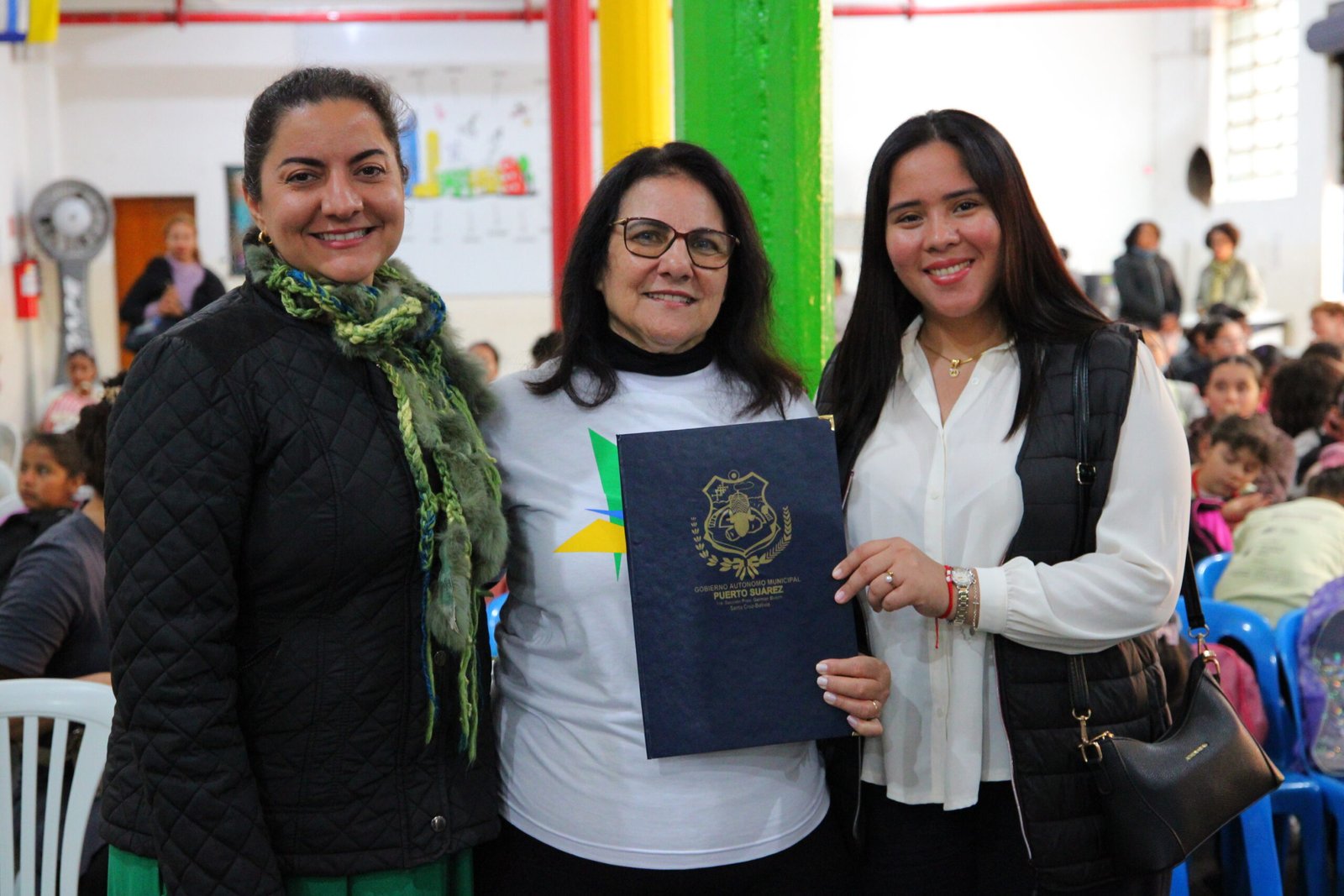
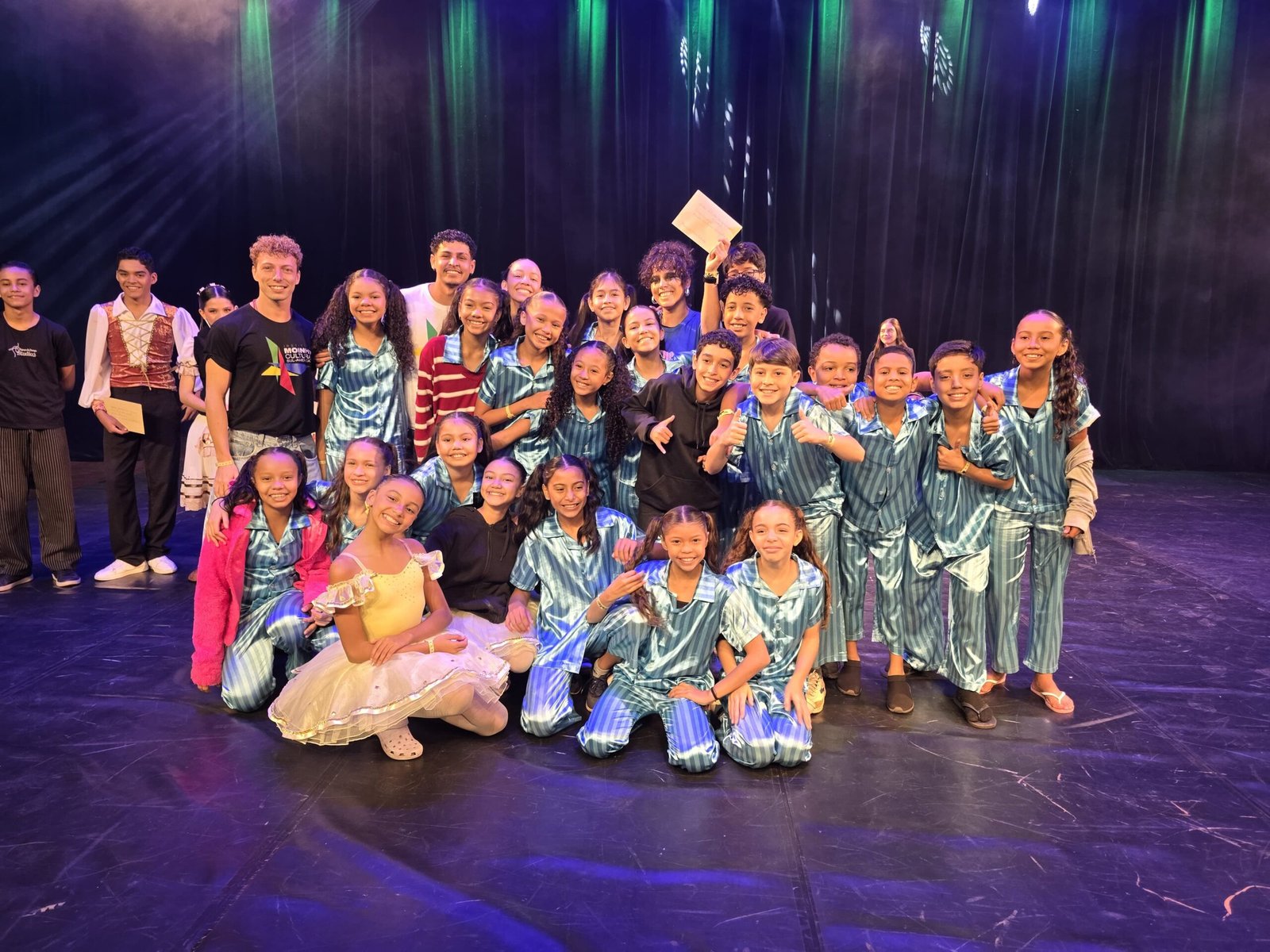
Márcia Rolon, founder of the Instituto Moinho Cultural Sul-Americano, which has worked for 21 years in Corumbá and was one of the pontões selected in the public call launched by MinC in 2023, also recalled that Mato Grosso do Sul’s Teia was this time held in the state’s interior. “We were able to feel this culture as extremely alive, united, pulsing, at the moment when we managed, together with the state government, to bring our Teia to Corumbá, to get people onto roads full of speed bumps but of incredible beauty, with the Pantanal alongside, and to experience that moment of diversity”, she said.
Walter Cedro, in turn, celebrated the holding of the 3rd Teia/Fórum dos Pontos e Pontões de Cultura of the Federal District in Brasília, at the Espaço Cultural Renato Russo, which saw more than 150 people pass through on November 21 and 22, 2025. “It was wonderful, a very special moment. We managed to revive Cultura Viva in the Federal District, to bring people back. The PNAB was also very important, because, through it, we managed to bring in several collectives and associations that were not cultural points but became cultural points and came to join us”, he celebrated.
Ancestral knowledge
In addition to commenting on the Teias held in the region and the expectations for the national stage, the people taking part in the videoconference (of the total 130, 50 followed along on YouTube, on the Moinho Cultural channel) exchanged experiences about their lives in the territories. From Mato Grosso came the testimony of Eliane Boropô, a member of the Coletivo Bôloriê Balatiponé. A resident of the Umutina indigenous territory, in the Aldeia Boropô (municipality of Barra do Bugres), she spoke about the work the Balatiponé-Umutina people have been doing to revitalize ancestral knowledge within the community.
“In the 1940s, the Balatiponé people numbered around 15 to 20 people. Today they bring a new path, of resistance, of resilience, despite all the violence of the past, of not practicing our rituals, not speaking our mother tongue. We have been doing this work, giving visibility to the strengthening of our culture, our traditional knowledge, our dances, our rituals, our songs. A process within our community and within the school setting as well”, said Eliane, who is a teacher at the local school and attended last year’s Teia in Mato Grosso, in Poconé. “It’s important to leave the territory to seek information and bring back actions of empowerment”