Lights, movement and ancestral music marked Moinho in Concert 2025, held over two days (Saturday and Sunday) at the Instituto Moinho Cultural (Moinho Cultural Institute), in Corumbá. The show gathered around 3,400 people and turned the venue into a stage for cultural encounters, memory and emotion, drawing its central inspiration from the Caminho de Peabirú (Peabiru Trail), an ancestral route that runs through the history of South America.
Combining music, dance and visual arts, the presentation guided the audience through a sensitive narrative about journey, identity and self-knowledge. The staging used hopscotch games as a metaphor, representing the challenges and returns present both on the physical path and the symbolic one.
“It’s a path of self-knowledge. You leave the ground, you go along balancing yourself, sometimes you go back a square, sometimes you try to skip steps and lose your balance, until you manage to reach the sky. We built this metaphor together with the Peabirú, which we understand as a path that leads to the sky, but also as an inner path,” explained Márcia Rolon, artistic director of the Moinho Cultural.
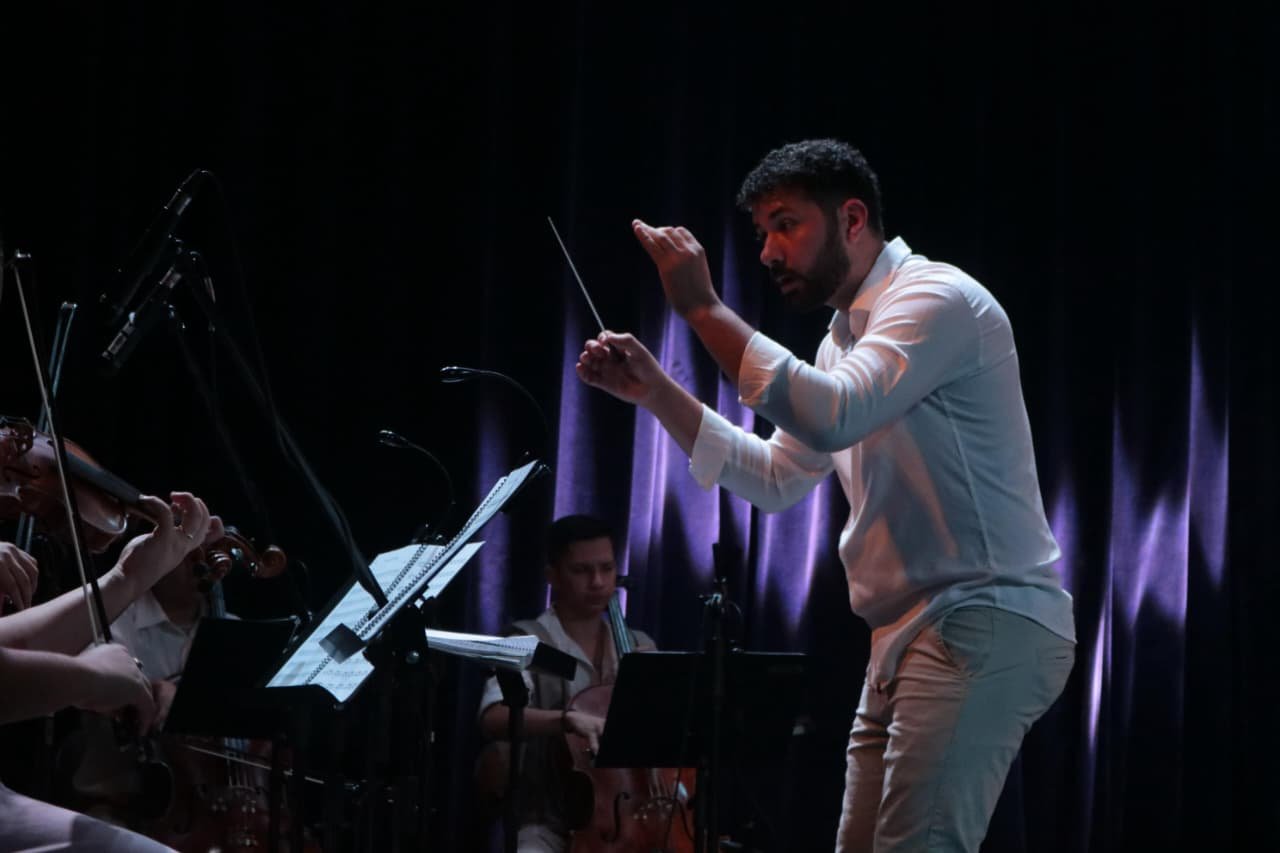
The soundtrack was composed of indigenous baroque music, created more than 300 years ago by native peoples under Jesuit influence. Rediscovered in the 1990s in the region of Chiquitanía, in Bolivia, the works received new arrangements and interpretations from the Orquestra de Câmara do Pantanal (OCAMP, Pantanal Chamber Orchestra), a professional ensemble linked to the Instituto Moinho Cultural.
“This music is something of ours, unique, that needs to be shared. These are songs that accompany the dancers of the Companhia de Dança do Pantanal (Pantanal Dance Company) and the children and adolescents with every step, inviting the audience to reflect on their own path,” Márcia added.
Besides OCAMP and the Companhia de Dança do Pantanal, the show also featured the participation of the Fundação Coral Arte Canto, the Coral do Instituto Superior de Belas Artes de Santa Cruz de la Sierra, the Instituto Superior de Formação Artística e Turismo de San Ignacio de Moxos, both from Bolivia, and the Orquestra Indígena de Campo Grande.
For lyric singer and choir director Giovanna Montaño, the experience was memorable. “This is an incredible world where you breathe art. Seeing everyone from the youngest to the most experienced on stage, combining acting, singing, dance and music, is something spectacular. Hearing indigenous baroque music from Bolivia being played in Brazil fills us with pride,” she said.
Eduardo Melo
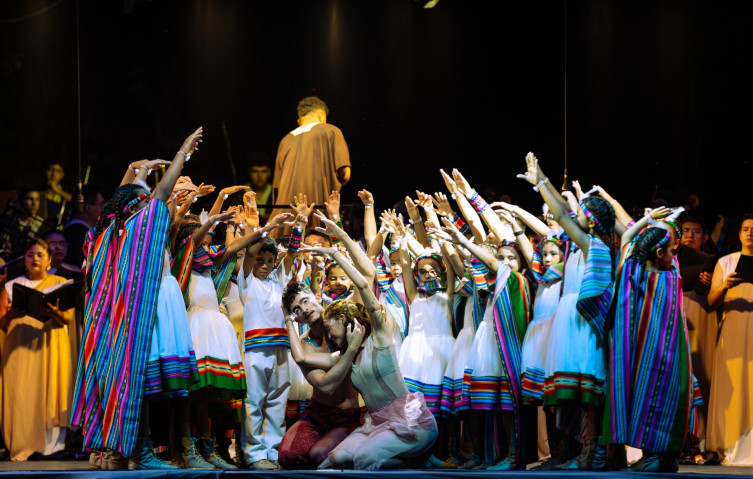
The performance guided the audience through a sensitive narrative about journey, identity and self-knowledge
A member of the Orquestra Indígena de Campo Grande, Maria Eduarda Albuquerque Matias, 16, highlighted the emotion of taking part in the show. “When I step onto the stage, I feel like crying with joy. Singing this music with other musicians, dancing together, feeling the orchestra, everything touches the heart differently,” she said.
Among the international guests, the founder of the Escola de Música de Santiago de Chiquitos (Santiago de Chiquitos Music School), Filomena Vargas, praised the artistic proposal. “The show enchanted me. The music retrieved from the Chiquitano archive and the references to the film The Mission were very present. It was truly enchanting,” she stated.
The event also mobilized families and volunteers from the local community. Rosa Irene Dourado Chaves, a mother and volunteer, highlighted her bond with the Institute. “Being a volunteer is a way of giving back a bit of the care that the Moinho gives my son. They educate, welcome and care for the children all year round,” she said.
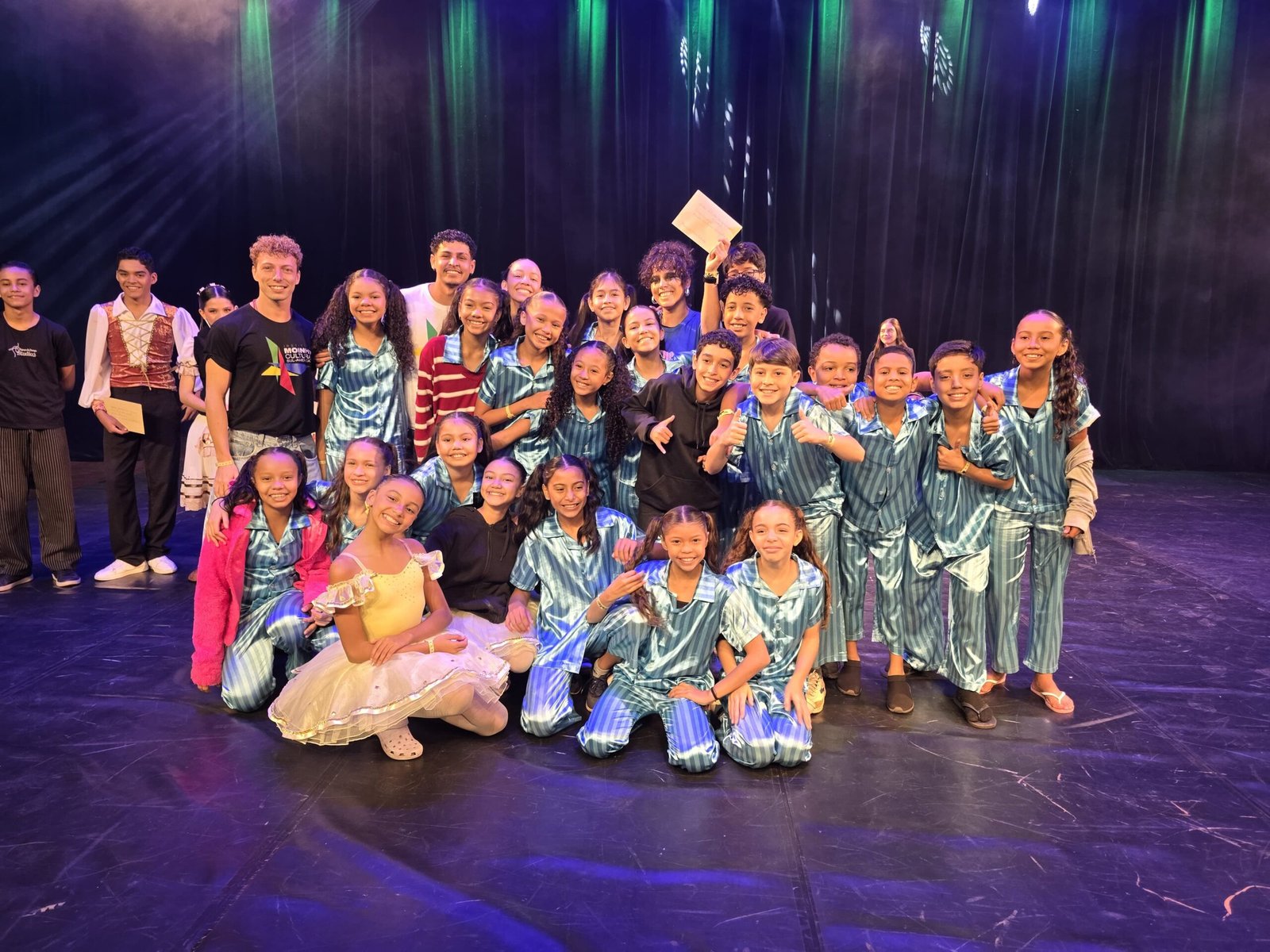
The show featured the participation of more than 500 people, among musicians, choirs, dancers, children, adolescents and young people served by the institution.
The social project
Founded 21 years ago, the Instituto Moinho Cultural Sul-Americano (South American Moinho Cultural Institute) is a civil society organization that works in Brazil’s border territories for the positive transformation of the local reality, giving voice and space to children, adolescents and young people, through access to cultural assets, technological knowledge, notions of entrepreneurship and full citizenship. Since activities began, more than 25,000 children and adolescents have already been served by the institution.