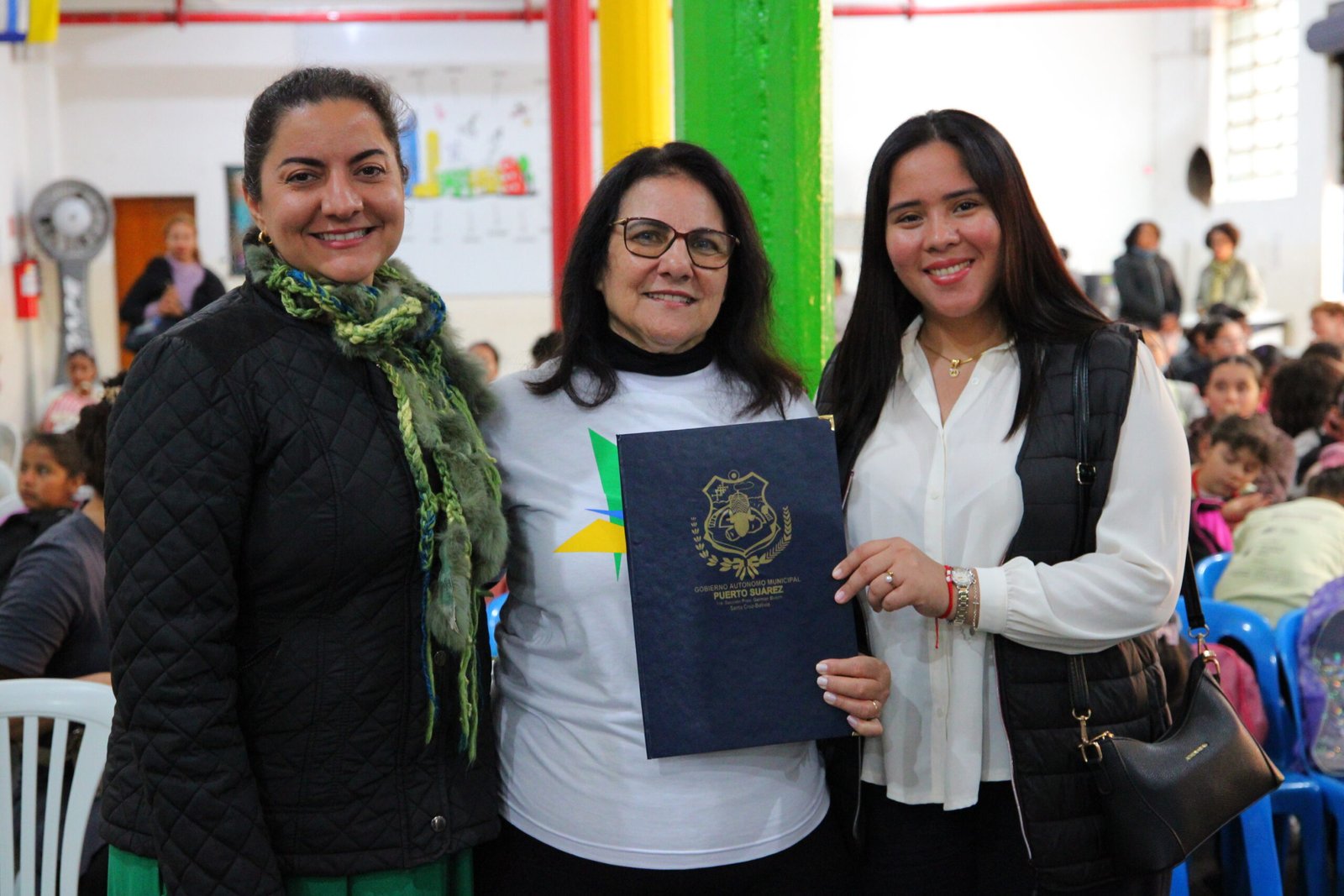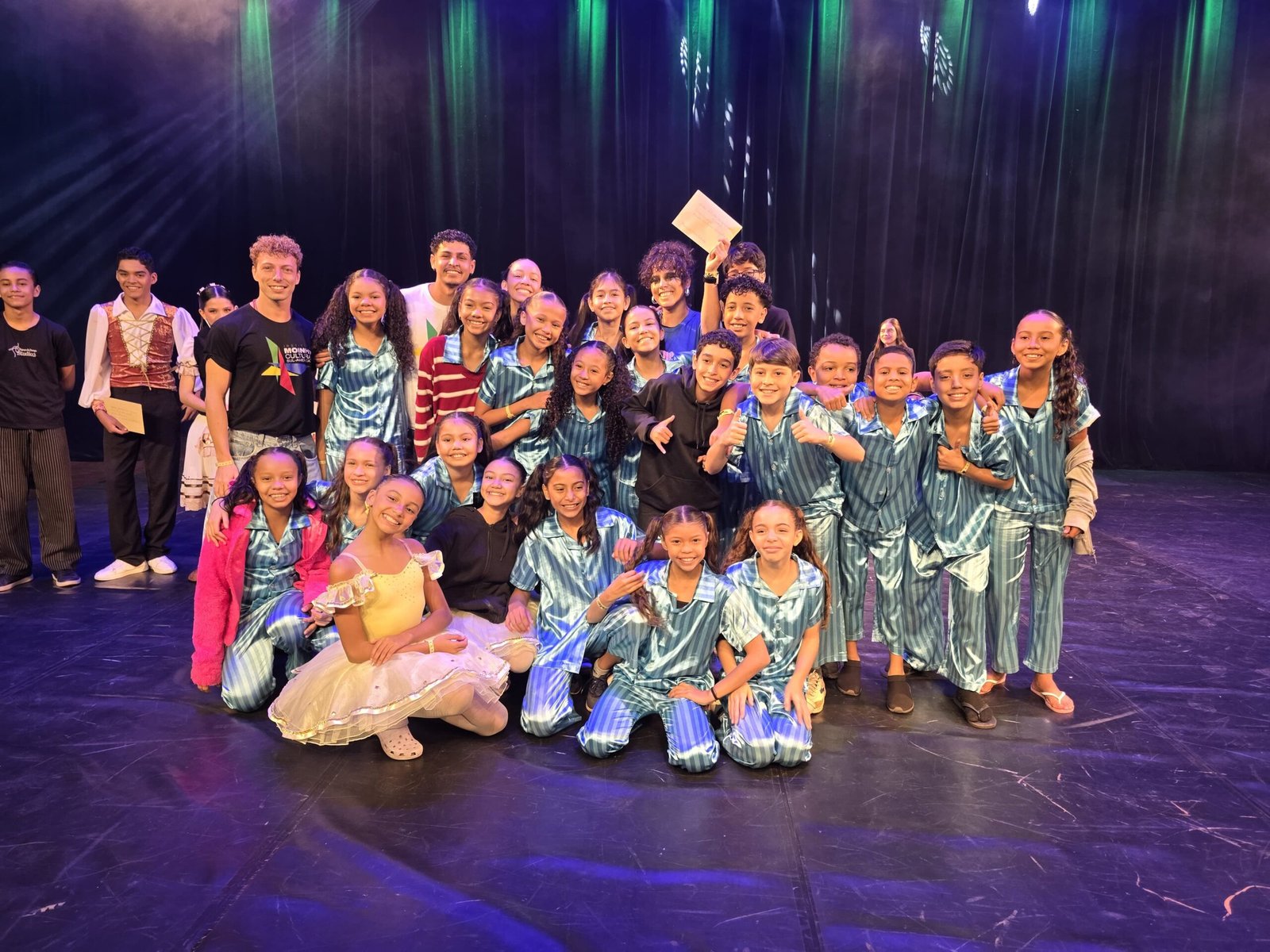
The Pontão Moinho Cultural (Cultural Hub Point) “Unindo os Pontos” (Joining the Points) held on Friday (4) and Saturday (5) another stage of its territorial integration proposal with the “Diálogos Transfronteiriços” (Cross-Border Dialogues) event, bringing together cultural leaders, public managers, educators and civil society representatives at the Instituto Moinho Cultural, in Corumbá (MS). The action reinforces the Pontão’s role as an articulator of listening, appreciation of local knowledge and formulation of public policies for the border territories between Brazil and Bolivia.
The event proposed a space for collective construction with the goal of shaping the methodological design for the Programa de Formação Cultural e Educacional Transfronteiriço (Cross-Border Cultural and Educational Training Program), with the presence of the OEI (Organización de Estados Iberoamericanos) consultant, Ricardo Almeida, who addressed the importance of valuing local knowledge and cultural identities.
During the meeting, one of the central points was the presentation of a proposed questionnaire aimed at gathering indicators on the cultural reality of the border, with the goal of supporting public policies more aligned with the territory’s specific features. The events and cultural outreach manager of the Fundação da Cultura de Corumbá, Marcelle Saboya, highlighted the importance of turning this mapping into an effective tool for visibility for the region.
“Ricardo is a researcher who has long dedicated himself to mapping and understanding life on the borders. This time, we had the opportunity to discuss something more concrete: a questionnaire that could generate real indicators about our territory, and that reach the Ministry of Culture. It’s important for the MinC (Ministry of Culture) to recognize that we are plural, diverse and numerous. That’s why we have already put the team of the Fundação da Cultura and the Pontão Moinho at the disposal to help cultural agents take part in this process,” she said.
Another striking moment of the event was the reflection on building border identity in Corumbá, a theme that has been mobilizing cultural agents in the region. For the cultural director of the Centro Boliviano de Corumbá, Arturo Castedo Ardaya, it is urgent for the local population to recognize its border condition as part of its own cultural and territorial identity.
“People from Corumbá don’t consider themselves border people. The press and many authors still see Corumbá as a Pantanal city or a cultural one, but not as a border city. That needs to change. I recognize myself as Brazilian, Latin American, from Mato Grosso do Sul, Pantanal-dweller and border-dweller. And that’s what I’ve been trying to affirm through projects like the Saltenha Fest, which represent this integration between Brazil and Bolivia,” he said.
The Moinho Cultural auditorium also hosted the official launch of the Comitê Pró-UFPantanal, a movement for the creation of the Universidade Federal do Pantanal (Federal University of the Pantanal), a proposal that has been gaining traction with civil society and the Ministry of Culture. In his remarks, Tião Soares, from the Directorate for the Promotion of Popular Cultures of the MinC, reinforced the role of universities in formulating cultural policies aimed at border realities. “We need to understand and build, together with civil society, an autonomous university that contributes to the generation of knowledge, critical thinking — a federal university of the Pantanal,” he noted.
Professor Hélvio Rech, leader of the movement for the creation of the Universidade Federal do Pantanal, added: “The promotion of culture as an activity that employs people, that distributes income and creates the fundamental bond of the culture of a people, of a nation, of a continent, I managed to find here at the Moinho. On that point, I think it’s close to the debate we’re having around the creation of the Universidade Federal do Pantanal.
I want to publicly thank the Moinho for its support of our movement. I think it’s not just its involvement, but the experience the Moinho has been accumulating over these 20 years of work, and I hope this helps enrich our debate,” he said.
The audience also enjoyed the presentation of the Bossa Livre project, a unique musical experience with the Diálogos Musicais Ibermúsicas project, which connects Brazil to Europe through music.
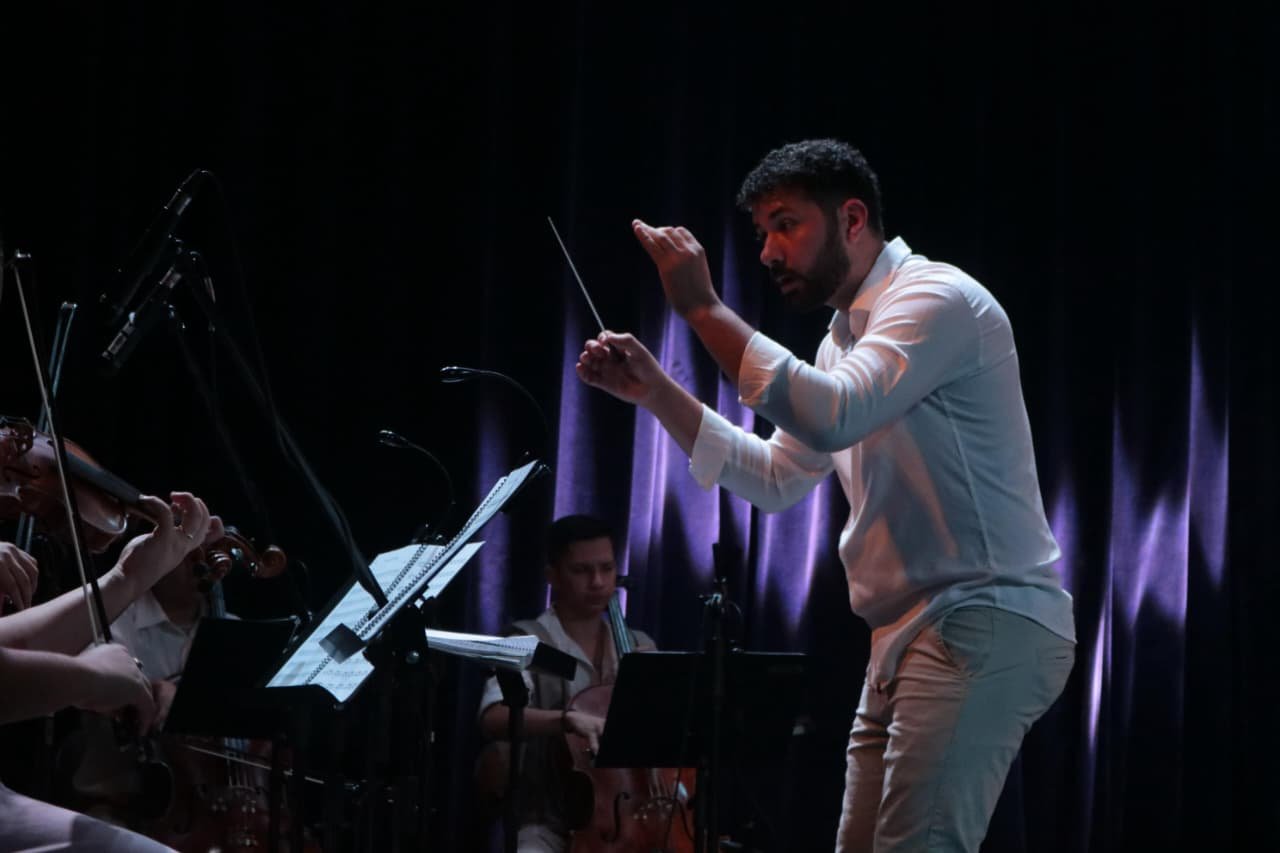
The event’s schedule continued through Saturday (5), with a special performance by Portuguese musician Norberto Cruz, from Madeira Island, alongside the Orquestra de Câmara do Pantanal (Pantanal Chamber Orchestra), a professional group linked to Moinho Cultural. The concert took place at the Casa de Memória Beneficência Portuguesa and brought together European baroque music and South American music.
“It was a wonderful concert with the Orquestra de Câmara do Pantanal, our dear partners and friends from the South American cultural world. A meeting of European baroque music with South American baroque music. For us, this is something unique, and we really wanted to share it with you,” Norberto added.
The event is an action supported by EDITAL DE SELEÇÃO PÚBLICA MINC – Nº 9, DE 31 DE AGOSTO DE 2023 – CULTURA VIVA, a community-based policy that has been rebuilding social and territorial bonds through culture.
About the Pontão Moinho Cultural
Recognized as a Pontão de Cultura (Cultural Hub Point) of the State of Mato Grosso do Sul, Moinho Cultural expands its social impact by bringing training, art and reflection to border territories. The “Unindo os Pontos” initiative proposes the strengthening of cultural networks based on listening, cooperation and valuing local knowledge.