National documentary features an episode about Márcia Rolon, founder of the institution
“Art unites everything”; that is how former ballerina from Mato Grosso do Sul, Márcia Rolon, describes her drive to begin creating Instituto Moinho Cultural, one of the state’s most important socio-educational institutions, during her participation in the documentary series “Meu, seu, nosso” (“Mine, Yours, Ours”), which shows the perspective and account of people who transformed lives by creating social projects with major impact in their communities.
The documentary sheds light on the story of seven characters from various parts of Brazil, and invites experts from different fields to reflect on what drives people to devote their time and their life to those in need. Rolon represents the Midwest, Mato Grosso do Sul and its borders by showing a bit of the giant that is Moinho Cultural, during her special episode.
The series was conceived by the Abílio Diniz family, created by Marcos Prado, who also signs as general director and shares direction of the episodes with João Jardim, with production by Zazen Produções and Ana Maria Diniz. The episode where Márcia Rolon is the protagonist will be released this week, on the Aquarius streaming platform.
The newspaper O Estado had exclusive access to the episode, which shows a bit about the founder’s family, her interest in art from the cradle, and how, living on the border, she saw there a gap between Brazil and Bolivia that could be filled through art.
Photo: press release
“There’s no point giving someone a basic food basket, you need to bring a sparkle to that person’s eye,” says Márcia, right at the start. Recalling her beginnings in dance, family life alongside her parents, and her first marriage surrounded by twists and turns, it is impossible not to be moved by Márcia.
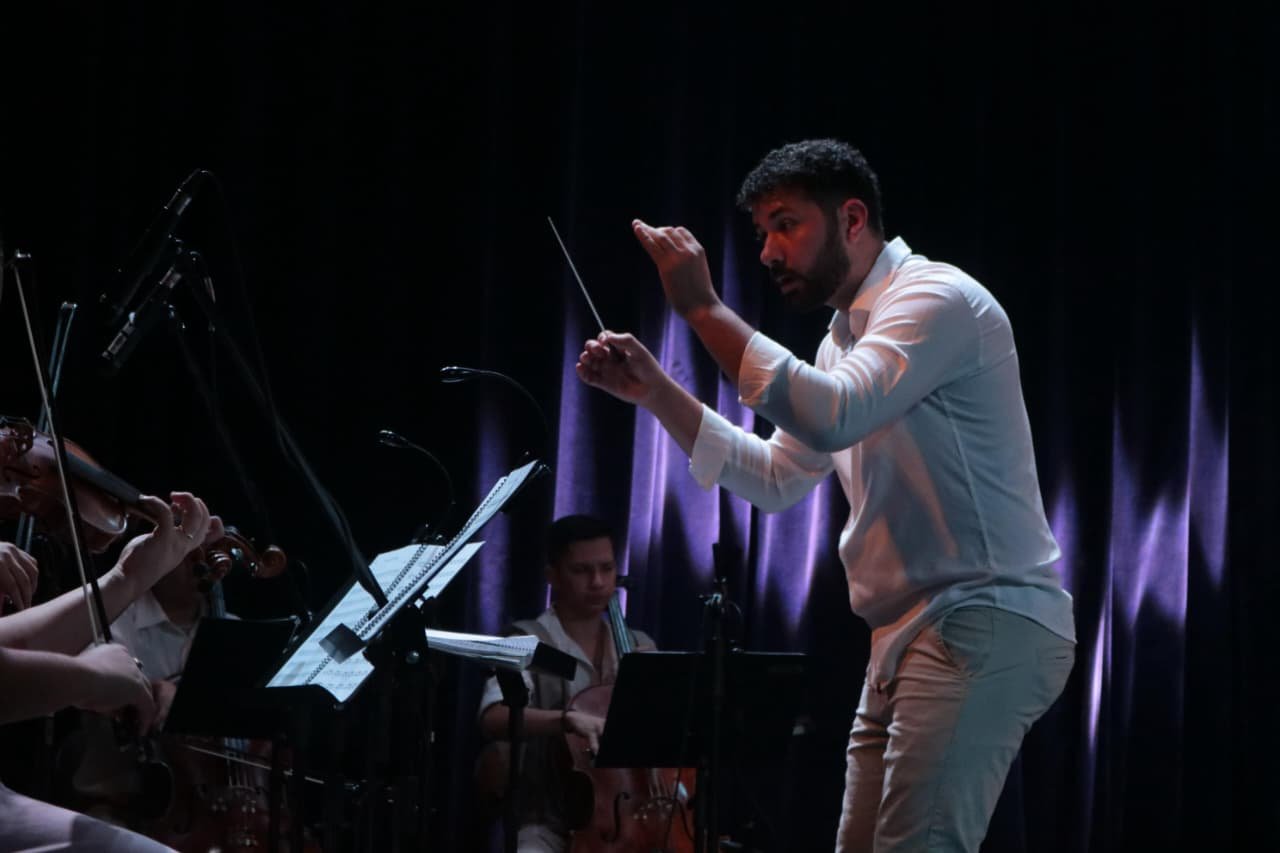
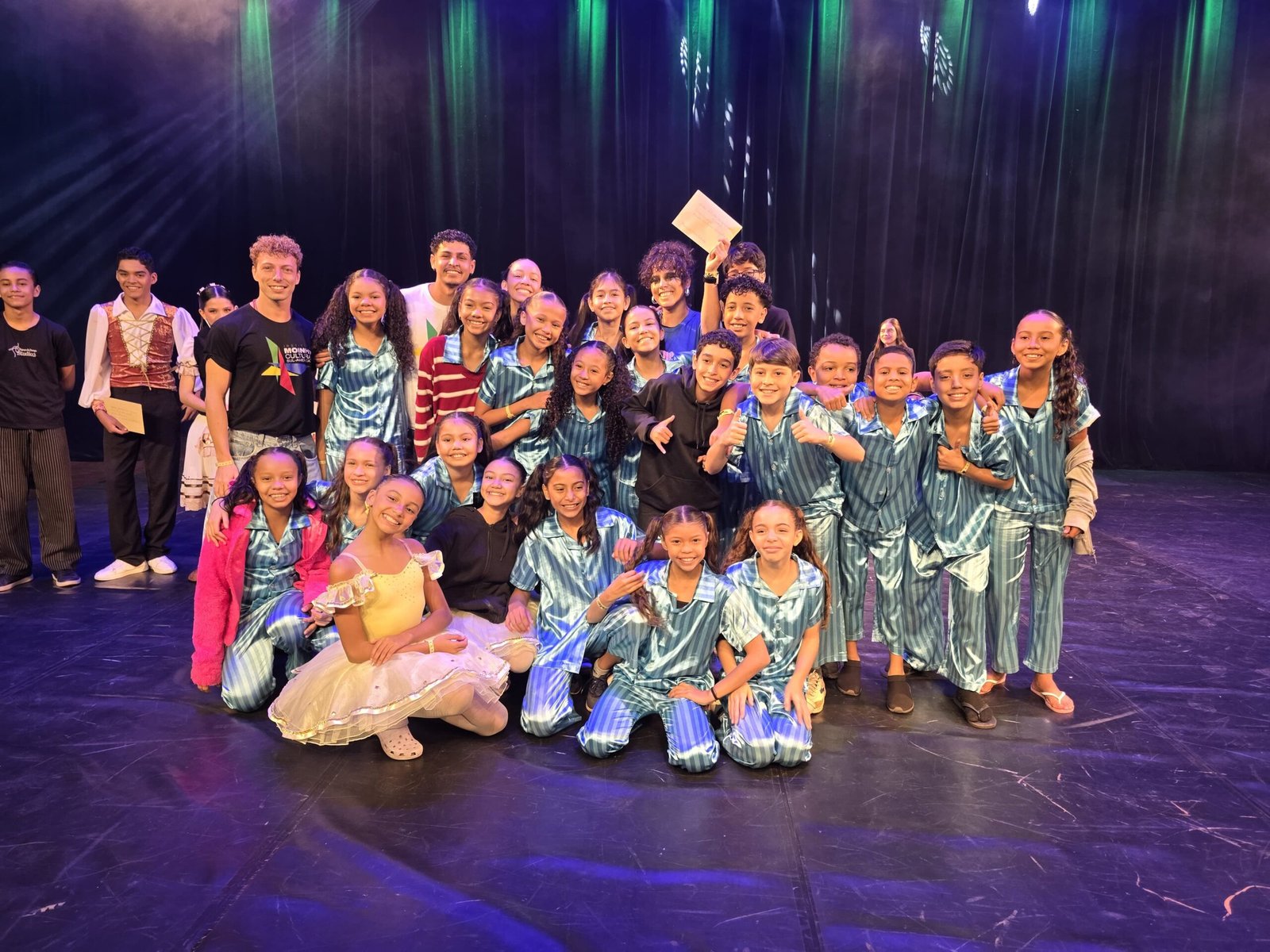
After a stint away from the state and even the country, to specialize in her dance, Márcia returns to Corumbá and reconnects with Ângelo Rabelo. There, the partnership begins that would give rise to Moinho Cultural. From 2000 to 2007, the two created in Corumbá the Mostra de Dança (Dance Showcase), an event that brought artists from around the world for free performances at Praça Generoso Ponce. But performances alone were not enough for a population starved of culture, which prompted Márcia to create a dance academy, where the region’s children could learn and be on stage.
“I realized that no project here in Brazil talked about two things that our project had at its core: music and dance together, the dream of having an orchestra and a dance company. And no one talked about the border,” recalled Márcia during the documentary.
Moinho
The project began its activities initially serving 180 children at social risk, at Moinho-Corumbaense, an old factory in Corumbá’s port area, which was being revitalized at the time.
The institution runs an eight-year education program: in the first three years, the participant goes through various artistic languages, such as dance and music, and even technology. After that, they choose where they will specialize to continue learning during the remaining five years.
Movingly, the documentary also brings testimonials from dancers Maria Eduarda Toledo, Aline Espírito Santo and Núbia dos Santos. And, movingly, Márcia recounts her gains, pains and frustrations, even regarding the public policies that surround Moinho’s history.
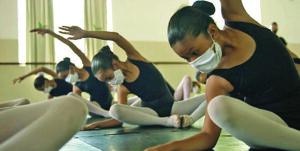
Photo: press release
In July of this year, the institution was declared a Pontão Cultural (Culture Hub) of Mato Grosso do Sul, by the Ministry of Culture. The initiative is part of the Plano Nacional de Cultura Viva (National Living Culture Plan) and the institution had already been one of the culture points spread across the country since 2004. Now, Moinho Cultural, under the banner “Unindo Pontos” (“Joining Points”), will work in partnership with Grupo Vozes Especiais, Sociedade Comunitária Gibiteca, Fundação Nelito Câmara, Circo do Mato and Grupo TEZ.
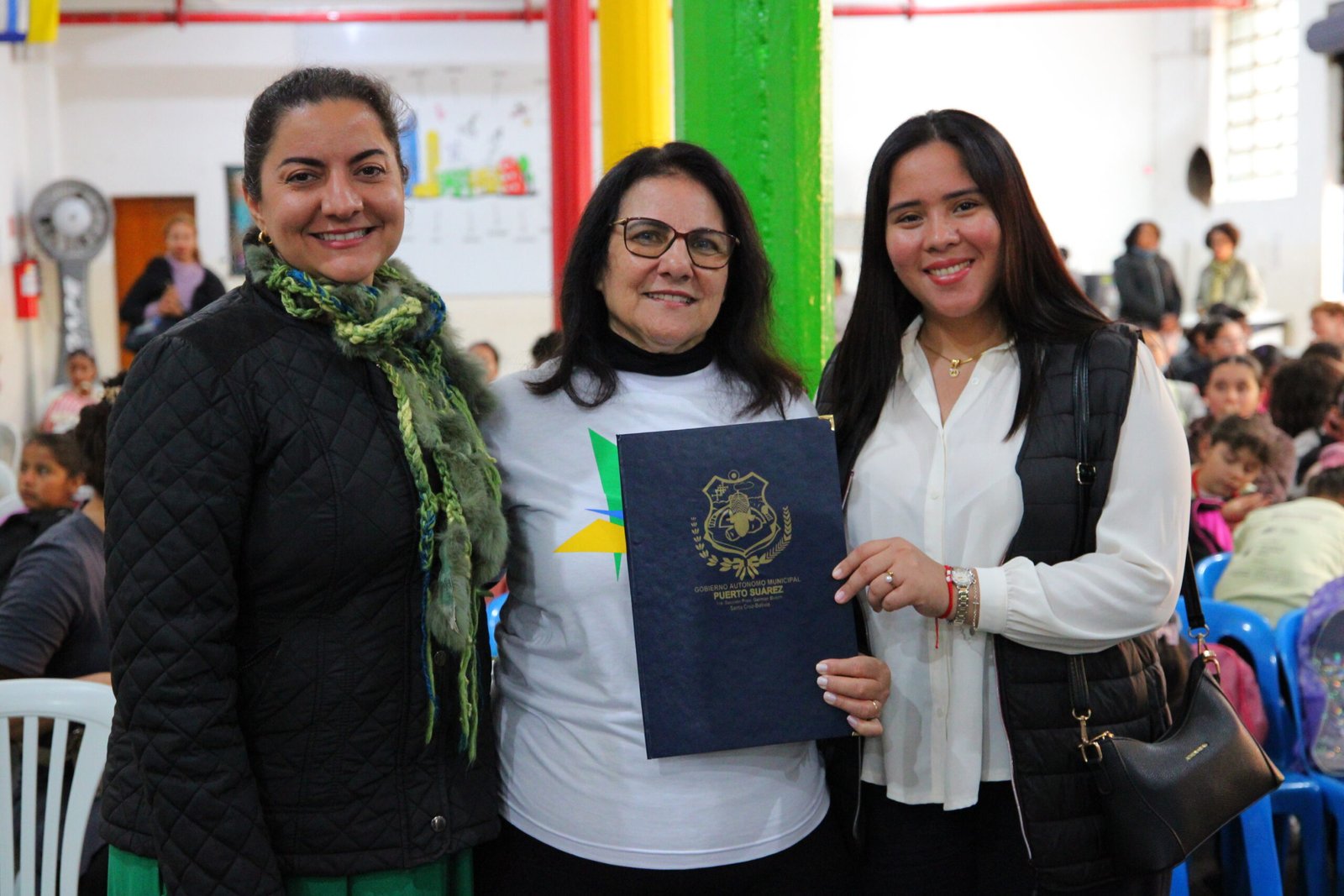
“Moinho Cultural reached a significant milestone by becoming the first Pontão de Cultura of Mato Grosso do Sul. We have played a fundamental role in spreading artistic expressions and encouraging cultural development and, now, as a Pontão de Cultura, we will be able to encourage other institutions to do the same,” said the founder. For 20 years, Instituto Moinho Cultural Sul-Americano has been transforming lives. In this period, more than 23 thousand children and adolescents in situations of vulnerability and social risk have been directly benefited by activities offered daily outside regular school hours, and 60 thousand indirectly. Over all these years, more than 58 thousand assistance services have been carried out. Classes offered include ballet and classical music, contemporary dance, computer science, school support, a Community and Bonding Strengthening Group, among others. Moinho also benefits children and young people from the municipality of Ladário and the Bolivian towns of Puerto Suárez and Puerto Quijarro, enabling an important cultural exchange.
The series
Márcia Rolon, former ballerina from Mato Grosso do Sul; Neide Suruí, indigenous rights advocate from Rondônia; Bismarck Araújo, photographer from inland Bahia; Lemaestro, rapper and skater from São Paulo’s East Zone; Ana Paula Mucunã, leader in a settlement in Rio Grande do Norte; Vera Cordeiro, a doctor in Rio de Janeiro; and chef David Hertz, also from Rio, are the protagonists of each episode.
Invited by Ana Maria Diniz to bring the project to life, the award-winning photographer, director and producer Marcos Prado — who, among other films, directed Estamira (2004), Paraísos Artificiais (2012) and Macabro (2020), and produced Os Carvoeiros (1999), Ônibus 174 (2002), Tropa de Elite (2007) and Tropa de Elite 2 (2010) — chose the series format and invited director João Jardim to share direction of the episodes.
“While we were pursuing these characters, we found it important to raise this discussion about what makes a human being have empathy, care about others, whether that is innate or not. And, on the other hand, try to understand why there still isn’t an established culture of philanthropy in the country, which ranks only 89th in the world ranking,” concludes Marcos.
By Carolina Rampi