Through network-based work, the institution mapped the main needs of border regions across the country
In 2021, the Instituto Moinho Cultural Sul-Americano (South American Cultural Mill Institute) created RECAF (Rede da Criança e do Adolescente da Fronteira / Border Child and Adolescent Network), which carries out actions aimed at defending and promoting the lives of children and adolescents in situations of personal and social risk. After two years of actions and mapping work on the most sensitive issues in each of the regions, the “Letter of the border children and adolescents” was drawn up, gathering the main aspirations of this border-region population.
Now, the institution is beginning to deliver the letter to lawmakers, seeking support for the formulation of public policies that can positively impact the lives of children and adolescents in the border region. Last Friday, March 17, it was delivered first-hand to federal deputy Camila Jara.
The document draws attention to the problems faced at the border and the need for government action, with the formulation of public policies capable of transforming the reality.
“RECAF was born from a dream and a need. The dream of expanding the work carried out for 18 years by Moinho Cultural on the border between Brazil and Bolivia, and the need to look at the children and adolescents who live in this region. For two years, we traveled through several regions, visited local institutions and schools, and saw that goodwill is not lacking. What is lacking is a more attentive eye and, above all, a government presence in these regions. With the letter, we intend to raise awareness among lawmakers, governors and other authorities about the need to look at the children of these regions,” says Moinho Cultural’s executive director, Márcia Rolon.
In the survey, the causes of the problems identified in each of the major areas were pointed out, such as the environment, health, culture, human rights, drugs, infrastructure, public safety and education, as well as proposals to solve them.
The letter, in turn, reflects a bit of the reality experienced by these children and adolescents, their aspirations, points out how the government can help them and what they want. “The letter was a collective effort. It is the result of more than 16,000 kilometers traveled and a lot of listening,” Márcia Rolon assures.
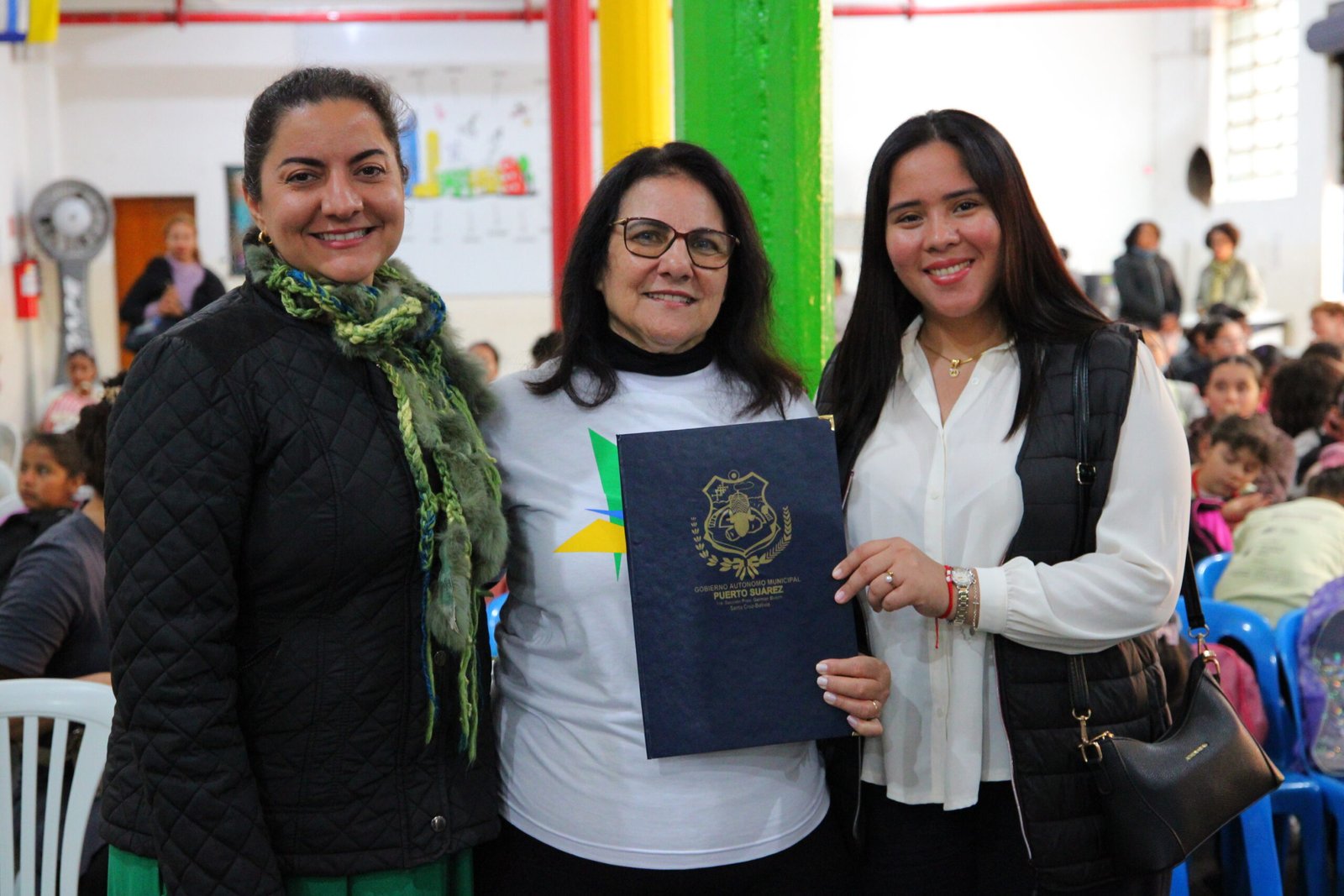
The letter is the result of visits and network-based work carried out in six countries and 11 municipalities. More than 380 children were impacted by RECAF’s actions. The Network was present in the Brazilian municipalities of Corumbá (MS), Ponta Porã (MS), Brasileia (AC), Assis Brasil (AC) and Barra do Quaraí (RS). From other countries, Iñapari (Peru), Bolpebra (Bolivia), Puerto Suárez (Bolivia), Pedro Juan Caballero (Paraguay), Bella Unión (Uruguay) and Monte Caseros (Argentina) took part.
The Instituto Moinho Cultural Sul-Americano
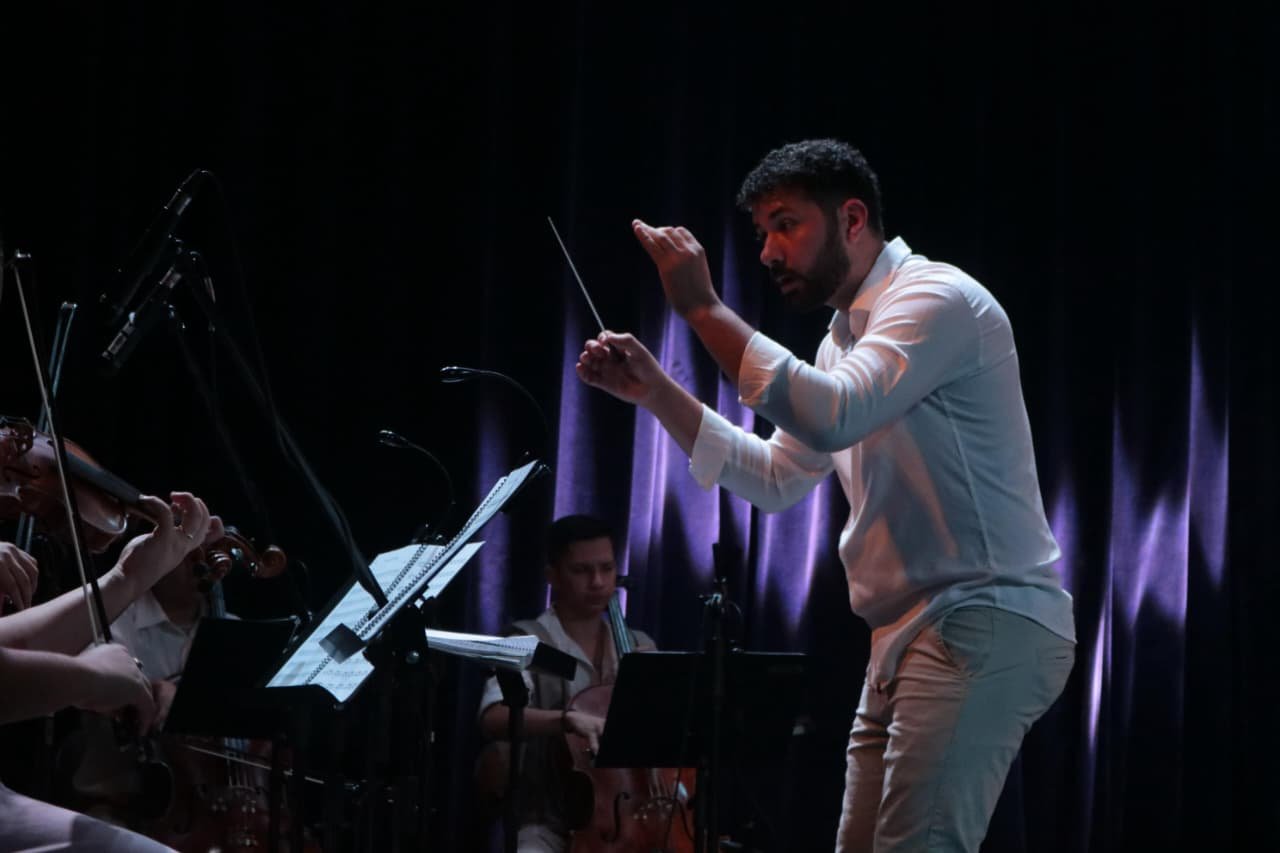
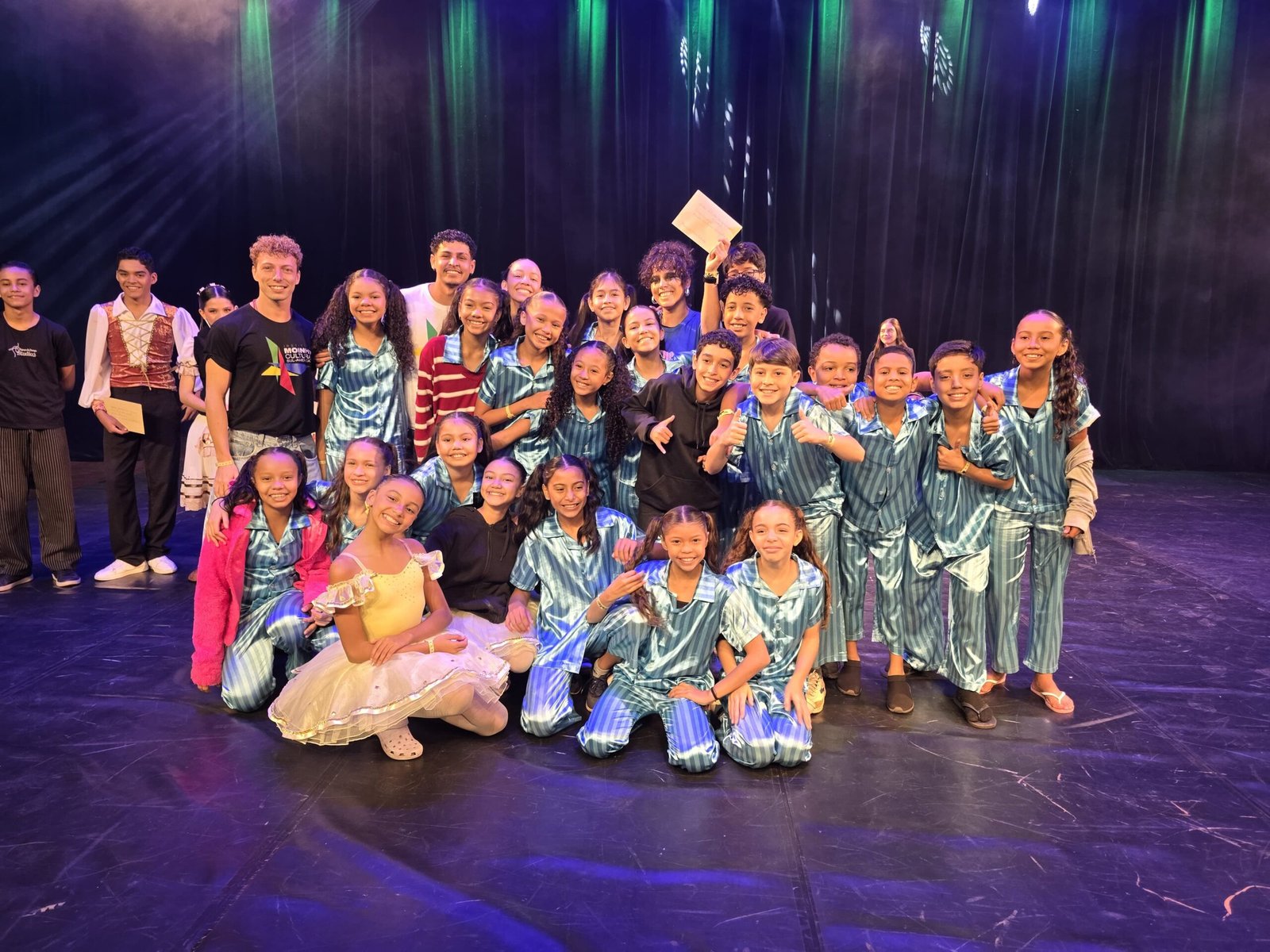
Moinho Cultural is a civil society organization that has offered dance, music, technology and computer classes for 18 years to children and adolescents in situations of social vulnerability in Corumbá, Ladário, Puerto Suarez and Puerto Quijarro. The continuing education offered by the institution lasts up to eight years. Moinho also works on training creative performers for young people and adults, through the Companhia de Dança do Pantanal (Pantanal Dance Company), Orquestra de Câmara do Pantanal (Pantanal Chamber Orchestra) and Technology Center. The institution’s mission is to reduce social vulnerability in the Brazil-Bolivia border region through access to cultural and technological assets. Since activities began, more than 23,000 children and adolescents have been served by Moinho.
Moinho Cultural currently has master sponsorship via the Cultural Incentive Law from Instituto Cultural Vale, as well as sponsorship from Bellalluna Participações LTDA, Energisa, BRINKS, BTG Pactual, CaraÍ Empreendimentos LTDA, HINOVE, Rodobens, cultural support from Instituto FAR, funding from the Government of the State of Mato Grosso do Sul through the Fundação de Cultura de Mato Grosso do Sul, in addition to the partnership with J.Macêdo and Fecomércio MS-SESC.
Institutional partners include the City Hall of Corumbá, City Hall of Ladário, City Hall of Puerto Suárez, City Hall of Puerto Quijarro, Instituto Homem Pantaneiro, IFMS, UFMS, Acaia Pantanal and other individual and corporate donors.