Giving prominence to elements that are cultural and intangible assets of Mato Grosso do Sul, that is the goal of the project “Do Nosso Jeito – Em Busca do Ser Sul-Mato-Grossense” (Our Own Way – In Search of the South Mato Grosso Identity), carried out by the Instituto de Desenvolvimento Educacional Alexandrina Carlos Pinheiro (IDEACP).
“We created this project to value the cultural symbols of MS. To draw attention to our cultural heritage, in this case the intangible heritage, which has to do with ways of making things and which also reveals our cultural heritage linked to indigenous peoples, Paraguayans and Japanese, a melting pot of influences that, together, gave rise to the South Mato Grosso DNA,” explains Rodrigo Teixeira, one of the presenters and also the creator of the project.
There are three video documentaries, each about 25 minutes long, referencing the viola-de-cocho in Corumbá, Sobá in Campo Grande and Tereré in Ponta Porã. In them, a bit more is explained about the importance of these elements in the identity dynamics of MS and how their presence in the daily life of the State’s population became so evident that their “ways of making” were officially registered as heritage in 2005, 2006 and 2011, respectively.
The video documentaries recorded personalities, showed the characteristic elements and revealed curiosities about the history, rituals and social dynamics of the three intangible cultural assets. The project received investment from FUNLES – Fundo de Defesa e Reparação de Interesses Difusos e Lesados (Fund for the Defense and Reparation of Diffuse and Injured Interests) – through Public Notice SEMAGRO/FUNLES No. 001/2021.
Viola-de-cocho, the sound of the Pantanal
Since the end of the 19th century, there has been evidence of the presence of the viola-de-cocho among the indigenous peoples of the Pantanal, and to this day it is part of the region’s main festivities, which led it to become cultural heritage of Mato Grosso do Sul.
But for an element to become historical heritage of a place, a lot of research and study is needed, but above all, contact with the local community. In this case, the video documentary portrayed the cururu circles and the festivities promoted by the “cururueiros” always featuring the viola-de-cocho.
“The project gave us the opportunity to bring the cururueiros together and publicize each one’s work. We usually say that they are, in fact, the heritage, because they hold the knowledge linked to the way of making the viola-de-cocho. So publicizing their work, each one’s history, is very important so that more and more people in the region can get to know and preserve this history,” highlights Wanessa Rodrigues, sociologist and cultural producer.
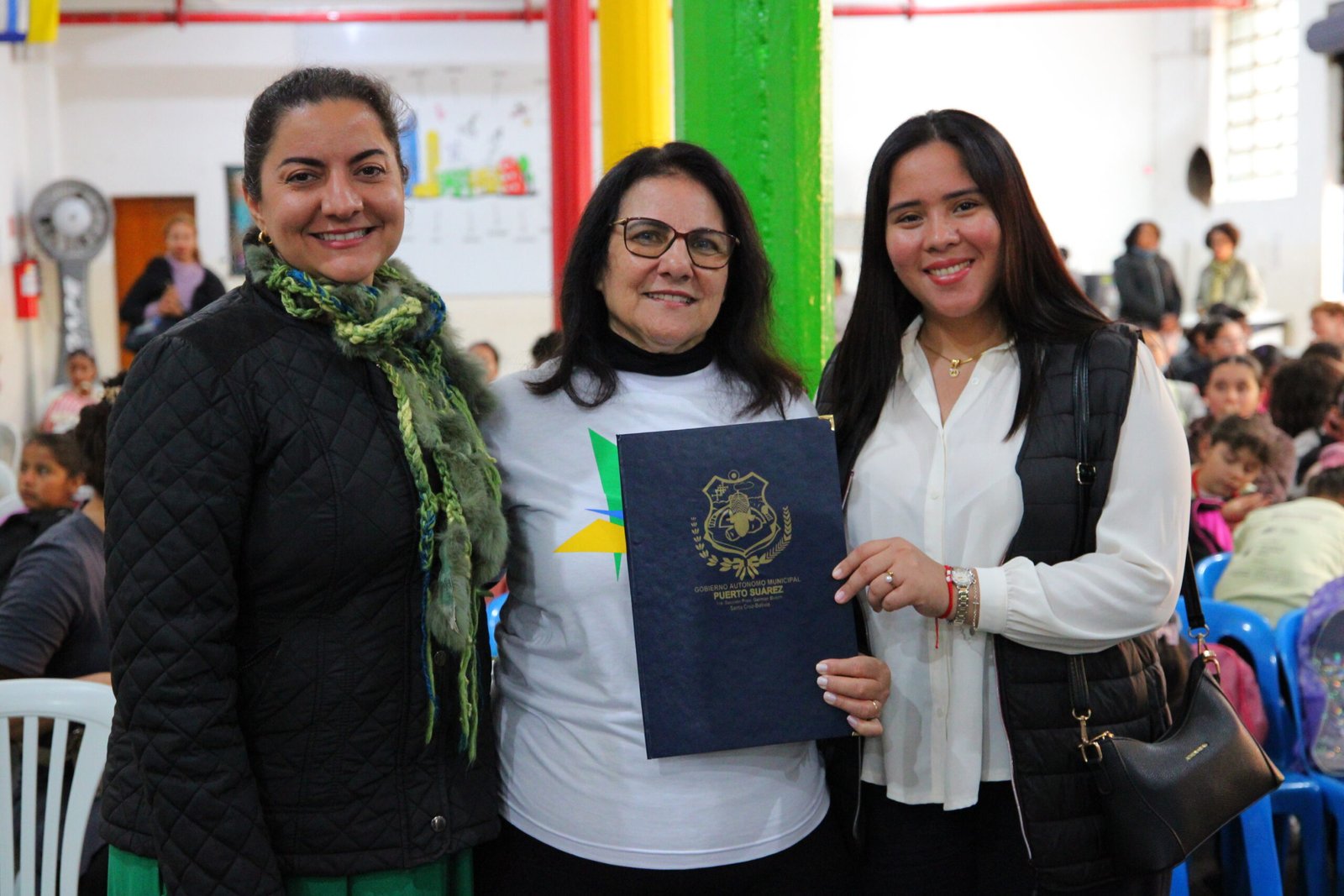
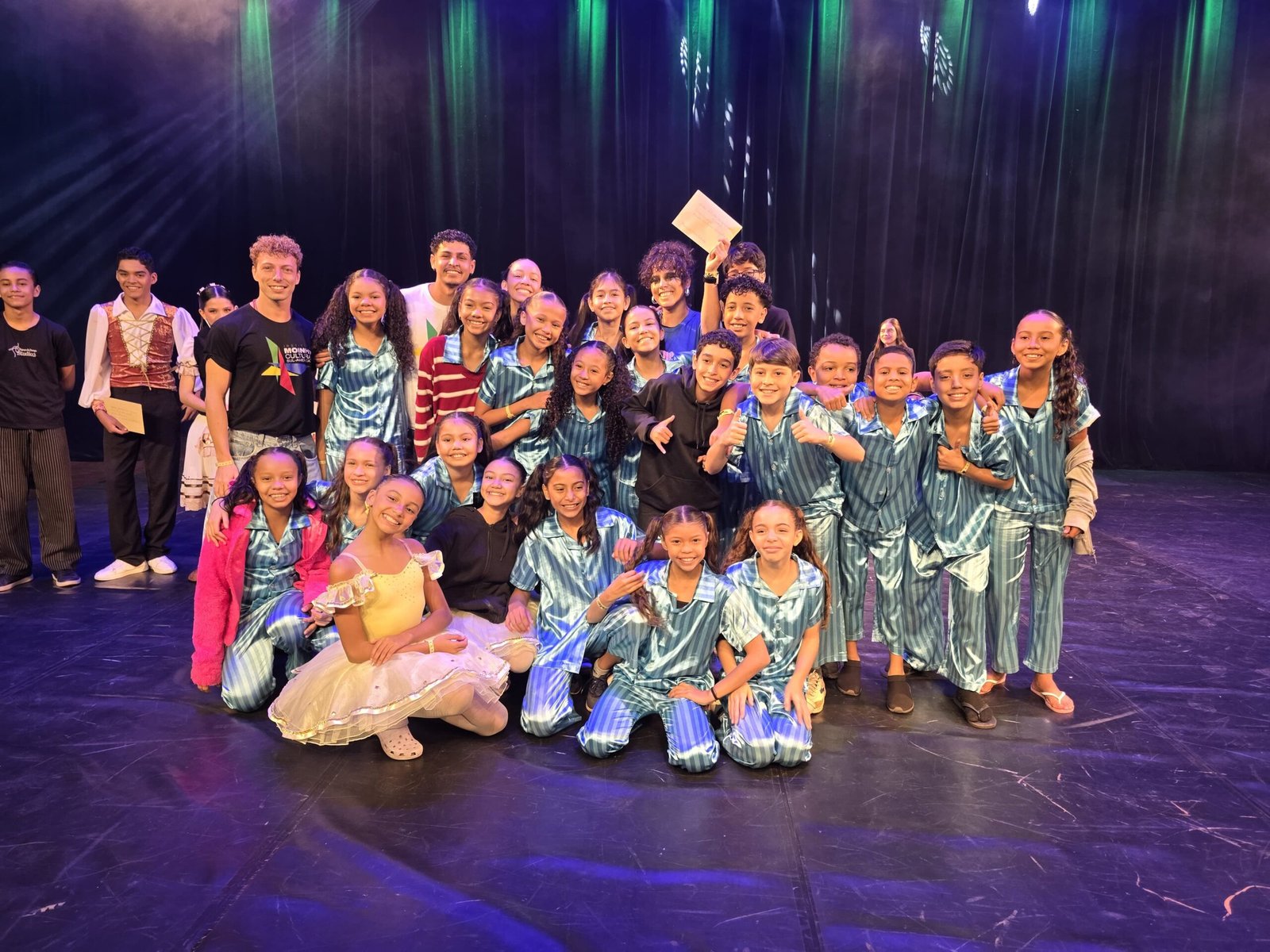
The executive director of Instituto Moinho Cultural, in Corumbá, Marcia Rolon, took part in the filming and speaks of how valuable it is to bring local history closer to new generations.
“Valuing our state’s cultural heritage means keeping it alive. There are very few effective actions we have to educate children, adolescents, young people with memories, with storytelling, with elements that sometimes may seem unimportant to these future citizens. So, the way it is presented, the way it enters the school, it enters loaded with strength, pride and belonging. What we need most today are references of identity and belonging. So I greatly value those who put forward projects that speak about our important things and make us feel proud of who we are,” Márcia points out.
Sobá and its prominence
One of the characters featured in the video documentaries is Dona Dirce Guenka, who has been making the noodles specific to sobá for more than 20 years. Five people from the same family work around the production, focused on the main product of the delicacy.
“We started in a homemade way, we did everything by hand and with a small machine, all very manual, we managed to produce 10kg of noodles on average. Today we already produce around 450kg just on Saturdays, reaching approximately 6,000 kg per month. My son, my daughter-in-law, two daughters and a grandson work at the factory,” explains Dona Dirce.
Her son Fred welcomed the team inside the factory and said what it was like to take part in the documentary. “The team was very attentive and polite, they tried to show our work in the best way possible. The response has been great, a lot of people commenting and also people who didn’t know our product came looking for us. Anyway, I really enjoyed it, I can only be thankful,” he pointed out.
Tereré, faithful companion of the South Mato Grosso native
It’s hard not to see a South Mato Grosso native accompanied by a well-chilled tereré, and the project went all the way to the border with Paraguay to show the importance of this drink in the daily life of our population, so much so that it became intangible heritage of humanity.
“It was very rewarding to take part in this project, since it deals with the preservation of collective memory and the shaping of a society. This preservation directly influences a reinterpretation of new historical perspectives belonging to a given region. Historical heritage is part of a society’s identity in terms of its characteristics, customs, behavior, besides being a fundamental record for future generations about the importance of preserving memory, directly influencing local cultural formation,” describes the historian who, in the video documentary, told a bit more about the history of tereré, Prof. Yhulds Giovani Pereira Bueno, M.A.
Information
At the project launch, the video will be presented in person to the students of Moinho Cultural in Corumbá, at the Municipal Council in Ponta Porã and at the Feira Central in Campo Grande. For those who want to access the documentaries, they are already available on the Institute’s page through the link.
Launch in Corumbá MS
Date: 03/09/2023
Time: 4 pm
Location: Moinho Cultural – Rua Domingos Sahib, 300 – Porto Geral
Launch in Ponta Porã MS
Date: 03/22/2023
Time: 7 pm
Location: Municipal Council – Av. Brasil, 3470 – Centro
Launch in Campo Grande MS
Date: 03/29/2023
Time: 7 pm
Location: Feira Central – Rua Quatorze de Julho, 3351