In the year it turns 18, the Instituto Moinho Cultural Sul-Americano (IMC) (South American Cultural Mill Institute) celebrates the recognition it received at the “Direitos Humanos em Ação” (Human Rights in Action) award, for the work carried out with children and teenagers in Mato Grosso do Sul. The award ceremony took place on Thursday, the 10th, in Campo Grande, and was organized by the Secretaria de Estado de Direitos Humanos, Assistência Social e Trabalho (Sedhast).
The executive director of Moinho Cultural, Márcia Rolon, states that being a “protection network” for children and teenagers of the border region has always been the Institute’s great mission. “Receiving this award is something very important. It is a recognition and shows that we have managed to achieve our main goal and go beyond it: today we are present at borders across Brazil, we have a relationship with six other countries, besides Bolivia,” she says.
Márcia also says that all these years of work would not have been possible without the institution’s partners. “I can only thank the State Government for this recognition, thank all the people who have been by our side for 18 years. Many have passed through us, as participants, as partners, collaborators, sponsors, and everyone believed in our cause. Keep believing that with this energy, this drive, this recognition, this partnership, we will win back new spaces and continue giving a voice to border children and teenagers.”
IMC board member Joelson Soares comments that this trophy represents the possibility of transforming young people’s lives through art. “The ‘Direitos Humanos em Ação’ award is an extremely important recognition of all the work carried out by Moinho Cultural. It is a way of showing that it is indeed possible, through music, dance, and culture as a whole, to transform these children’s lives; it is possible to teach children to dream and to turn those dreams into reality.”
During the event, the head of Sedhast, Elisa Cleia Nobre, noted that human rights actions in Mato Grosso do Sul have advanced and now involve various sectors of society. “It is a victory for the people of MS to have people and institutions committed to public policies involving human rights,” she points out.
The Instituto Moinho Cultural Sul-Americano
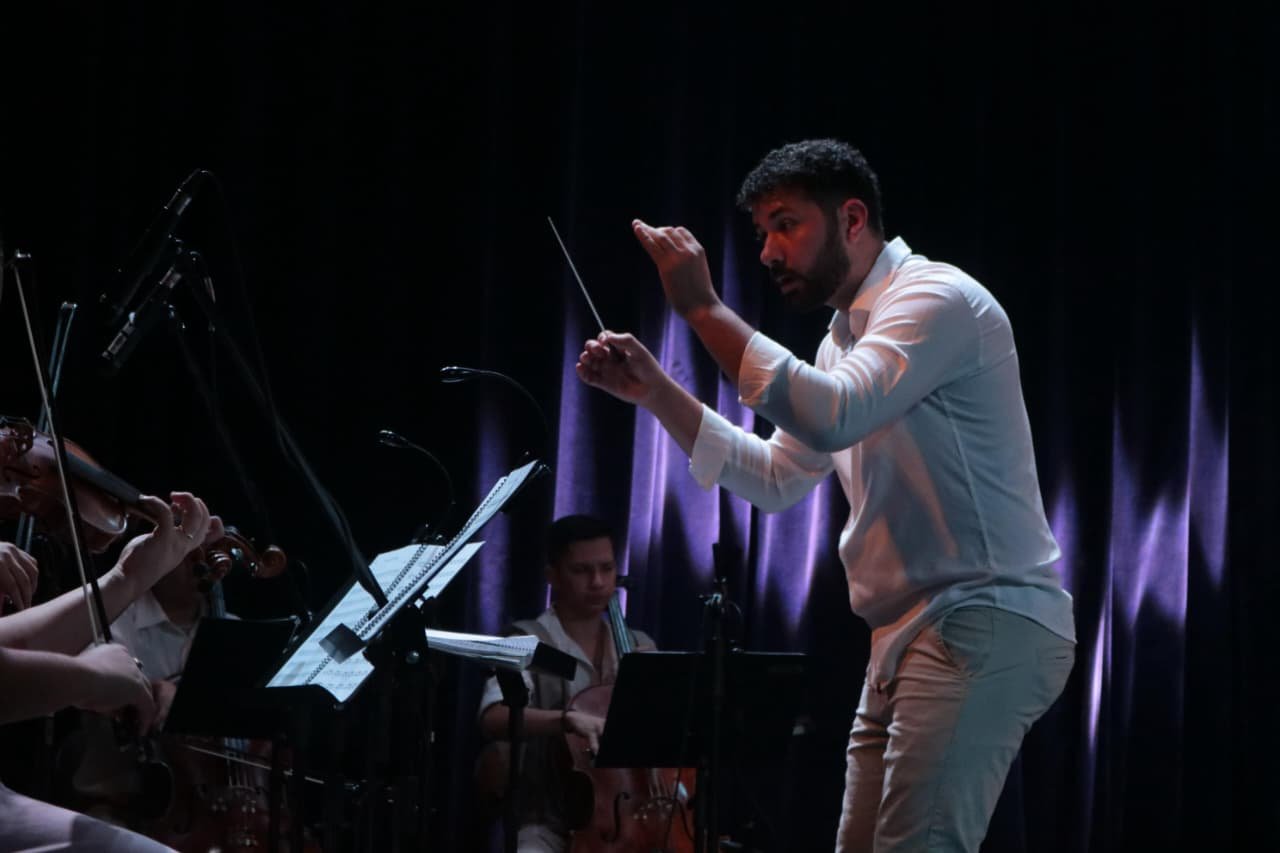
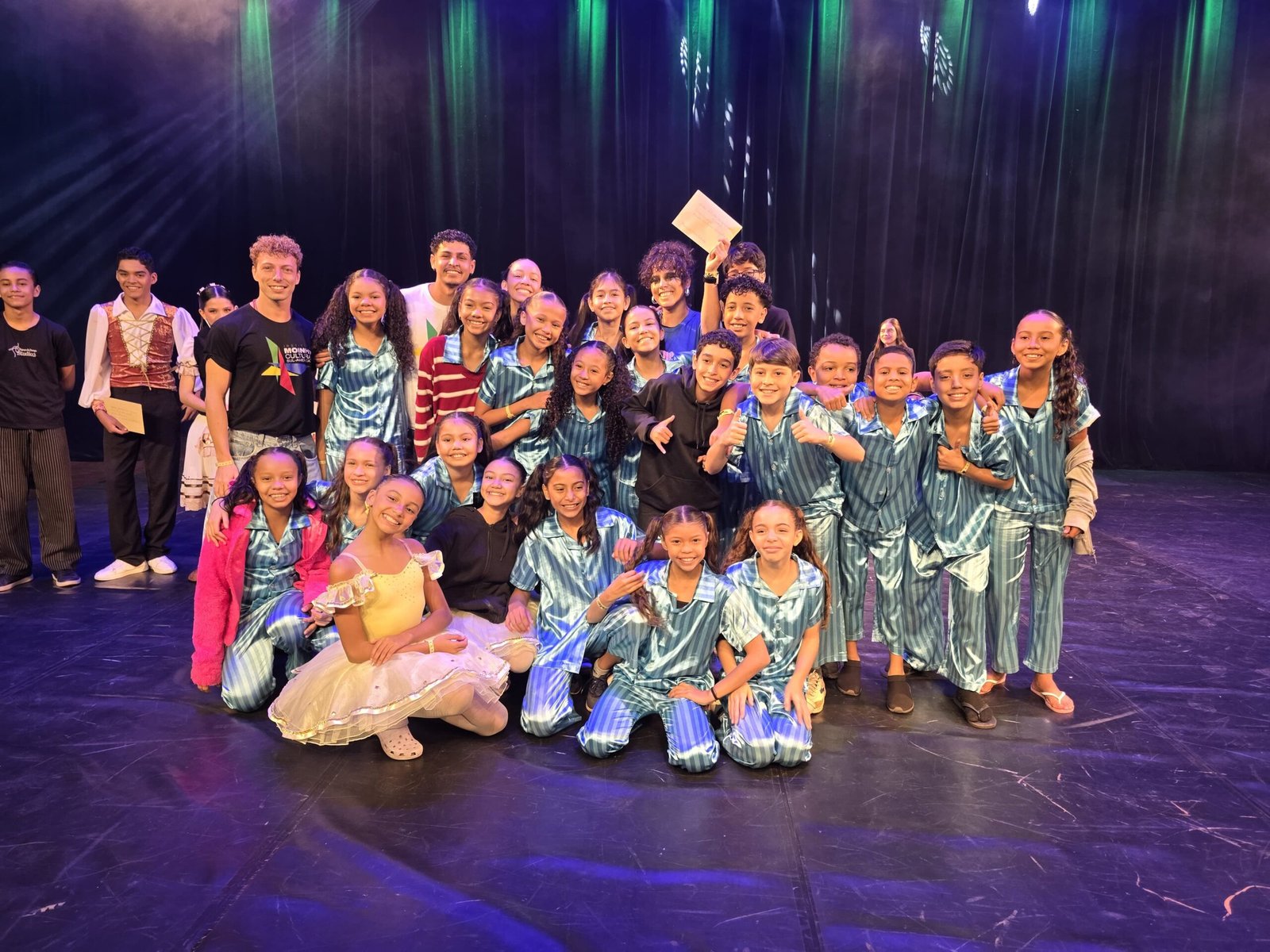
Moinho Cultural is a civil society organization that offers dance, music, technology, and computing classes to children and teenagers in situations of social vulnerability in Corumbá, Ladário, Puerto Suarez, and Puerto Quijarro. The continued training offered by the institution lasts up to eight years. Moinho also works on training performer-creators for young people and adults, through the Companhia de Dança do Pantanal, the Orquestra de Câmara do Pantanal, and the Technology Center. The institution’s mission is to reduce social vulnerability in the Brazil-Bolivia border region through access to cultural and technological assets. Since activities began, more than 23 thousand children and teenagers have been assisted by Moinho.
Currently, the Institute has master sponsorship via the Cultural Incentive Law from Instituto Cultural Vale, as well as sponsorship from Bellalluna Participações LTDA, BRINKS, BTG Pactual, CaraÍ Empreendimentos LTDA, COMPER, Instituto Itaú Cultural, HINOVE, Rodobens, and Criança Esperança, funding from the Government of the State of Mato Grosso do Sul through the Fundação de Cultura de Mato Grosso do Sul, support from Instituto FAR, in addition to the partnership with J.Macêdo, Itaú Social, and Fecomércio MS-SESC.
Institutional partners include the City Hall of Corumbá, City Hall of Ladário, City Hall of Puerto Suárez, City Hall of Puerto Quijarro, Instituto Homem Pantaneiro, IFMS, UFMS, Acaia Pantanal, and other individual and corporate donors.