In the place of an old wheat mill, Instituto Cultural Vale reveals artists on the country’s border.
Moinho Matogrossense S.A. was a wheat flour factory located in the port area of Corumbá, in Mato Grosso do Sul. Its operation was halted in 1970. The three-story building would only “produce” again starting in 2004, when wheat left the scene to make way for dancers, musicians and artists. In the 2000s, the old factory building was revitalized and became the epicenter of art and culture in the region, which is the gateway to the Pantanal and the border area between Brazil and Bolivia. Thus emerged the Instituto Moinho Cultural Sul-Americano (South American Moinho Cultural Institute) – or simply “Moinho Cultural” -, with the goal of sowing dreams, creating prospects and forming citizens in a region with high rates of inequality and violence.
“The idea was to rescue children from vulnerability with a social project that combined music and dance,” says Márcia Rolon, founder and executive director of the institute, born in Corumbá, who is also a dancer and choreographer.
Revitalization
The initiative is a success, in the words of its own members. Leandro Henrique is one of them. At the age of ten, he began his music classes at Moinho and, a decade later, took on the role of percussion teacher at the institute. His story resembles that of Karolaine Jarcem Mendonça. Brought to Moinho by her mother, she began her dance and music classes at the age of 11. Over time, she ended up specializing in the instrument that is her passion – the violin. Today, she teaches music to the children of the project. “I am grateful to pass on to other children everything I learned in these years at the institute,” says the teacher.
Instituto Moinho Cultural today serves 400 children and adolescents from Corumbá and Ladário, in Mato Grosso do Sul, and from the Bolivian cities of Puerto Suárez and Puerto Quijarro, offering daily – and free – classes in dance, music, literature, audiovisual production, technology, languages, environmental and heritage education. The activities take place outside school hours, for 20 hours a week. The students’ training cycle extends over eight years, from basic to advanced. “Here the child experiences everything, from ballet to classical music, has contact with technology and develops in an integral way,” says Márcia Rolon. The project also includes family members and the community, who take part in income-generation and creative-economy courses.
Vale, and now Instituto Cultural Vale, with sponsorship from Vale through the Federal Cultural Incentive Law, have stood by the project since the revitalization of the old wheat flour factory in the 2000s, remaining its main sponsor to this day.
Since then, more than 23,000 children and adolescents in situations of vulnerability and social risk have been transformed by Moinho’s activities, in a process of ongoing emancipation, gains in autonomy and the building of the future.
“Supporting a project like Moinho Cultural for 20 years strengthens and reaffirms our commitment to the education and transformation of children and adolescents in situations of social vulnerability through culture, creating new prospects for the future,” says Christiana Saldanha, manager of Instituto Cultural Vale
From the square to the stage
The inspiration for creating the institute arose in a square in Corumbá. From 2000 to 2007, Praça Generoso Ponce, in the city center, hosted a dance showcase, a free and international event where renowned dance companies performed. The population was enchanted. Mothers and fathers began asking the showcase’s organizers, Márcia Rolon and Colonel Ângelo Rabelo, to create a project for their children to become artists and also take the stage. Thus was born the idea of the free arts school that, years later, would take shape in the colorful facade of Instituto Moinho Cultural.
At the start, the project served 180 children at social risk, already with an inclusive eye toward the border area. Since then it has kept fulfilling the purpose of “making art, culture and education and creating a fairer future,” as emphasized by the institute’s presentation video
Every year, Moinho Cultural opens new spots for children from families with income below three minimum wages, duly enrolled in regular school.
The institution also has a social center dedicated to the community and the students’ parents. Among its actions, notable ones include monthly meetings with parents and guardians, interactive visits by family members to Moinho, accompanied by their children, and productive inclusion – courses offered to parents and held on site in partnership with the Serviço Nacional de Aprendizagem Rural (SENAR, National Rural Apprenticeship Service), institutions such as Universidade Federal do Mato Grosso do Sul (UFMS, Federal University of Mato Grosso do Sul), Instituto Federal do Mato Grosso do Sul (IFMS, Federal Institute of Mato Grosso do Sul) and other local social organizations. Also part of this center is a social-assistance network that provides basic social protection services to the population.
Crossing the border
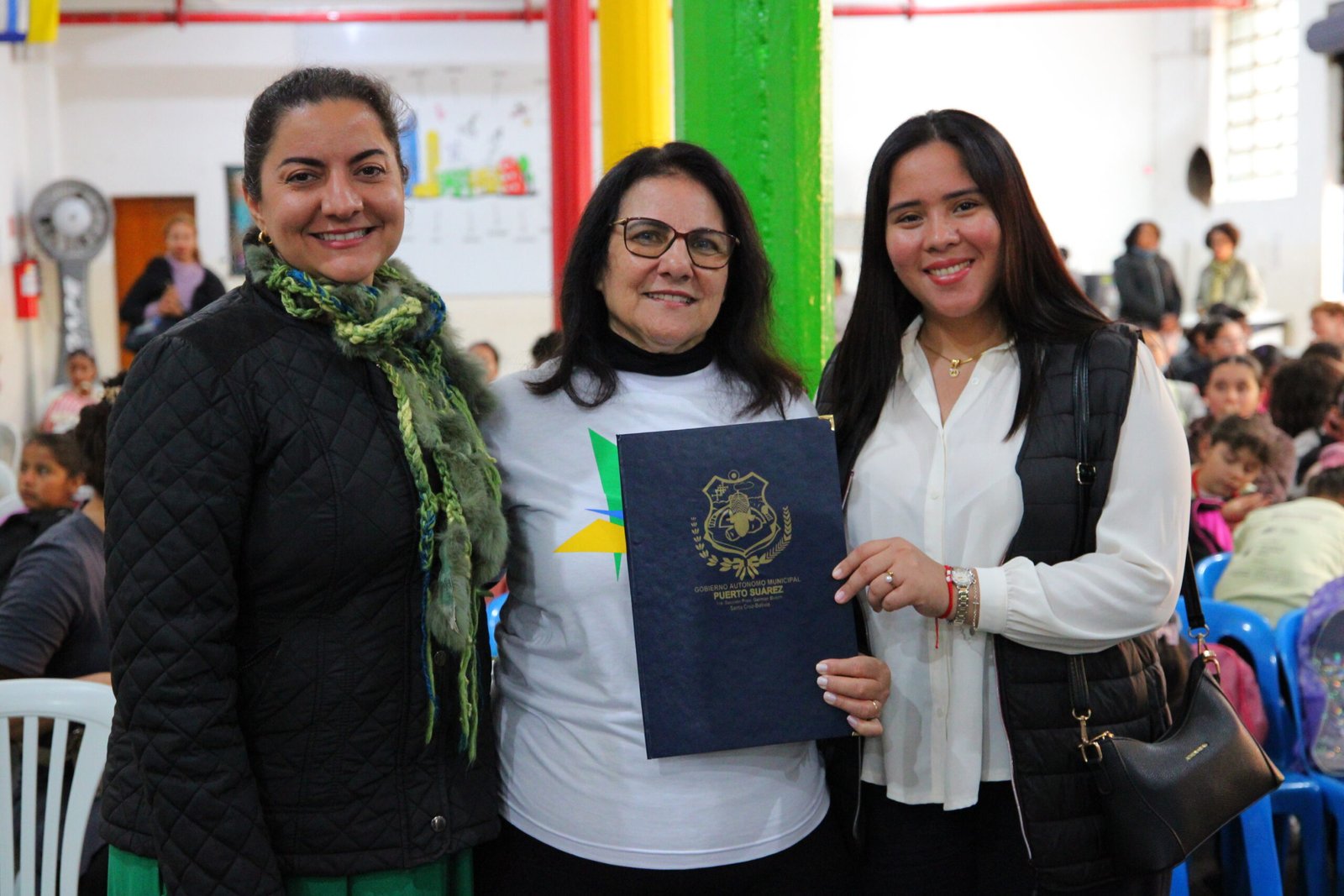
The project has already crossed the Brazilian border. In 2015, the cities of Ladário (MS) and Puerto Suárez, in Bolivia, drew inspiration from Moinho’s activities to develop their own public policies in the areas of culture and citizenship. And in 2017, the Institute opened a branch in Puerto Quijarro, on the border with Bolivia, today attended by 40 children. The project works by contributing to the reduction of violence in the country’s border area.
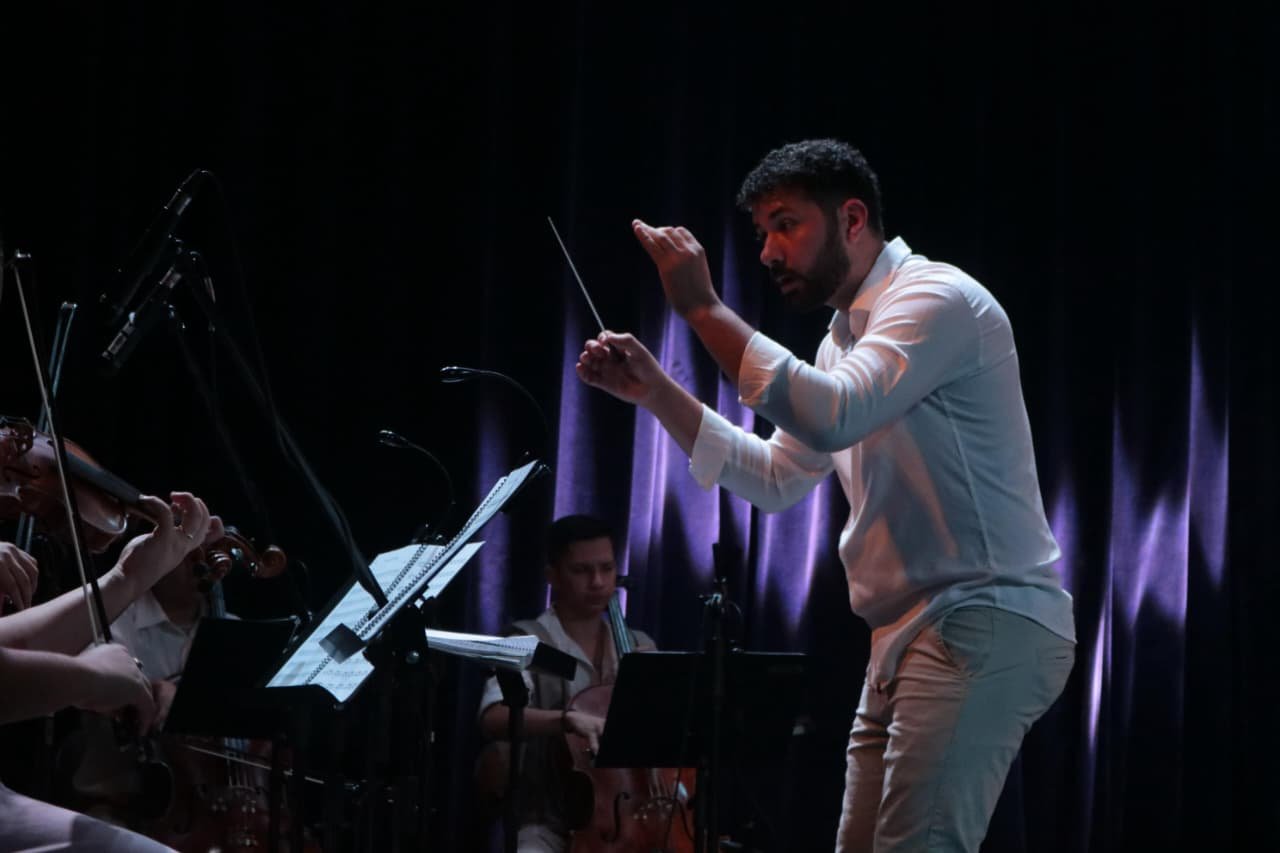
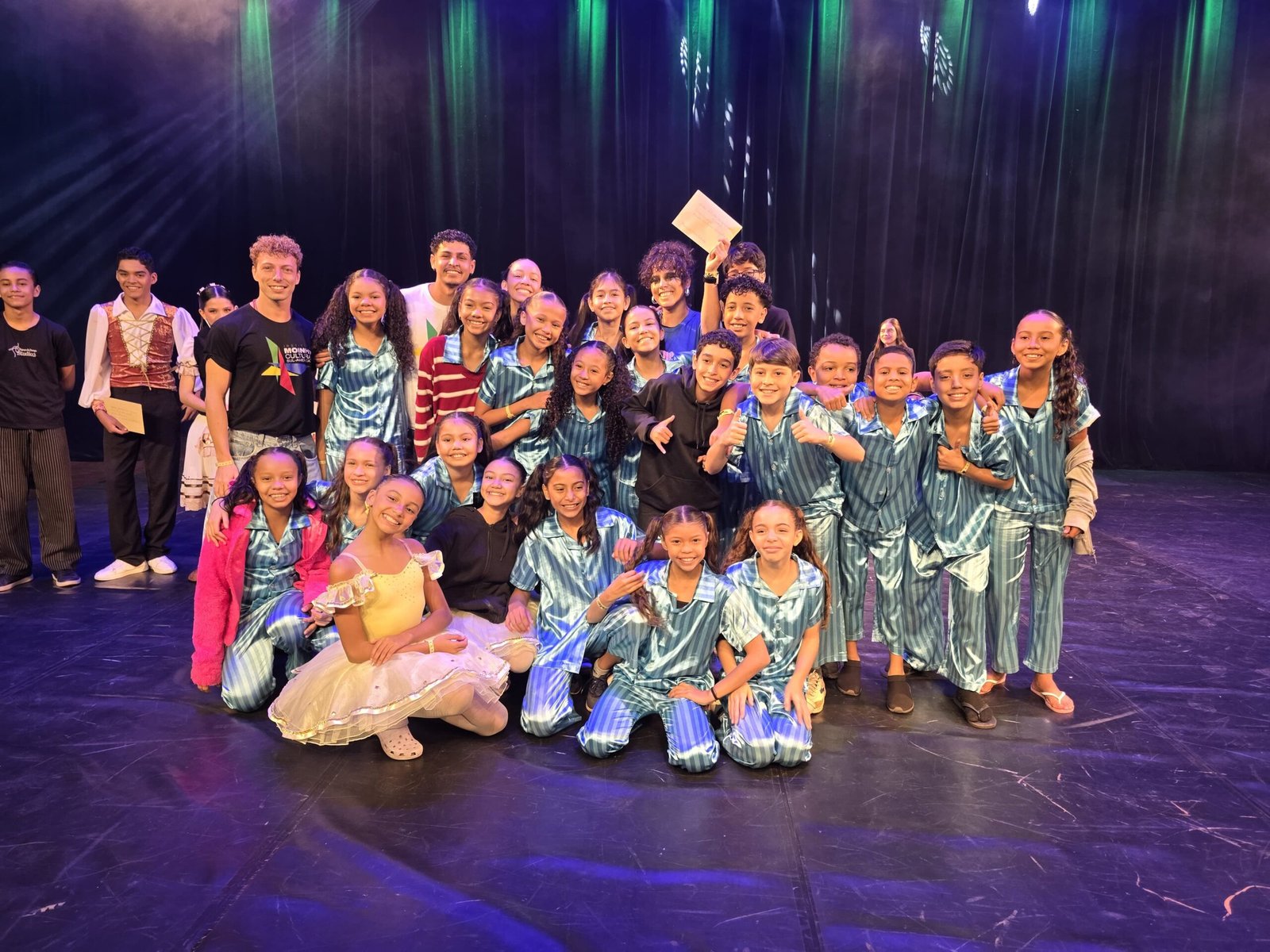
Every year-end, the parents’ dream of seeing their children on stage – a founding aspect of the institution itself – becomes reality. Moinho in Concert is the most anticipated show of the season. It is when children and adolescents from the region take on the roles of dancers, musicians and performers in themed presentations that change every year – from the poems of Manoel de Barros to a tribute to the Pantanal. The artists reach right into people’s homes: the show is also broadcast on TV, across the entire state of Mato Grosso do Sul.